


Iraqi Defector Admits To Lying About Saddam’s WMD Program
It turns out the Iraq War was indeed based, in part at least, on a lie.










Defense Budget Cuts
Stephanie Guttman, author of something called The Kinder, Gentler Military, takes to NRO to tell us how easy it is to cut the Defense budget. She inadvertently does just the opposite.


David Cameron: Gordon Brown Involved In Deal To Release Lockerbie Bomber
British Prime Minister David Cameron has made public documents which confirm his predecessors role in the release of the man convicted of bringing down Pan Am Flight 103.
Sarah Palin Puts Some Words Together About Egypt
Sarah Palin said something about the crisis in Egypt, but it’s not at all clear what she meant.


Did Obama Sell Out Our Closest Ally To Get New START?
A new Wikileaks revelation indicates that the U.S. may have paid a heavy price to get a deal on New START.


An Intelligence Failure In The Middle East?
Some in Washington are claiming the intelligence community missed the warning signs of unrest in Tunisia and Egypt in what looks like little more than an effort to create scapegoats if things go wrong.
Rand Paul Is Right: End Welfare To Israel, And The Rest Of The World
The debate over Senator Rand Paul’s proposed $500 billion spending cut plan has focused almost exclusively on one issue, and one nation.


Transatlantic Plane Wars
European subsidies have given Airbus a competitive advantage over America’s Boeing in commercial aircraft salesboein. The reverse is true on military aircraft.


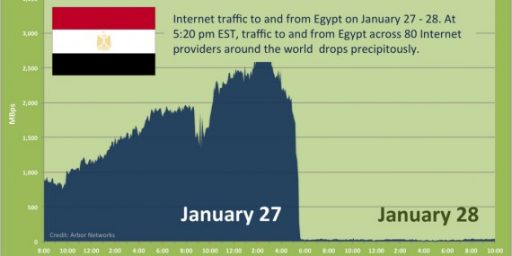
Egypt And The Internet Kill Switch
Egyptian President Hosni Mubarak responded to mass unrest by cutting off his people from the outside world. Do we really want an American President to have the same power?



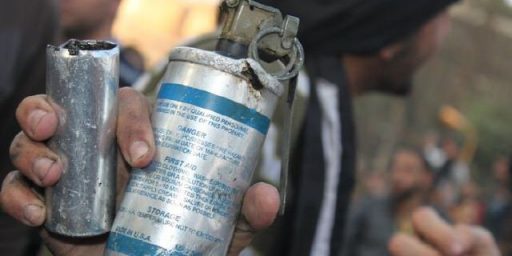
Egyptians Upset With U.S. Response To Crisis
The United States is facing a serious public relations problem among the Egyptian people.


Will The GOP’s Love For Endless War Trump Fiscal Conservatism?
The GOP is facing a battle between its fiscal conservatism and i’s military adventurism.







How Did Moscow Bomber Elude Airport Security?
Here’s how terrorists get past airport security: don’t bother to go through it.
Death Toll in Moscow Domodedovo Terrorist Attack Rises to 35
More on the attack at Moscow’s Domodedovo airport.
Thirty Years Later: How Iran Beat Us, More Than Once
Thirty years after the hostages were freed from captivity in Iran, the United States still hasn’t figured out how to deal with the Islamic Republic.









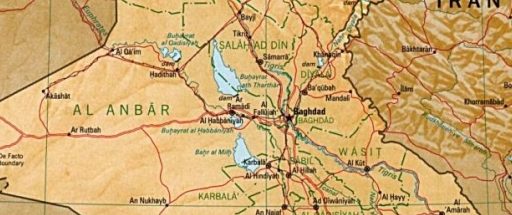
Stuxnet A U.S.-Israeli Joint Effort?
The Stuxnet virus that has set back the Iranian nuclear weapons program by several years at least appears to have originated as a joint project between the United States and Israel.


Did Wikileaks Help Bring Down A Corrupt Arab Leader?
Information made public by Wikileaks appears to have played a role in sparking the protest movement that has brought down the President of Tunisia.
Grover Norquist and Afghanistan
America’s foremost tax foe has weighed in on the Afghanistan War debate.


Political Vitriol and Political Violence
The relationships between inflammatory rhetoric and political violence is complicated.


American Political Violence Rare
While our politics are seldom violent, our violence is often politicized.


Gun Rights and Crazy People
We have laws preventing the sales of gun to crazy people. We’re not enforcing them very well.



Why America’s Best Officers Are Leaving
The American military personnel system works against keeping the best and brightest officers in the service.
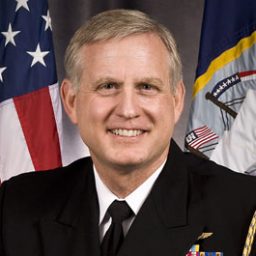
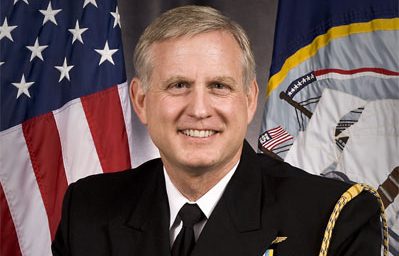
Dee Mewbourne to Captain Enterprise
Captain Dee Mewbourne, who previously commanded the EISENHOWER, will skipper the ENTERPRISE.
Anti-Christian Terrorism: Blame Bush!?
Andrew Sullivan makes a rather bizarre charge offhandedly: “Who among the neocons would have thought that one of George W. Bush’s final legacies would be bringing pogroms, bombings and genocide to Christians in his new zone of freedom?”