

The Truth About All Those Plans From Presidential Candidates
For the most part, all those plans the candidates release are barely worth the paper they’re written on.
9-9-9 and the Institutional Structure of the US Government
If you are taking 9-9-9 seriously, then you don’t understand the way the US government works. Herman Cain, I am looking at you.


Presidential Debates: Neither Debates Nor Presidential
Do we place too much importance on performance in presidential debates?

Iraq Withdrawal Debate
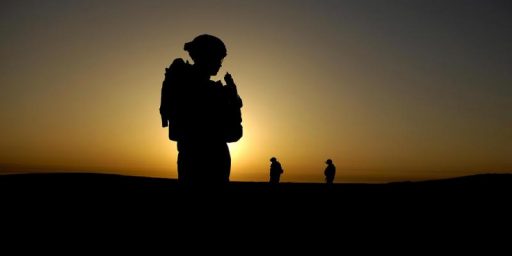
President Obama’s surprise announcement Friday that all U.S. forces would leave Iraq in time to be home for the holidays has been roundly condemned. While there are real concerns about what happens next, there was no better alternative.

Herman Cain and Jesus the Conservative
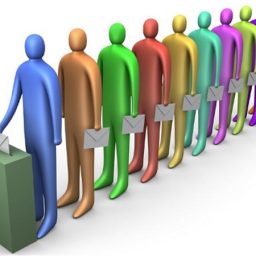
Cain (like a lot of people) is confused about what the words “conservative” and “liberal” mean.
Occupy Wall Street: What It Isn’t
There’s no consensus for European-style social democracy or a Randian libertarian paradise.
Occupy The World – OWS Goes Global
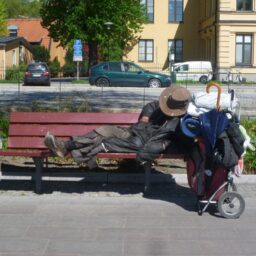
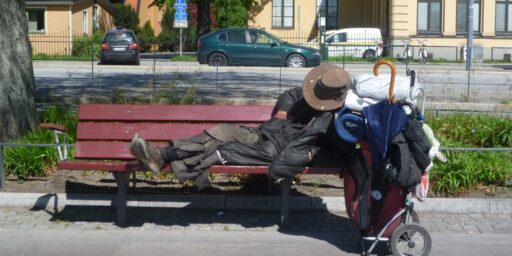
Protests at least loosely affiliated with the Occupy Wall Street movement were conducted around the globe yesterday.
Super Committee Super Deadlocked
Not surprisingly, the “Super Committee” to deal with the deficit isn’t making much progress.
Economic Crisis: What Could Government Have Done Better?
With the advantage of hindsight, it’s clear that more creative strategies were needed. But they probably couldn’t have been passed.
Romney’s Realist Foreign Policy
My latest for The Atlantic, “Romney’s Realist Foreign Policy Is a Lot Like Obama’s,” has been posted.
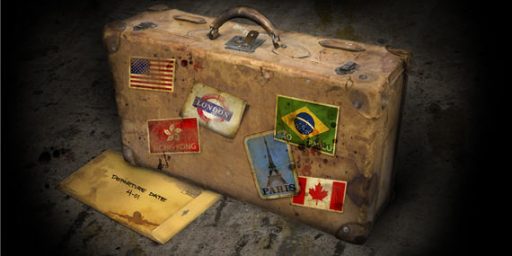
Mitt Romney’s National Security Team
Ahead of his big foreign policy speech, Mitt Romney has unveiled his “Foreign Policy and National Security Advisory Team” which “will assist Governor Romney as he presents his vision for restoring American leadership in the world and securing our enduring interests and ideals abroad.”


Elizabeth Warren’s Flawed Social Contract
Elizabeth Warren has a deeply flawed view of our social contract.
#OccupyWallStreet: A Protest, Or A Temper Tantrum?
The Occupy Wall Street protests look more like a temper tantrum than a substantive protest movement.
Are our Problems Based in Leadership or Institutions?
Where should we look to understand the failings of the government?
American Government for Sale?
Is money the only thing that matters in post-Citizens United American politics?
The Incoherent Agenda Of Occupy Wall Street
Judging them by their own manifesto, the Occupy Wall Street protesters are pretty silly people.
Occupy Wall Street Not Our Arab Awakening
A meme is emerging that the Occupy Wall Street protests are America’s version of the Arab Awakening. That meme must die.
Reagan Library Speech Fails To End Chris Christie Speculation
Last night’s speech at the Reagan Library did nothing to stop people from speculating about Chris Christie’s Presidential plans.
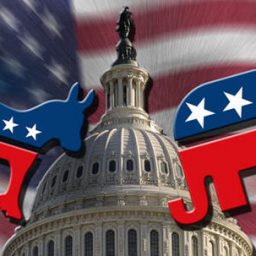
The Inevitable “Third Party” Debate Returns
Like clockwork, the arguments for creation of a third party are popping up again.
At U.N., Obama Says There Are No Shortcuts To Peace
President Obama explained his position on the Palestinian statehood resolution today, but one wonders if anyone listened.
Rick Perry’s Odd And Alarming Critique Of U.S. Mideast Policy
Rick Perry’s speech criticizing the President’s policies in the Middle East raised more questions than it answered.

What Explains The Rise In Public Distrust In Government Institutions?
Far from being an existential crisis, the recent rise in public distrust in government is easily explained.

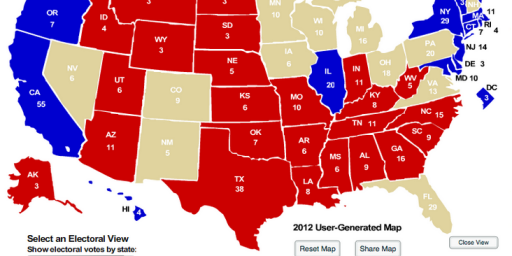
Three Arguments Contra the Electoral College
A book could be written on this subject, but let me suggest the following as a good place to start
Looking to the Design of the Electoral College
Of the institutions designed by the Framers, the electoral college is the one that deserves the least amount of defense if one’s defense is predicated on assumptions of the genius of said framers.

Pennsylvania’s Electoral College Reform Plan Is A Good Idea
Allocating Electoral Votes by Congressional District is an idea whose time has come.
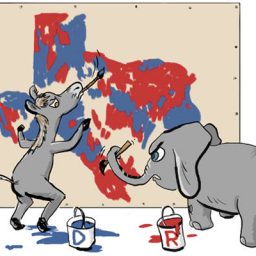

Pennsylvania Ponders Bold Democrat-Screwing Electoral Plan
Republicans have a plan to wrest half of the Keystone State’s electors from Obama.
Carbon Tax Bill to be Presented to Australian Parliament
Oz provides an excuse for some comparative politics.
Can A President Become Irrelevant?
No matter how weak he becomes, no President will ever be completely irrelevant to the political process.
A Simple (yet Salient) Observation on the Seventeenth Amendment
Many seem to forget that it was the states that had to ratify the 17th Amendment.


The “Responsibility To Protect” Doctrine After Libya
What does the apparent outcome of the war in Libya mean for the so-called “Responsibility To Protect” doctrine?
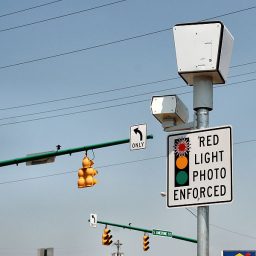
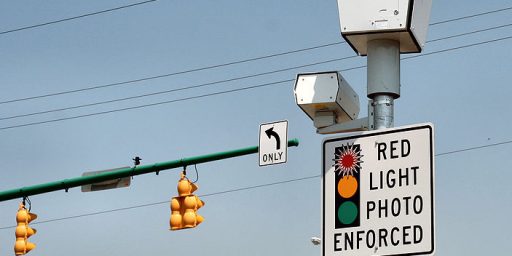
DC Speed Cameras: Municipal Extortion
WaPo humor columnist Gene Weingarten doesn’t think DC’s speed cameras are funny.
We Have a President, Not a King
Did Speaker Boehner insult President Obama by snubbing his speech request? If so, so what?
Design and Intent: Some Musing about the Constitution
We often conflate intentionality with design. However, even designers may not fully understand how what they have created will work.