Reid Triggers Nuclear Option Lite
Harry Reid is playing hardball, invoking a tactic that he himself decried being threatened when Republicans were in charge.
Harry Reid is playing hardball, invoking a tactic that he himself decried being threatened when Republicans were in charge.
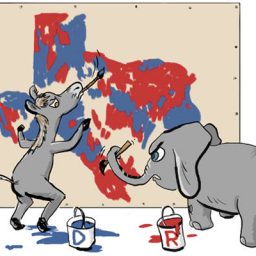

Republicans have a plan to wrest half of the Keystone State’s electors from Obama.


It never ceases to amaze me how many smart people manage to believe, against all evidence to the contrary, that their political philosophy has massive support.
Is America’s political system to blame for our current problems?
The “super committee” created by the debt ceiling deal is already the subject of criticism, most of it unwarranted.
Michael Cohen argues that our system is broken because Republicans will no longer compromise.
How the reelection incentive and parliamentary procedure are affecting the debt ceiling debate in Congress.
European leaders have put another Band Aid on the Greek sovereign debt crisis while America’s leaders are trying to stave off a self-inflicted financial default.

It was a largely fruitless weekend in the debt negotiations.
A few liberal law professors say Justice Ruth Bader Ginsburg should resign now so President Obama can pick her successor.
44 Republican Senators have already pledged to filibuster John Bryson’s nomination as Commerce secretary.
As Congress left town for the long weekend, the Senate Minority Leader threw a grenade into the budget negotiations.
An attempt at explaining where I am coming from on in the health care discussion.

One of the Tea Party movement’s favorite Senators used the dreaded c-word.
The next week promises to be a battle between John Boehner and the Tea Party over whether or not compromise is a good idea.
The funny thing is that the quorum-busting in WI is more like a filibuster ought to be: a true delaying tactic that eventually has to give way to a democratic outcome.


The Democrats appear ready to come home (or, as per the update, maybe not).


Republicans won the right to govern Wisconsin. What does that mean for Democrats?
Once again, it looks like efforts to reform the Senate’s filibuster rules have fallen victim to that old devil politics.
The filibuster reform package that Senate Democrats unveiled yesterday has much to recommend to it. Unfortunately, it’s probably doomed.


President Obama and Chief Justice Roberts are calling for bipartisanship in the New Year.
The abuse of the filibuster is just a symptom of a much wider problem.
For the first time in 35 years, the Senate may finally be on the verge of reforming the filibuster.
Bernie Sanders took to the floor of the Senate yesterday to rail against President Obama’s tax cut deal. It was history in the making, but it’s not clear that it actually accomplished anything.
Several smart center-left commentators argue that President Obama is not triangulating. At least one argues there’s no such thing.
The pending compromise between the two parties on taxes and other policies underscores the fact that enhanced minority power (in this case, the filibuster power) helps contribute to fiscal irresponsibility.

Would returning to indirect election of Senators really have a significant impact on the growth of the Federal Government? Probably not.

They aren’t going to stop, but the cliches that pass for debate sure are tiresome (plus some musings about the tax cut extension debate).
Oregon Senator Jeff Merkley wants to fix the filibuster by making Senators actually filibuster. It’s a good idea.
The Pentagon has spoken. Repealing Don’t Ask, Don’t Tell would not cause any real harm to the military, they have said. Now, the ball is in the court of the United States Senate.