Republicans Clash In Mostly Lackluster Debate
Last night’s debate may have been the last one. It was also the least informative.
Last night’s debate may have been the last one. It was also the least informative.


Prices are rising at the pump, and the candidates for President are starting to notice.


As they did four years, ago the New York Giants will get a parade in New York City today. Some are wondering when Iraq War vets will get theirs.
We need to have opinions on a subject as serious as war with Iran.

The January jobs report was the best we’ve seen in more than three years.


Mitt Romney’s view of the ideal relationship between the United States and Israel is, at the very least. quite odd, and, potentially, dangerous.
The truth about a Second Obama Term is that it likely wouldn’t be all that remarkable.
Higher gas prices in the spring could have an impact on the economy, and the election.
Last night, Ron Paul decided it was a good idea to bring back the ghosts of the Vietnam War era.


Philip Hammond addressed the Atlantic Council this morning in advance of a meeting with Leon Panetta.
Rick Santorum’s foreign policy positions are troubling in many respects.
To Republicans, even thinking about engaging in diplomacy is enough to accuse the President of appeasement.
Bernard Finel argues that those of us arguing against war in Iran are doing it wrong. He’s right.
Not surprisingly, most of the Republican candidates for President aren’t too keen on reducing the excessive growth in Executive Branch power.
Understanding the state of the GOP field requires recognizing that President Obama is actually pretty moderate.

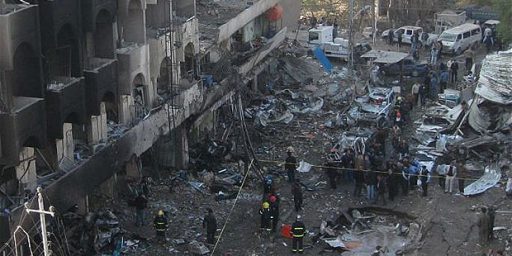
For years, analysts have worried that Iraq’s tenuous hold on stability would collapse upon the withdrawal of US forces. We’re now watching it happen.
Ron Paul is rising in Iowa, which means he will soon face the scrutiny he’s avoided so far.
The final candidate clash of 2011 didn’t lead to the sparring that some expected.
Time Magazine has chosen “The Protester” as its Person Of The Year. Let the outrage ensue.
Yesterday’s encounter between Jon Huntsman and Newt Gingrich was less than it could have been.
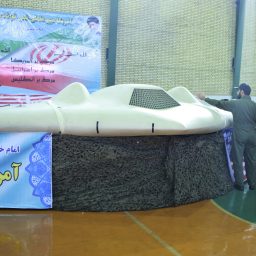
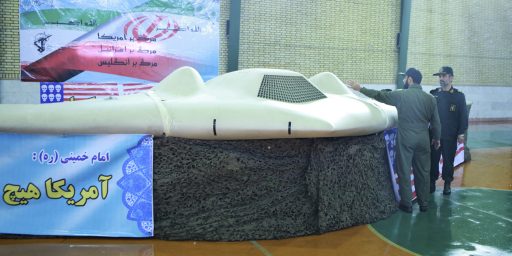
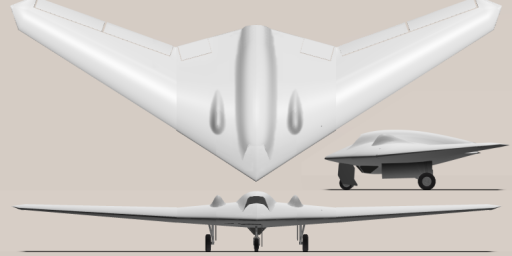
While unfortunate, the loss of an RQ-170 drone over Iran may not be the intelligence disaster some make it out to be.
There aren’t many glad tidings at the White House these days.
Newt Gingrich’s foreign policy vision leaves much to be desired.
I liveblogged and tweeted my instant, mostly snarky, reaction to the CNN foreign policy debate. Here are some more fully formed thoughts.
I’ll be liveblogging tonight’s Republican national security debate over at RealClearWorld along with a solid team of foreign policy analyst
The most disturbing part of Saturday’s debate came when most of the GOP candidates endorsed torture.
Huntsman will gain little if any traction and none of the frontrunners really helped or hurt themselves.