Jon Huntsman: Moderate Who’s Really Conservative?
That a popular two-term governor of Utah is being rejected by likely Republican primary voters as insufficiently conservative shows just how extreme American politics has gotten.
That a popular two-term governor of Utah is being rejected by likely Republican primary voters as insufficiently conservative shows just how extreme American politics has gotten.
Either a bunch of bloggers or one of the world’s smartest economists doesn’t understand economics.


Presidents are not a powerful as they seem (and a return to the “are things broken?” theme).
A political science-y response to the question of whether the system is broken.
We are being warned once again that the Postal Service is on the verge of financial collapse. There really is only one solution.
The “super committee” created by the debt ceiling deal is already the subject of criticism, most of it unwarranted.


House Republicans are being criticized for utilizing a tactic they learned from Senate Democrats.


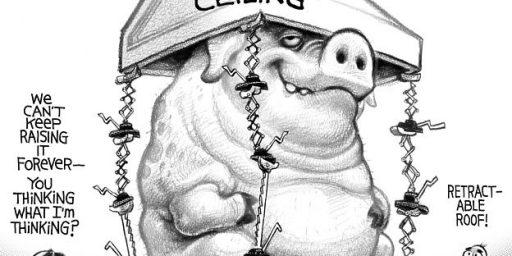
Has a precedent been set for future requests by the President to increase the debt ceiling?
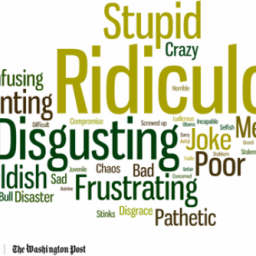

The reviews are in on the debt negotiations, and the public isn’t happy.


First it was same-sex marriage, now it’s a abortion. Rick Perry hasn’t met a Constitutional Amendment usurping state power he doesn’t like.
Michael Cohen argues that our system is broken because Republicans will no longer compromise.


You thought you’d seen the worst of Congress in July? Oh, you silly American you.
Now that America’s political leadership have probably averted a self-inflicted global economic calamity, it’s time to assess the winners and losers.
We have a deal in Washington. Now, the leadership just has to make sure it can pass Congress.


Much like bills named for dead children, there’s a very high likelihood that any bill with “protecting children” and/or “pornographers” in the title is a) a very bad idea, b) a very stupid idea, c) of dubious Constitutionality, or, as here, d) all of the above.
The Senate killed the Boehner Plan but the debt ceiling crisis is still unresolved and the way out is murky.
It’s another Friday of drama in the debt ceiling crisis.


The constitutional purists in the Tea Party apparently do not understand either bicameralism nor separation of powers.


The failure of House Republicans to pass a bill that would have been dead on arrival in the Senate, anyway, raises questions about whether a deal is possible and whether John Boehner can lead his own coalition.
I no longer have any confidence that our leaders will act responsibly before the August 2nd debt ceiling deadline.
Yes, the President is a key actor in the debt ceiling debate. However, the actual decision is a congressional one.
John Boehner and Harry Reid introduced their debt plans. Now, where do we go from here?
The debt talks in Congress are moribund now, and both sides are working on their own versions of a plan, again.
The two Minnesotans in the Presidential race are starting to trade barbs.
It won’t go anywhere this year, but after 15 years someone is finally trying to repeal a bad law.
Freshman GOP Representative Allen West is a loose cannon and unfit for office.
The Gang of Six is back together. And they have a plan.