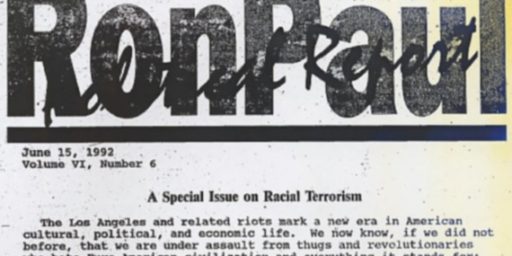
Ron Paul: Yea I Wrote The Newsletters, But Not Those Icky Parts
Ron Paul has a new explanation for those newsletters of his.
Whitewashing Evil
The capacity of some people to look the other way in the face of evil is astounding.
Citizens United And The Foolish Attack On Corporate Personhood
A new set of proposed Constitutional Amendments reveals that many people still don’t understand what Citizens United was about.




Does The Post Office Have A Future?
The Postal Service announced another round of service cutbacks today that are likely to just make the rapidity of its decline increase




Associated Press Reporters Reprimanded For Using Twitter To Send Out Breaking News
The Associated Press is trying to fight Twitter rather than engage it.


Media Coverage for Minor Candidates
CBS accidentally admits that they are giving less attention to some of the Republican contenders.
Joe Paterno Out in Wake of Child Rape Coverup
Penn State is cleaning house, including the legendary Joe Paterno.


Don’t Judge The Libyan People For Killing Gaddafi
Should we be outraged over the manner in which Muammar Gaddafi died? I’m not losing any sleep over it.
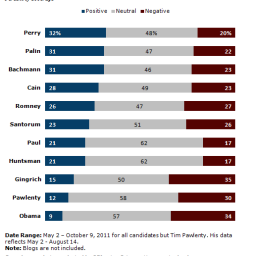
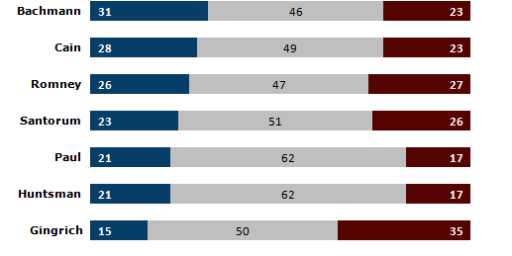
Media Coverage of the Candidates
Rick Perry has gotten the most and best coverage thus far in the campaign. President Obama has gotten mostly negative coverage.
Can Occupy Wall Street Win?
The Occupy Wall Street movement faces obstacles its Tea Party counterpart didn’t.


Christie Now Allegedly “Seriously Considering” Presidential Race
And, the week closes out with another round of rumors about New Jersey’s Governor.
Chicago Tribune Editorial Board Member Calls On Obama To Forgo A Second Term
Yes, Barack Obama is running for a second term.
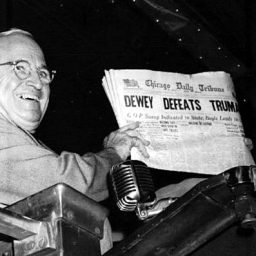
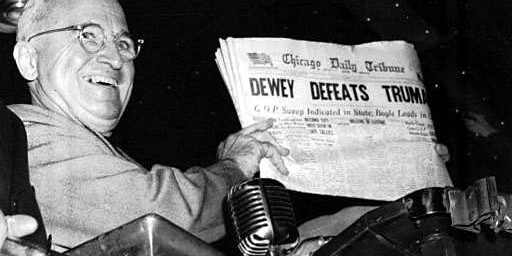
December 7, 1951 v. September 11, 2011
Not every 10th anniversary of a horrible surprise attack has been treated the same.


World Reacts To U.S. Debt Downgrade
Like the rest of us, financial analysts across the globe are trying to figure out what the U.S. debt downgrade means.
Oslo Bomb Blast and Shooting Spree: Al Qaeda Suspected (Updated)
A bomb blast in Oslo’s government center has killed at least two people and a presumably related shooting spree at a nearby children’s camp are being investigated as terrorist related.


New York Times Time-Lapse Video
A video of the New York Times website from September 2010 to July 2011.
News as a Public Good
Real news reporting has never paid for itself. But the days of it being subsidized by the local car dealer are rapidly ending.
Christians More Militant Than Muslims!
Trevor Phillips, chairman of the UK’s Equality and Human Rights Commission, says fundamentalist Christians are a far bigger problem than Muslims. And, no, he’s not anti-religion.



Bloggers Not Protected By Journalist Shield Law, New Jersey Court Rules
In a decision released yesterday. the New Jersey Supreme Court clarified the journalist/blogger distinction somewhat.

Red Bull’s Billionaire Maniac
Business Week has a fascinating profile of Dietrich Mateschitz, whom they dub “Red Bull’s Billionaire Maniac.”





Navy Chaplains May Perform Gay Marriages
The Navy is considering allowing its chaplains to perform same-sex marriages once “Dont ask, Don’t tell” ends.
Google Loses Belgian Copyright Case
Local newspapers in Belgium inexplicably don’t want to be linked by Google and are using copyright law rather than a robots.txt file to enforce their wishes.
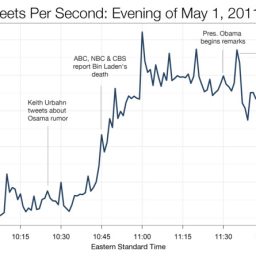
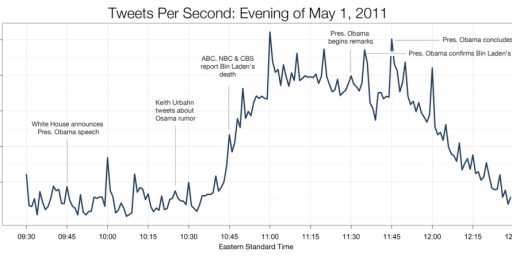
Twitter As Breaking News Source
Sunday’s announcement of the death of Osama bin Laden was the latest example of how Twitter has become the go-to source for “Breaking News.”

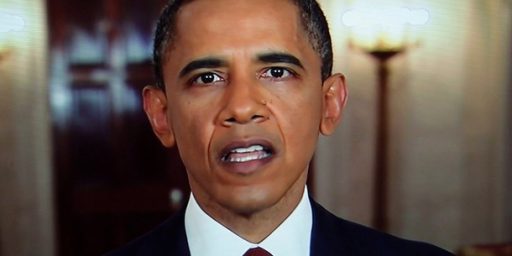
Obama Osama Speech Photos Faked (As Usual)
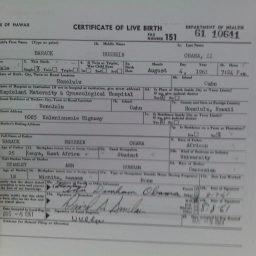
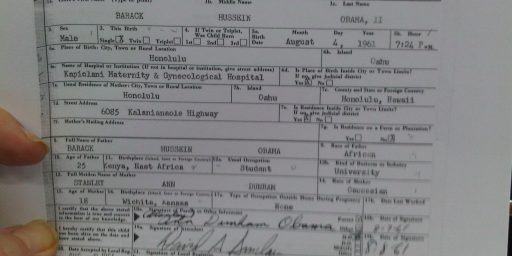
The photographs of President Obama that appeared in the papers after the Osama announcement were staged.




The Radicalness of Alleged Conservatives
In all honesty, much of what is coming out of the mouths of self-described conservatives is actually pretty darn radical.


Donald Trump: Crazy, Cynical, Or Both?
Donald Trump, who may or may not be running for President, is continuing his strange obsession with the birther myth, and reminding Republicans that two years of silence in the face of lunacy may come back to bite them.


Information Overload Not New
While complaints that there’s too much information for intellectuals to sort through, much less read, are constant, they’re not new. Harvard historian Ann Blair argues in her new book Too Much to Know: Managing Scholarly Information Before the Modern Age that this stress goes back at least to Seneca’s time.
New Media Sucks; So Did Old Media
While there are doubtless flaws with the journalistic values and culture of the New Media, we too often contrast today with a Golden Age of Media that never existed.
Shirley Sherrod Sues Andrew Breitbart
Shirley Sherrod’s lawsuit against Andrew Brietbart promises to be an interesting test of the boundaries of defamation law in the political blogosphere.