
President Obama’s Address to Parliament
While President Obama has had some amusing gaffes on his trip to London, including getting the year wrong in the guest book and an awkward toast to the Queen, his speech to Parliament today hit all the right notes.


Musing About the Near Future of U. S. Security Policy
I’ve begun to wonder about the future of U. S. security policy. This isn’t a serious analytical post; it’s just what I call “musing”—committing disorganized thoughts to writing.
Pakistan Tries, And Largely Fails, To Explain Itself
Pakistan is trying to explain how the world’s most wanted man was able to hide in plain sight for six years, and failing badly.
The Intervener’s Dilemma
There are many opportunities to go to war. Here’s a guide for choosing between them.


Warren Christopher Dead at 85
Warren Christopher, Bill Clinton’s first Secretary of State, has died at 85.


Auburn Trees Killed by Crazed Alabama Fan
The Toomer’s Corner trees were poisoned by a rabid Alabama fan.
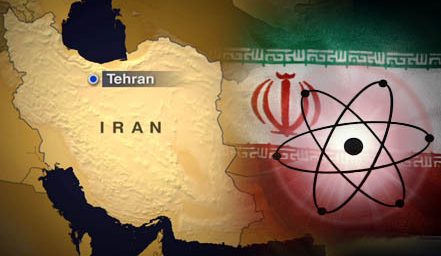
Stuxnet A U.S.-Israeli Joint Effort?
The Stuxnet virus that has set back the Iranian nuclear weapons program by several years at least appears to have originated as a joint project between the United States and Israel.


Gun Control and the Tuscon Shooting
Should we limit the number of rounds guns can hold in order to minimize shooting sprees?
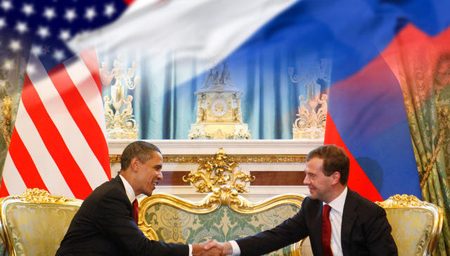
Duma Gives Initial Approval to New START
Now that the US has ratified New Start, it’s Russia’s turn.
Sarah Palin On Iran: Speak Loudly And That’s About It
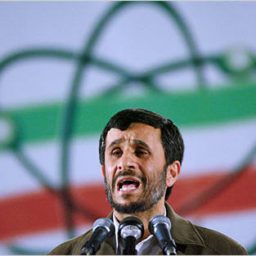
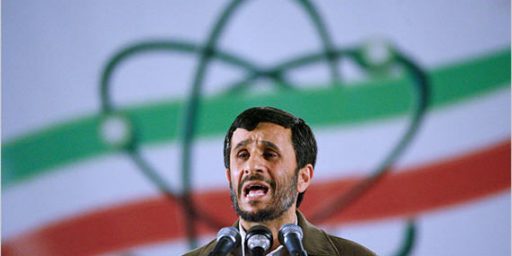
Sarah Palin waded into the foreign policy pool today with a piece about Iran, and it was about as empty as most of the other ideas on Iran that we’ve heard over the last six years or so from everyone else.
Afghanistan Still America’s Forgotten War
Unless you paid close attention, you probably missed most of the coverage of the war in Afghanistan in 2010.


Lame-Duck Congresses: Bug, Or Feature?
The 20th Amendment was supposed to eliminate lame duck sessions, but it didn’t.
Veteran Diplomat Richard Holbrooke Dies At 69
One of the most active American diplomats of the past twenty-five years has passed away.
New Wikileaks Cables Show Deep U.S. Concern Over Pakistan
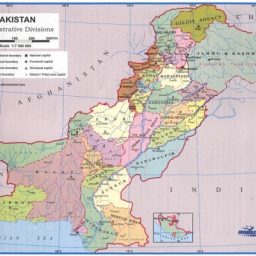
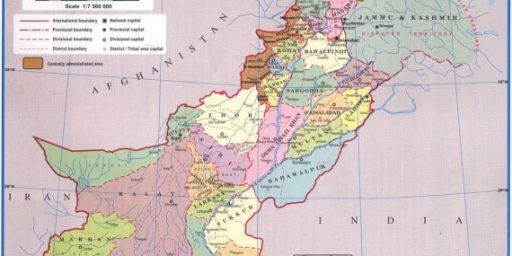
The latest wrong of documents from Wikileaks show that American diplomats are as worried about Pakistan as the rest of us, and not quite sure how to deal with the situation.
Someone Is Trying To Sabotage The Iranian Nuclear Program
A crippling, and technologically advanced, computer virus and attacks against Iranian nuclear scientists lead to only one conclusion; someone is doing everything they can short of military action to make sure Iran doesn’t develop nuclear weapons.
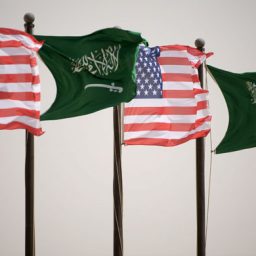

Removing the Fig Leaf from the Sunni Regimes
The diplomatic ramifications of the latest Wikileaks leaks are just starting to emerge and may place some countries in very embarrassing positions.
Wikileaks Releases Diplomatic Cables, Revealing International Secrets
A new round of Wikileaks documents is out, and it opens the door on diplomatic correspondence previously hidden from the public.
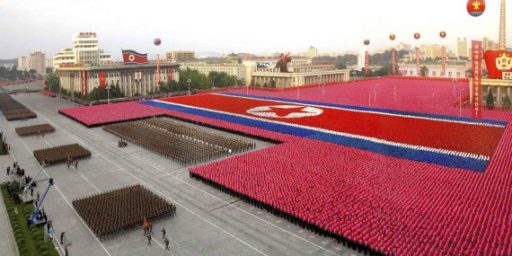
Potential Responses to North Korean Provocations
What sort of response is required to Pyongyang’s ratcheting up of tensions on the Korean Peninsula?
New Plant Raises New North Korean Nuclear Concerns
North Korea has unveiled to the world a new nuclear processing facility that puts back on the table the question of just what we should, or can, do about the fact that a rogue state possesses nuclear weapons and wants to build more.


NATO-Russia Missile Defense Cooperation
NATO-Russia cooperation on missile defense is a welcome step forward.


Republicans Against The Military
Conservative Republicans who are typically deferential to the military are ignoring the advice of the military leadership on the new START Treaty.
Ted Sorenson, Kennedy Adviser And Speechwriter, Dead At 82
Theodore Sorensen, a speechwriter and close adviser to President John F. Kennedy, died today at the age of 82


NATO in an Age of Austerity
World Politics Review has published a special issue on “NATO’s Identity Crisis” ahead of next month’s Lisbon summit and the unveiling of a new Strategic Concept. I contributed the lead essay, “NATO in an Age of Austerity.”


Russia and Venezuela Sign Energy Deal
Venezuela have reached a series of agreement on energy. Should the US be concerned?


Mahmoud Ahmadinejad: 9/11 Truther
If it’s September, it must be time for Mahmoud Ahmadinjad to stand up before the United Nations General Assembly and say something completely insane.

Woodward Book Reveals There Is No Plan In Afghanistan
According to a new book from Bob Woorward, American policy in Afghanistan is the result of a decision making process that can only be described as chaotic at best.

Giving Bin Laden What He Wants?
Ted Koppel thinks our actions since 9/11 have helped Osama bin Laden fulfill his goals. He couldn’t be more wrong.



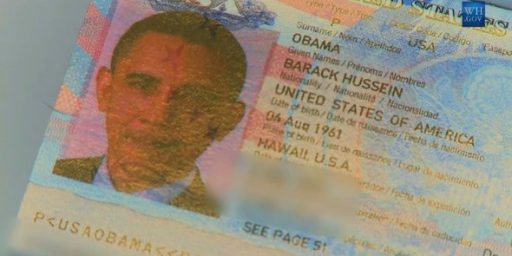
Obama’s Citizenship and the Chain of Command
Civilian control of the military means, oddly, that civilians control the military. And it means precisely that the military does not get to decide which civilians run the country.
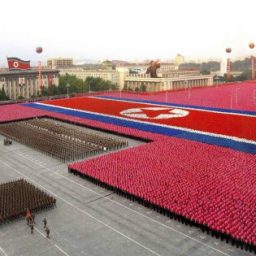

More Odd Developments In North Korea
More odd developments inside the modern day version of the Hermit Kingdom

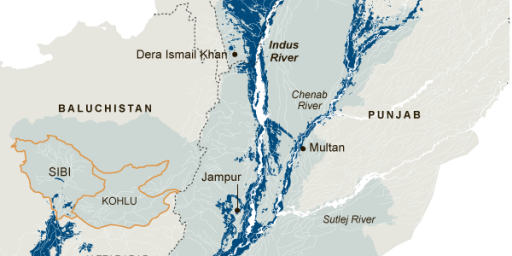
Pakistan’s Floods
The United States has promised $150 million in aid to flood-ravaged Pakistan. Should we have?


Report: U.S. Convinces Israel To Back Down On Iran, Or Maybe Not
The New York Times is reporting that the Obama Administration has convinced Israel that Iran is much further away from developing nuclear weapons than Tel Aviv fears, but there seems to be something else going on here.


What Happens If (When) Israel Bombs Iran
Every new report out of Iran seems to bring us closer to the moment when Israel has decided it’s heard enough. What happens if that day actually happens ?
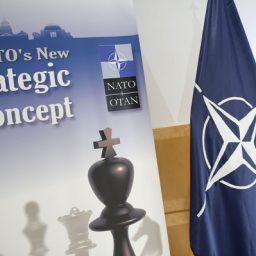

NATO’s Cyber Threat
NATO should resist preemptively declaring cyber attacks “an attack on all” members under Article 5.

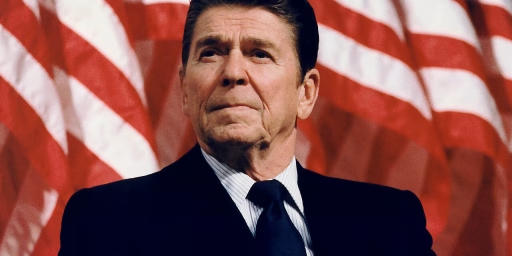
Speaking of Reagan…
If people feel the need to evoke Reagan, it would be nice if they would evoke the real one, rather than an alt reality version.
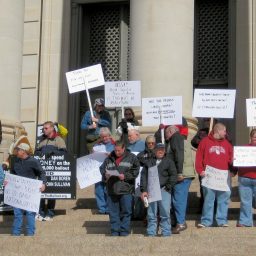
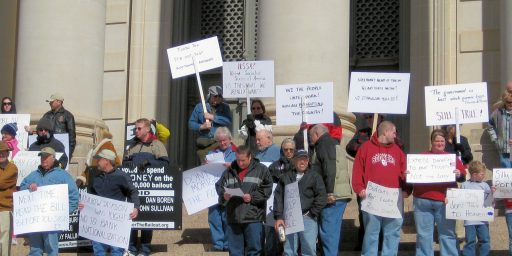
Lindsey Graham: Tea Party Movement Is Unsustainable
South Carolina’s Lindsey Graham sees the beginning of the end of the Tea Parties, and he’s probably right.