Supreme Court Appointments And Lame Duck Presidents: Yes, Both Sides Do It
The politicization of Supreme Court appointments didn’t start with Republicans last night.
No, Jim Webb Probably Would Not Be A Viable Independent Candidate For President
Jim Webb’s recent criticism of Hillary Clinton is renewing speculation about an independent bid for the White House, but he hardly seems like a viable candidate for such a run.

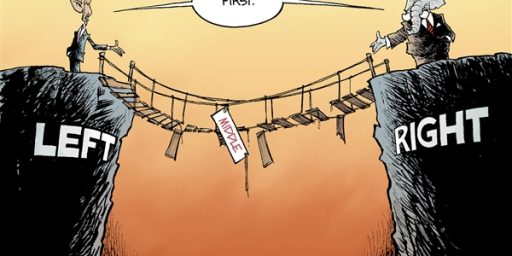
The Quixotic Quest for the Radical Center
Americans don’t trust their government or each other. There’s no reason to hope it’ll get better.


Washington Post Pulls Political Cartoon Depicting Ted Cruz’s Daughters As Monkeys
A political cartoonist for The Washington Post crossed a line and, rightfully, got condemned for it.
Mississippi Still Trying To Rid Itself Of Confederate Flag, Enter 21st Cenutry
Five months after Charleston, Mississippi is still struggling to rid itself of symbols of the Confederacy.
ISIS is Winning
The United States and Europe are giving everything the perpetrators of the Paris attacks hoped for.


House Passes Bill To Limit Syrian Refugee Program, But Its Fate Remains Uncertain
With little actual debate and despite Paul Ryan’s promise of a return to ‘regular order,’ the House has passed a hastily drafted bill in response to the largely fear-based response to Syrian refugees in the wake of the Paris attacks.

The Battle Of The 2016 Narratives
To a large degree, the narrative you believe will govern the 2016 elections depend on which party you want to see win. But what’s the most likely outcome?
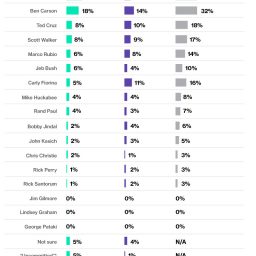
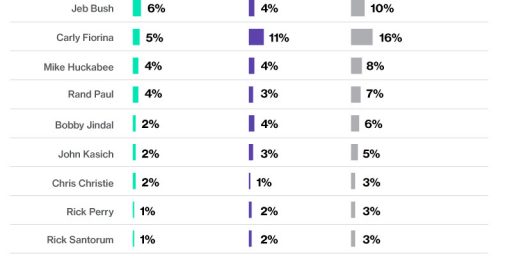
Trump and Carson Lead Early Iowa Polling
Two candidates with no experience in elected office are leading the Republican field.


Majority Of Americans Oppose Iran Nuclear Deal, But It Will Likely Go Into Effect Anyway
Another poll shows that a majority of Americans oppose the Iranian nuclear deal, but the effort to defeat it in Congress is still likely to fail.
Walker, Jindal, And Graham Endorse Donald Trump’s Plan To End Birthright Citizenship
It will never actually happen, of course, but some of Donald Trump’s fellow candidates for President have been eager to endorse his idea to abolish birthright citizenship.
Driven Largely By Republicans, Public Opinion On The Supreme Court Hits A Low
Public opinion on the Supreme Court has declined significantly, largely because Republicans don’t like the Supreme Court very much right now.

Lindsey Graham: Joe Biden as Good a Man as God Ever Created
In an era of incredibly polarized politics and 24/7/365 campaign mode, it’s refreshing to see politicians treat each other as human beings now and again.

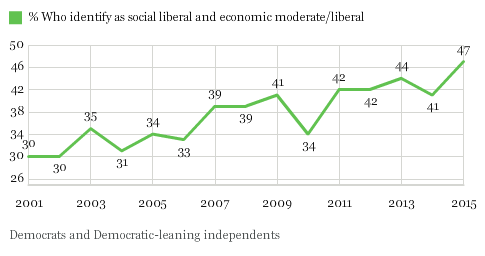
The Return of the Liberals
More Democrats are calling themselves “liberal” than they have in years. Republicans, too.
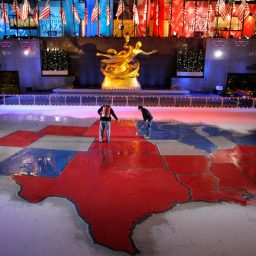
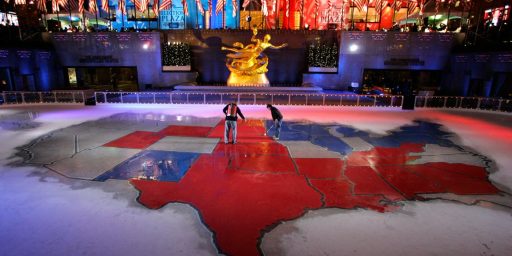
Is 2016 a 50-50 Proposition?
Pundits and political scientists agree that, if the 2016 presidential election were today, we’d have a much better idea who would win.
Harry Reid Doesn’t Regret Spreading False Charges About Mitt Romney’s Taxes
Harry Reid made outlandish claims about Mitt Romney during the 2012 election. He probably knew they were lies when he made them. And he doesn’t care.
Despite The Email Story, Hillary Clinton Remains At The Top For 2016
Two weeks after the email story broke, there’s no sign that Hillary Clinton is losing ground in the 2016 race.
Why Congress is AWOL on National Security Policy
Has the legislative branch abdicated its responsibility in US foreign policy?


Despite Last Minute Drama, House Narrowly Passes Bill To Fund Most Of The Government
Despite opposition from both Republicans and Democrats, the compromise budget resolution passed narrowly last night, but not without some last minute drama
How Obama Learned to Stop Worrying and Love the Imperial Presidency
A critic of the imperial presidency becomes an imperial president.
Obama’s Executive Action, The Law, And The Constitution
On a preliminary examination, the President’s executive action on immigration appears to be within the boundaries of applicable law. However, as with other exercises of Executive Branch authority, it raises some important concerns about the precedent that it sets.
It Just Keeps Getting Weirder In Mississippi
The votes have been counted, the result is clear, but the battle between Senator Thad Cochran and Chris McDaniel continues to get stranger by the day.
Americans Have Almost Totally Lost Faith In Government
Public faith in government institutions is at all all time low.

Mitch McConnell: GOP Will Act To Limit Abortion If We Win The Senate
Mitch McConnell is making promises to pro-life groups that the GOP probably won’t keep, but it’s still a politically risky move.
All Politics Is National?
Congressional elections have become “nationalized” to a far greater extent than they have ever been.
Is Scott Walker Too White To Get Elected?
TNR makes the worst possible case for a proposition that’s almost certainly right.
The End of History, Continued
Twenty-five years after his seminal “End of History” article, Francis Fukuyama reflects on its legacy.


American Politics Is More Polarized Than Ever
The left-right divide is worse than it has been in decades, and we’re paying the price.

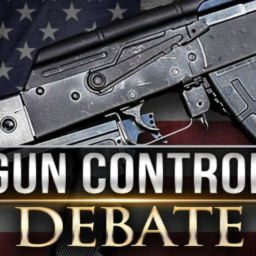

Is Compromise Possible In The Gun Debate?
The tragedy in Santa Barbara will. inevitably, revive the same old gun debate. But can it ever evolve beyond shouting?
Republicans Haven’t Reformed But May Win Anyway
Republican leaders continue to say stupid things. They may still retake the Senate in November.

Obama Following Bush Path to Second Term Collapse?
Ron Fournier sees major similarities but ignores key differences.
More on the Political Center and Capitol Hill
There is far less overlap between the two parties in the House–and the shift has been empirically rightward.
The Political Center Is Dead, At Least On Capitol Hill
It’s no wonder there’s no compromise in Congress.
Sane Republican Minority Prevails
Nearly two-thirds of House Republicans voted for default. They lost.
Crafting a Budget Grand Compromise
As long as we’re tacking on unrelated measures in order to secure a deal to end the government shutdown-debt ceiling standoff, why not some related measures?

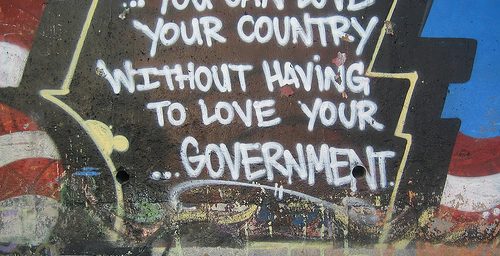
Good Government Reforms Gave Us Bad Government
Recent anti-corruption measures have contributed to making American government worse.
Obama As Polarizing As Bush
The political polarization we saw during the Bush Presidency has continued throughout the Obama Presidency.
Who’s In Charge Of The FISA Court? John Roberts, And Apparently Just John Roberts
Chief Justice Roberts is the only person who gets to say who sits on the FISA Court.