
Activity and Inactivity and the Individual Mandate
It seems to me that inactivity can have just as profound affects as activity and likewise that it is rather difficult to argue that health care isn’t part of interstate commerce.
It seems to me that inactivity can have just as profound affects as activity and likewise that it is rather difficult to argue that health care isn’t part of interstate commerce.
In a new interview, Justice Antonin Scalia says that the 14th Amendment does not bar discrimination against women, whether it’s done by public or private entities. He couldn’t be more wrong.


The 20th Amendment was supposed to eliminate lame duck sessions, but it didn’t.


The new health care law’s individual mandate was the subject of another bruising court battle yesterday, but the real question in the room was what, if any, are the limits on Congressional authority?


Despite yesterday’s victory for opponents of the Affordable Care Act, the prospects in the Supreme Court are not good.


The weekend arrest of a Columbia University Professor for an apparently consensual act raises some interesting questions about why precisely a specific act should be subject to criminal prosecution.
Unless there’s an emergency, is it proper for representatives who have been defeated in a mid-term election to be voting on controversial legislation?
While not inherently unconstitutional, lame duck Congresses have the potential for violating the spirit of the Constitution and create the potential for mischief on the part of Representatives who have been thrown out of office.
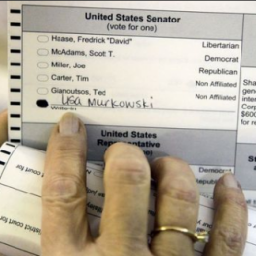
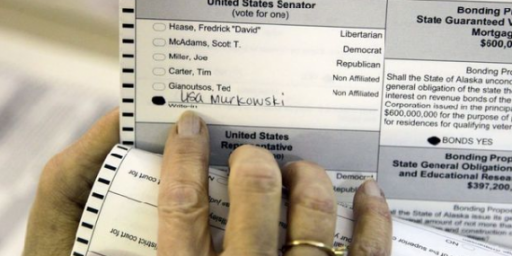
As the counting of write-in ballots in Alaska continues to go in Lisa Murkowski’s favor, the Miller campaign is getting more desperate in its ballot challenges.

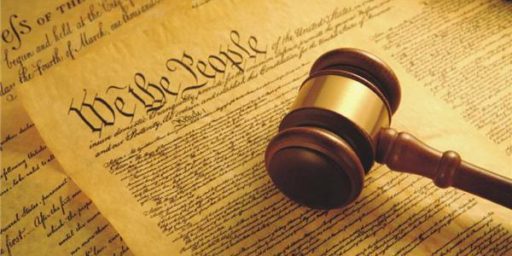
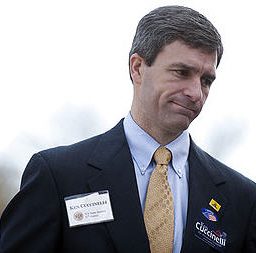
The health care reform law faced it’s first legal test in a Courtroom in Virginia yesterday.
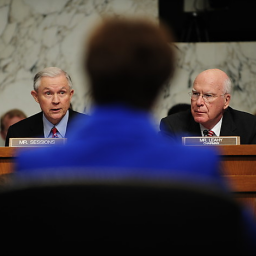

Elena Kagan’s interest in vigorous and open confirmation hearings ended roughly the moment she was sworn in by the Senate Judiciary Committee.