King Abdullah Of Saudi Arabia Dies At 90, Crown Prince Salman Becomes King
A big change in an important nation in the most volatile part of the world.
A big change in an important nation in the most volatile part of the world.


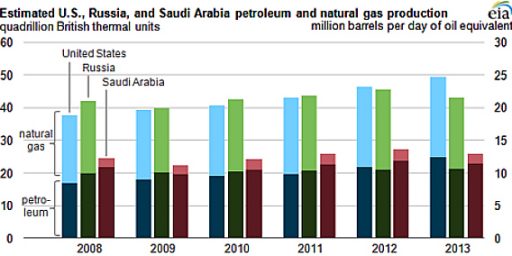
The price of oil is continuing to fall, but it won’t last forever.
Two potential candidates for the Republican nomination in 2016 traded barbs this week over the President’s new policy toward Cuba.


With major theater chains having pulled out, Sony bowed to the inevitable, but now there appears to be proof that a foreign power is behind the Sony hacking attacks and threats of violence.
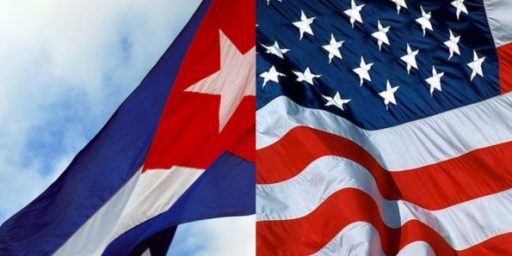
The resumption of diplomatic relations between U.S. and Cuba, and expansion of some commercial trade ties, is historic but it’s only the first step toward the goal of ending an outdated embargo.
For a year that started out with regaining long-lost territory in Ukraine, 2014 is not ending so well for Vladimir Putin’s Russia.
The Justice Department won’t force James Risen to testify in a legal investigation, but faces a new choice in a different case.
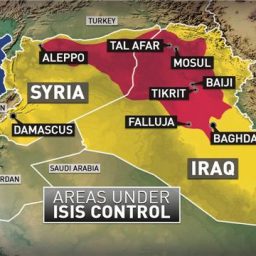
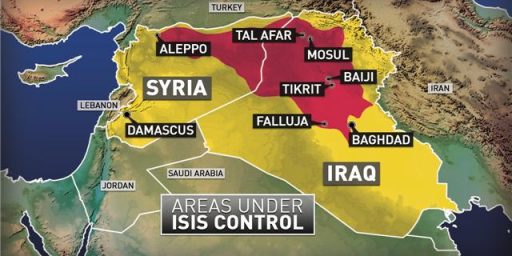
The latest ISIS video is horrible and barbaric but we should not take the bait they are offering before considering the consequences of our actions going forward.
The U.S. embargo of Cuba, and our lack of diplomatic recognition of the government in Havana, is an outdated relic of the Cold War. It’s time to end it.
The war against ISIS continues to silently escalate, with little input from the people’s representatives in Congress.
While the world pays attention to Syria and Iraq, Yemen is once against lurching into chaos.
President Obama has opened a new front in his “war” against ISIS


Iran and the United States are on the same side in the fight against ISIS, whether they like it or not.
Despite the President’s assurances of an international coalition, the rest of the world doesn’t seem all that interested in joining the fight.
If the President is going to increase American involvement in the Middle East, he needs to address some fundamental questions first.
Obama’s current policy—tactical level strikes with no obvious long-term strategic aim—may well be the best we can hope for.
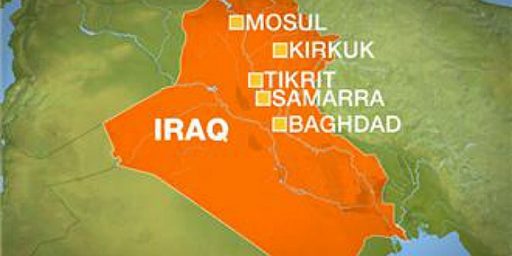
Iraq continues to fall apart.
The Kentucky Senator and former Vice-President are at the front of a battle that will unfold inside the GOP as we head toward 2016.
Could economic chaos bring Egyptians back out into the streets?
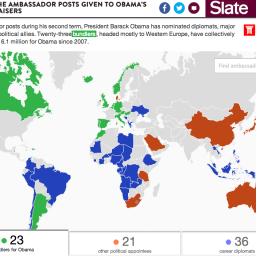
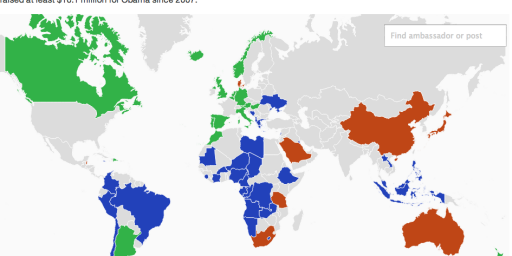
President Obama is rewarding unqualified hacks who raised huge sums for his campaign with ambassadorships.
Nearly six months later, it’s hard to find any good in the July military coup in Egypt.
There are many choices in dealing with Iran’s nuclear program there are many choices, but some are better than others.
Some Members of Congress are talking about pushing a bill imposing new sanction on Iran despite the deal reached in Geneva yesterday.
Robert Kagan warns of “a changing world order.” But he’s grasping at rather thin straws.
Thanks largely to France, this weekend’s efforts to reach an interim deal on Iran’s nuclear program fell apart.
Signs of some progress in the talks over Iran’s nuclear weapons program.
Will this new Australian oil discovery shake up world politics?
Relations between the U.S. and Saudi Arabia seem to have soured in recent years.


The U.S. sends a mostly weak signal to the Egyptian military.
Presidents have gotten away with ignoring Congress when it comes to foreign military adventures for a very long time.
Western military action in the Syrian civil war now appears likely.
Walter Russell Mead explains why a well intentioned, carefully crafted and consistently pursued grand strategy failed.
Al Qaeda may be up to something, so take no chances.
Abu Sufyan al-Azdi, al Qaeda’s number two man in Yemen, is still dead. Or dead again. Or finally dead.
The U.S. is now confirming that the Syrian government has used chemical weapons. What’s next?
Has the West inadvertently handed Iran a victory in Syria?
How would the addition of Susan Rice and Samantha Power to the President’s foreign policy team affect policy toward Syria’s civil war?
Syria’s violence is slipping across it’s borders.That’s not good news at all.
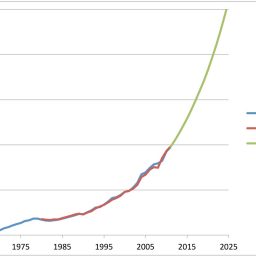
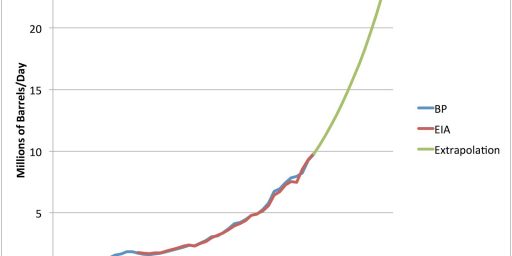
The world oil markets aren’t too far away from being hit by the shock of massively increased demand from China. Somehow, we’ll have to adapt.
We treat violence by lone individuals differently than organized violence. Race, religion, and national origin have nothing to do with that.