On the Number of Parties 1: Basic Counting, Part 1
Counting is not necessarily as straightforward as it may seem.
Counting is not necessarily as straightforward as it may seem.

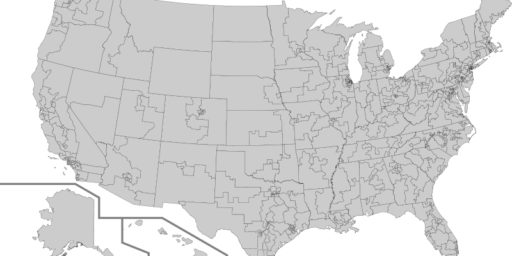
Politicians controlling lines control voters (instead of voters controlling politicians).
The electoral calendar affects who the electorate is.


Voters are suppose to choose elected officials, not the other way around.
It hasn’t changed in over 100 years (but the population sure has).


The College Republican National Committee Chairman elections shows the lessons taught by the national party.


The post really isn’t about Sinema as much as it about a theory of poltiics.


I think this underscores the problem with the 60-vote requirement.


Assessing Republican strategic positioning (and the incentives in our system).
A recent report shows 78 of 435 seats in the US House are truly competitive.
National Review’s Kevin D. Williamson advocates for less democracy in America.
How well do single-seat districts lead to representation? (And of what?)


The lack of common understandings and shared assumptions makes political conversations challenging.
Our insistence on relying on an 18th Century understanding of electoral systems is our ongoing bane (if one values representative government).
Yes, partisanship is real. And it influences more than just voting behavior.
It is not a tool to foster compromise. It is tool of obstruction, plain and simple.


Gridlock doesn’t mean government stops. It just shifts who is governing.
If we embrace the Founders to justify the present, let’s think about what we are doing.
Having the topic of political reform start to seep into pop culture is a good thing.

Thinking about wildfires and electoral politics.

A game wherein one team has to score more points to win than does the other.
A discussion of what #NeverTrump means, on Sanders v. Trump, and some about the philosophy of voting.