Conservatives Double Down On ‘No Hearing, No Votes’ For SCOTUS Nominee
Conservatives are sending a message to Senate Republicans about the vacancy on the Supreme Court, and it may require them to initiate a suicidal game plan.
Conservatives are sending a message to Senate Republicans about the vacancy on the Supreme Court, and it may require them to initiate a suicidal game plan.
In 1992, Joe Biden said that no action should be taken on any potential Supreme Court nominations until after that year’s Presidential election. Sound familiar?
Two new polls show that Americans are basically split equally on the question of who should appoint the Justice that will replace Antonin Scalia on the Supreme Court.
The unity of the Republican Senate on the idea of no hearings or votes, if it ever really existed, appears to be cracking.
A crack in the Republican wall?
Republicans are putting much on the line in their refusal to consider any Supreme Court nomination from President Obama.
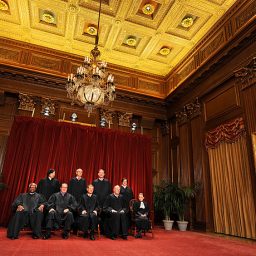
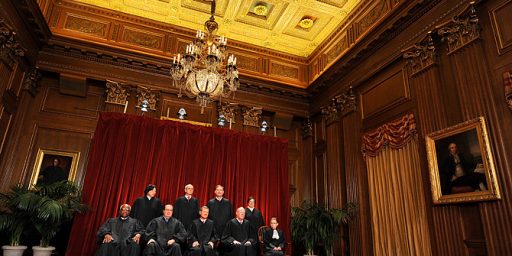
It didn’t take long for the political battle over the seat held by the late Justice Antonin Scalia to become another part of the 2016 political battle.
In the short term, Justice Scalia’s death will have a significant impact on cases the Supreme Court has already heard, and cases it is scheduled to hear in the next two months.


One week before the South Carolina Primary, the remaining Republican candidates for President clashed in a headed debate.
After oral argument today in a high profile case, it appears likely that public employee unions are likely to suffer a major legal defeat later this year.
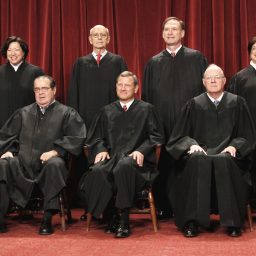
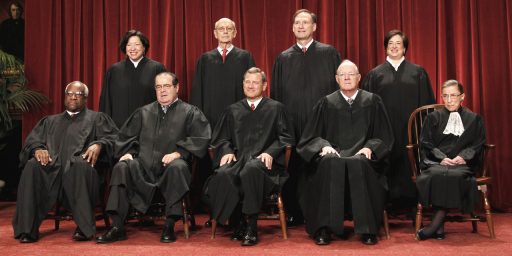
A divided Supreme Court heard argument today in a case involving affirmative action in college admissions that is before the Court for the second time in two years.
The Supreme Court has declined to accept an appeal challenging a law barring certain types of so-called ‘assault weapons’ in a Chicago suburb.
The marriage equality issue is resolved, but that doesn’t mean the Supreme Court won’t have a lot of high profile cases on its docket over the next eight months.
He definitely wouldn’t appreciate it, but in some sense you can thank Robert Bork for the Supreme Court’s opinion in Obergefell v. Hodges.
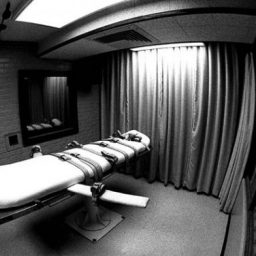
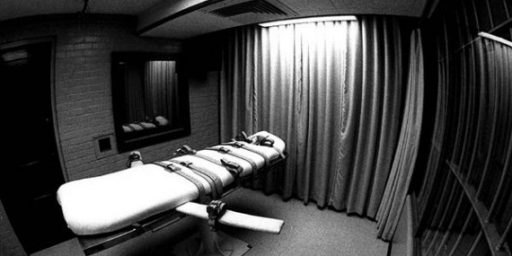
The Supreme Court rejected a challenge to the way the death penalty is administered, dealing a serious blow to opponents of the death penalty.
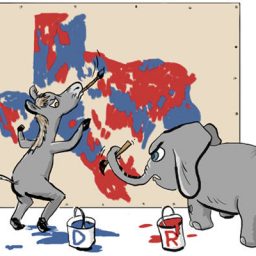
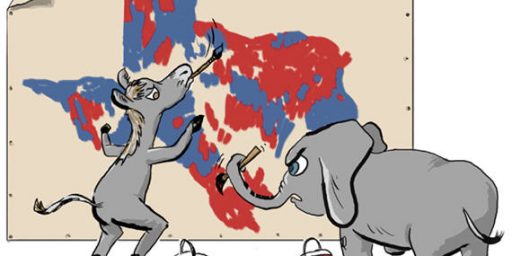
SCOTUS has upheld the use of election commissions to draw Congressional district lines.
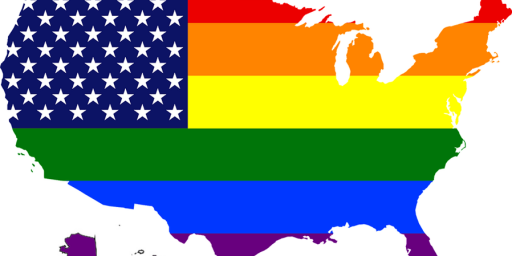
The Supreme Court has issued a ruling whose roots can be found in case law going back half a century.
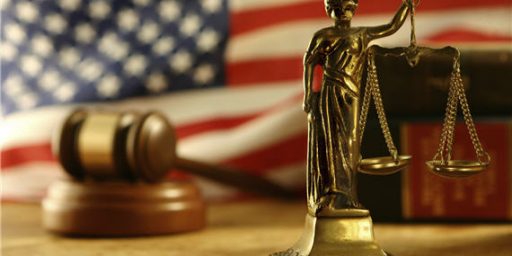
The US Supreme Court has ruled 5-4 that the U.S. Constitution contains a right to same-sex marriage.
The era of legal challenges to the Affordable Care Act is over.
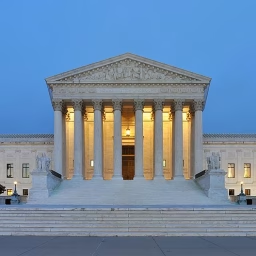

The Supreme Court ruled that police are not entitled to access to a hotel registry without a warrant.
The Supreme Court has struck down a program that forced farmers to turn over a portion of their crop to the government without compensation.
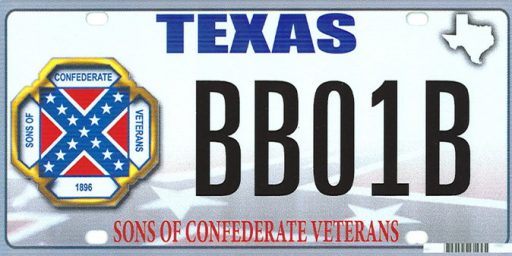
The Supreme Court ruled that states don’t have to grant license plates that display the Confederate flag. Their decision has the potential to seriously harm the First Amendment.
Yesterday, the Supreme Court let stand a ruling striking down North Carolina’s mandatory ultrasound law.


In a case that took seven months to decide, the Supreme Court ruled in favor of the Presidency’s broad authority in foreign affairs, and inserted itself just a little bit in the thorny politics of the Middle East.

In a setback for the gun rights movement, the Supreme Court has let stand a San Francisco law that places tough restrictions on handgun ownership.


The Supreme Court ruled in favor of a Muslim woman who was refused a job because of her hijab.
In a marked departure from recent cases, the Supreme Court rules that states can impose significant restriction on solicitation of campaign contributions in judicial elections.
A sharply divided Court heard argument today on an issue that has sharply divided the nation.
In a 6-3 vote that defied traditional expectations, the Justices have limited the ability of police to detain people on the side of the road for long periods of time.
Once again, the Supreme Court appears to be sharply divided on the latest challenge to the Affordable Care Act.
The Supreme Court seems likely to strike down state laws that take redistricting completely out of the hands of state legislatures.
By refusing to stay the legalization of same-sex marriage in Alabama, the Supreme Court has sent the strongest signal yet that it is ready to legalize same-sex marriage nationwide.
More interesting developments from the Supreme Court on what has been one of the biggest legal stories of 2014.
The next President will have a profound ability to shape the future of the Supreme Court, but that is unlikely to be the most important issue on voters minds in 2016.
The process that seems likely to lead to a Supreme Court ruling on same-sex marriage has begun.
Same-sex marriage advanced in Kansas and South Carolina yesterday, and will soon be law in Montana, but the Supreme Court is what matters now,
The Supreme Court heard argument this week in a case involving a somewhat strange application of Federal law.
The Supreme Court will decide if Congress can override American foreign policy when it comes to declaring who has dominion over Jerusalem.
Opponents of Voter ID laws should not get too excited over the fact that the Supreme Court has stayed Wisconsin’s law from going into effect for now.
Once again, Justice Ginsburg is telling people she has no plans to resign, but her explanation is a bit different this time.
Chief Justice Roberts lamented recently that an increasingly partisan confirmation process could mean that Justices who have contributed much to the Court would not be confirmed today. He’s right.
Two men in North Carolina are free after spending 31 years in prison for a crime they didn’t commit.
A trial court judge in Tennessee is the first jurist since the Supreme Court’s decision in U.S. v. Windsor to uphold a ban on same-sex marriage
Another solid victory for the First Amendment from the Roberts Court.
The Supreme Court rules that Recess Appointments can only be made when there’s actually a Congressional recess.
New technology doesn’t mean that the laws don’t apply.