
GDP Alone Does not Tell the Development Story
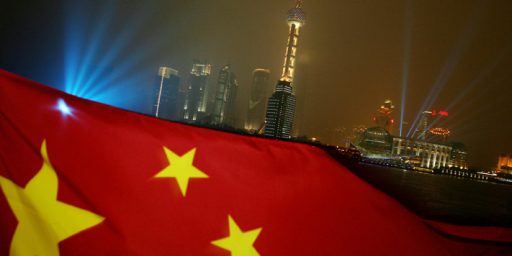
Yes, China’s GDP growth has been impressive for some time now, but it is not the sole way to understand development.

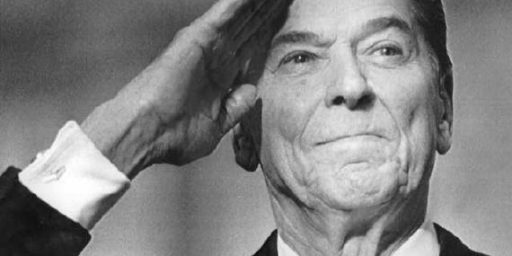
Tim Pawlenty’s Foreign Policy Speech And The Neocon Distortion Of Ronald Reagan’s Legacy
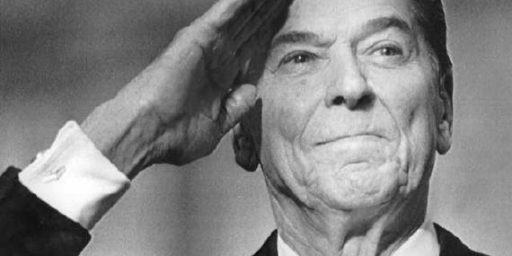
Tim Pawlenty’s foreign policy speech shows him siding with the hawks, and joining in the neocon distortion of Reagan’s legacy.


Rick Perry Advocates the Biblical Virtues of Keynesianism
Rick Perry makes a valid point about bringing the economy back to Biblical principles.


President Obama’s Address to Parliament
While President Obama has had some amusing gaffes on his trip to London, including getting the year wrong in the guest book and an awkward toast to the Queen, his speech to Parliament today hit all the right notes.

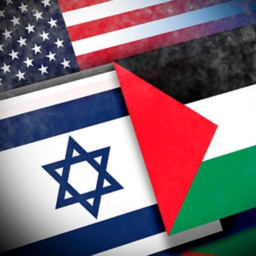

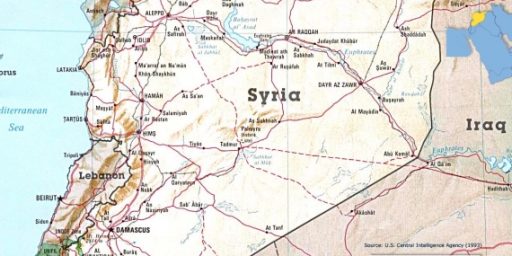
What Exactly are the 1967 Borders?
I get the impression that a lot of people don’t even know what “the 1967 borders” are or why they tend to be considered the logical point of departure for any type of peace negotiations.
Arab Spring Update
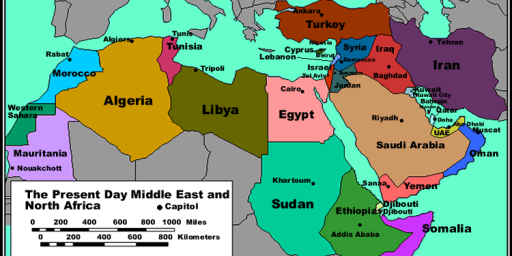
A summary of the status of the “Arab Spring” uprisings with links to news coverage and commentary.
Obama Reiterates Statements On Israeli-Palestinian Talks In AIPAC Speech
President Obama doubled down in his speech before this year’s AIPAC conference. Why he did so only he understands.



President Obama Wades Back Into The Middle East Quicksand
Once again, an American President thinks he can bring peace to the Middle East.
Twitter As Breaking News Source
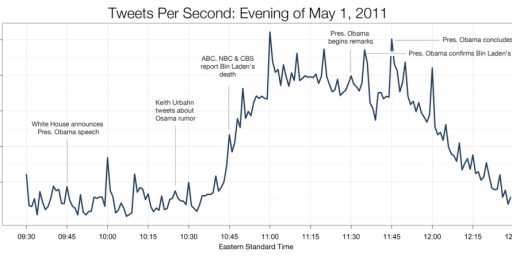
Sunday’s announcement of the death of Osama bin Laden was the latest example of how Twitter has become the go-to source for “Breaking News.”
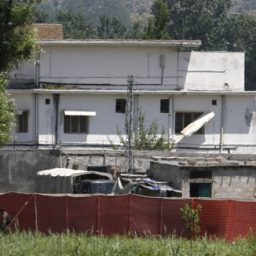
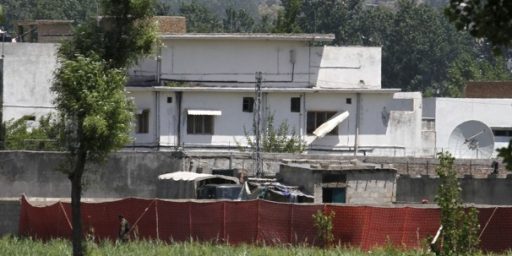
Pakistan Claims It Did Its Part To Catch Bin Laden
The question of how the world’s most wanted man could’ve hidden in plain sight in Pakistan continues to be asked.




NYT: Put Boots on the Ground in Libya
The NYT says it’s time for U. S. advisers and military air traffic controllers on the ground in Libya.
Francis Fukuyama on Origins of Government
Francis Fukuyama: “In the developed world, we take the existence of government so much for granted that we sometimes forget how difficult it was to create.”
Samantha Power: Patriot’s Nightmare?
The re-emergence of Obama foreign policy advisor Samantha Power to prominence has brought critics to the forefront


Libya and the Intervener’s Dilemma
President Obama has pledged no slaughter and no ground troops for Libya. He may well be forced to pick one.
Obama Libya Speech Post-Mortem
Ten days after sending American forces into kinetic military action in Libya, President Obama addressed the nation to explain “what we’ve done, what we plan to do, and why this matters to us.”
Libya Coalition Politics
The uneasy coalition that coalesced around action in Libya will be strained by decisions to come.
If Gaddafi Stays In Power, Then What’s The Point Of Intervention?
U.S. officials are making clear that the current mission in Libya may not lead to the end of Muammar Gaddafi’s rule. If that’s the case, then why are we there in the first place?
Obama’s Road to War
Did President Obama pull off a diplomatic masterstroke? Or is he muddling through?
U.S. Pushing U.N. Security Council To Authorize Direct Intervention In Libya
The Obama Administration is asking the U.N. Security Council to authorize direct military intervention in Libya. The question is, why now?
Who in Their Right Mind Would Want to be President?
Who wants that job? (And is willing to work that hard to get it?)
A Libyan No-Fly Zone Won’t Stop Gaddafi
Establishing a no-fly zone in Libya won’t stop the Civil War, and it’s likely to draw the United States further into a conflict that it needs to stay out of.
U.S. Military Intervention In Libya? Just Say No
Intervening to “help” the Libyan revolt is very tempting, but it’s a temptation we ought to resist.




Freezing Dictator Assets: Good Idea?
Wouldn’t we be better off offering besieged rules exile in relative comfort in exchange for graceful exits?
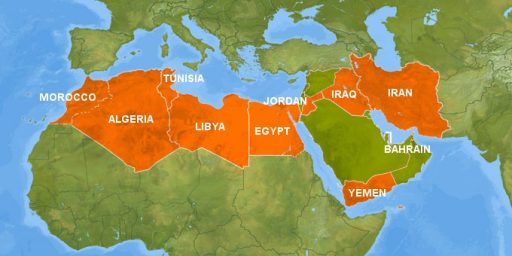
Unfit For Liberty?
The uprisings in the Arab world have led some to suggest that the Middle East isn’t “ready” to be free. They’re wrong.


Egyptian Army Accepts Constitutional Amendments
Egypt takes another step towards constitutional reform.
Saudi Arabia Hoping To Bribe Its Citizens Not To Revolt
Is Saudi Arabia the next domino to fall in the Middle East? The Royal family is hoping that money will be enough to make sure that doesn’t happen.


Egyptian Constitution Reform Committee Set to Report
The Constitutional Reform Commitee has finished its work and will report its recommendations to the military.