Poll: Americans Want Free Stuff
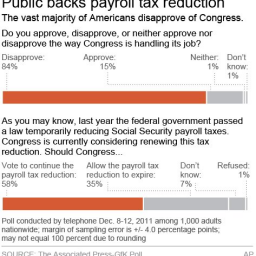
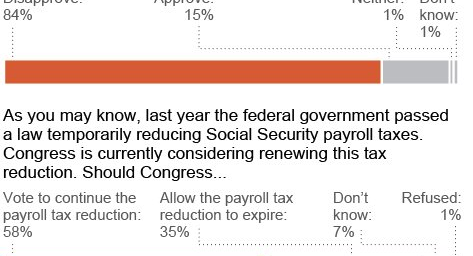
A shocking new polls shows that most Americans would like to receive Social Security and not pay for it.
A shocking new polls shows that most Americans would like to receive Social Security and not pay for it.
A new Gallup poll indicates that it is Big Government, not Big Business, that most concerns the American public.


Don’t believe the fear mongering about the coming decreases in the growth of defense spending.
The much celebrated ban on earmarks isn’t stopping Congressmen from trying to earmark.


Once again, pundits are suggesting that New York’s Michael Bloomberg might run for President. Though nobody seems to be able to explain why.
Congressmen apparently regularly make investment moves based on the information they learn. Of course, for them it isn’t illegal.
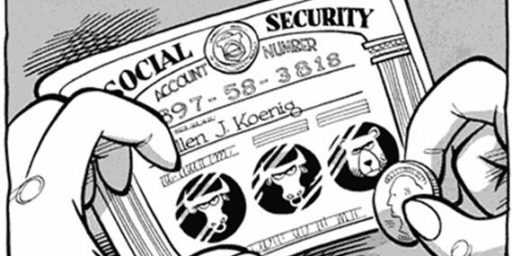
Social Security outlays are exceeding its income. Is that really a problem?


Increasing taxes on the rich may be a fiscal policy worth talking about, but it won’t make the poor richer.
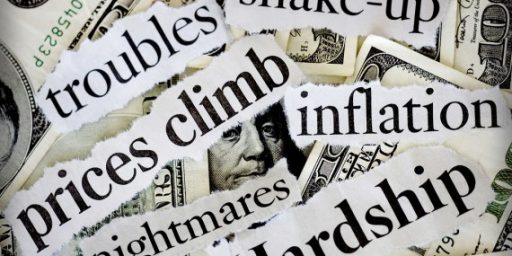
The prospects for real economic recovery are not good.
Mitt Romney is still being dogged by charges of changed positions. Now, he’s trying to spin that as a good thing.
The public supports the Presidents tax plans, but will that matter on Election Day?

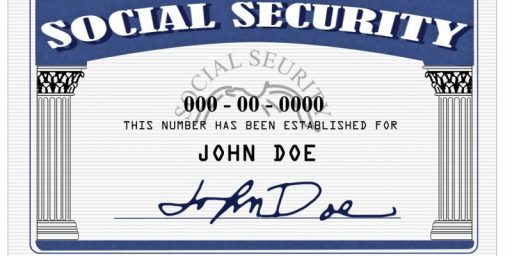
Whether it’s a “Ponzi Scheme” or not, Social Security has serious systemic problems that must be addressed.
Either a bunch of bloggers or one of the world’s smartest economists doesn’t understand economics.
President Obama’s job approval numbers are even worse when you just look at the economy.
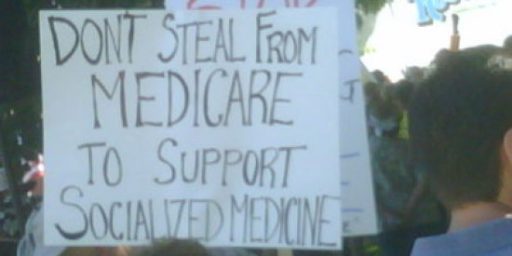
For the past 18 months, Medicare spending has slowed down considerably – especially compared to the private sector.


Has a precedent been set for future requests by the President to increase the debt ceiling?


The cuts to Pentagon spending in the new debt deal are further revealing a split in the GOP over foreign policy and military spending.

You thought you’d seen the worst of Congress in July? Oh, you silly American you.
Now that America’s political leadership have probably averted a self-inflicted global economic calamity, it’s time to assess the winners and losers.


Another government program isn’t going to bring health care costs under control.
It’s very easy to create a “balanced budget” when you cook the books.


House and Senate Republicans are pushing a Balanced Budget Amendment. It sounds like a good idea, but it isn’t.
The “debt ceiling” is phony, contrived, and needs to be eliminated.


Congress is coming back to Washington and gas prices continue to rise. Expect a lot of demagoguery, but very little in the way of solutions.


A comedian-turned-Senator makes some strong points about how America goes to war.
Will days of strong economic growth ever return? And what happens if they don’t?
Obama’s main politics are hardly as leftist as many make them out to be. Indeed, much of them could have fit well in the the GOP of 1990s and early 2000s.


There are signs that the Ryan Plan isn’t playing well with the public.
According to a new poll, the American public still isn’t sold on the idea of cutting entitlements to cut the budget deficit.
Donald Trump figures that, because he’s rich, he’s qualified to be president.


To borrow a phrase: budgeting is the science of muddling through (with an emphasis on the “muddling” far more than the “science.”
Two new polls show that the public supports the budget deal, but has no idea what to do to solve our long term problems.
What, if anything, does the budget deal mean for the future?
There are still three days left, but it’s looking less and less likely that a budget deal will be reached in time to avoid a government shutdown.