The End Of Sarah Palin?
One columnist argues that Sarah Palin’s response to the Arizona shootings mark the end of whatever political future she might have had. He’s probably correct.




Today In Religious Liberty: Jefferson Writes Of The “Wall Of Separation”
208 years ago today, Thomas Jefferson wrote a letter to The Danbury Baptist Association that has resonated through the years.
What If Roe v. Wade Were Reversed? Europe Offers A Guide
A somewhat surprising court decision from the European Union gives a glimpse of what the situation in the United States would be if Roe v. Wade were overturned.
Does U. S. Support for NATO Serve a Strategic Purpose?
Does NATO membership serve a strategic purpose?

Health Care Reform and Political Constraints
How likely are more sweeping health care reforms in the US? Not very likely at all.


Tax Deal Debate A Preview Of Race For GOP Nomination
The internal debate in the Republican Party over the tax cut extension deal with President Obama is serving as a preview of some of the battles that may erupt during the race for the party’s nomination in 2012.



Why The Supreme Court Is Likely To Uphold ObamaCare’s Individual Mandate
Despite yesterday’s victory for opponents of the Affordable Care Act, the prospects in the Supreme Court are not good.

Another Observation about the 17th Amendment
How would appointed Senators affect the partisan mix of the Senate?



Liberals, Tea Party Seem United In Ire For Debt Commission Proposal
The immediate reactions from left and right to the proposals from the Chairmen of the Debt Commission are about what you’d expect.
Sarah Palin Most Polarizing Figure In 2012 Field
This is a strange disconnect between Sarah Palin’s popularity within the Republican Party and her popularity with the nation as a whole. One wonders if the GOP notices, or cares.


Geithner Briefed Jon Stewart
Treasury Secretary Timothy Geithner held a private, off-the-record meeting in comedian Jon Stewart’s office back in April. Speculation abounds.
Romney, Huckabee, Palin Lead GOP Field For 2012
Despite votes in the 2010 contest still being counted, polls for 2012 are already pouring out. They’re largely meaningless.


3rd Party Candidates in 2010
Republicans either lost or barely won a whole lot of races because their vote was split with minor party candidates.
Democrats Sweep Massachusetts
Democrats won the governorship, all 10 House seats, and all statewide races in Massachusetts.
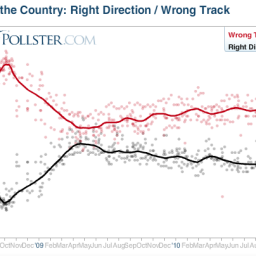
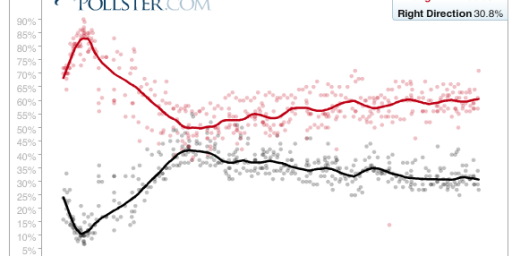
One Polling Chart To Rule Them All
If you’re looking for a reason why the GOP is likely to do very well tomorrow, voter response to the “right track/wrong track” question is a very good guide.


Ted Sorenson, Kennedy Adviser And Speechwriter, Dead At 82
Theodore Sorensen, a speechwriter and close adviser to President John F. Kennedy, died today at the age of 82
Newt Gingrich Shows All The Signs Of Running In 2012
Newt Gingrich for President ? You might want to think twice about that, Republicans.

2010 Election Predictions
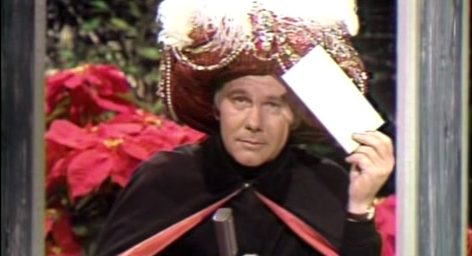
We’ve been talking about the 2010 elections since, oh, the day after the 2008 elections. Now, it’s time for final predictions.

When It Comes To Ideological Purity, Democrats Can Be As Dumb As Republicans
A call for ideological purity in the Democratic Party in today’s New York Times demonstrates that Democrats can be just as foolish as Republicans.
The Obama Coalition Crumbles, And Obama Blames The Voters (Again)
The coalition of voters that propelled Barack Obama to an historic victory in 2008 is seemingly falling apart, and the President is reacting by blaming the voters.
Barney Frank Revises History
Greg Mankiw notes a curious revisionism in Barney Frank’s pronouncements on Fannie Mae and Freddy Mac.
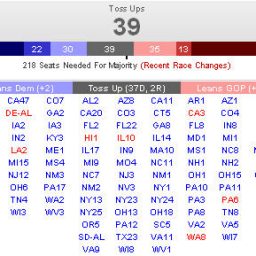
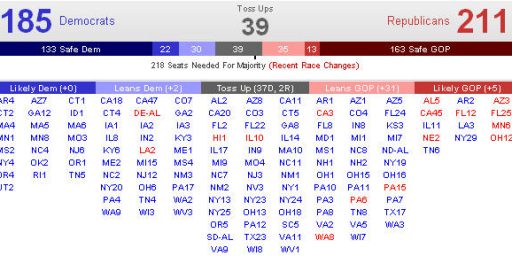
Democratic ‘Safe’ Seats Not So Safe
Republicans are suddenly targeting — and Democrats in some cases are conceding — House seats that were until recently considered out of play.


Taxes and Incentives
Greg Mankiw argues that, the more of his money the government takes, the less incentive he has to earn more. That’s debatable.


Soldiers: Not Poor, Stupid Hicks
Yet another study shows what any of us who’ve ever spent any time around soldiers already knew: Our Army is not comprised of stupid people who couldn’t find a decent job.
Election Polling Works
No Senate candidate with a lead of more than 5.5 points in the polling average, with 30 days to go in the race, has lost his race since 1998: these candidates are 68-0.


New Study Projects Big Gains For GOP From Redistricting
A new projection of Congressional reapportionment shows a dramatic shift to traditionally Republican states in the South and Southwest.


Playing The Gender Card In The O’Donnell Backlash
At least one Christine O’Donnell supporter thinks that Republicans who aren’t jumping on are bandwagon are doing so because of her gender.


Texas Forces Gay Couple To Stay Married
A case out of Texas demonstrates quite aptly the absurdity of the current patchwork quilt approach to same-sex marriage in the United States.
Public Opinion On Health Care Reform Turning Negative Again
The perfect storm of a bad economy and a new, massive, unpopular government entitlement program may be combing to cause serious damage to Democrats in November.


Delaware GOP Primary In The Tea Party’s Crosshairs
Delaware’s September 14th Republican Senate Primary is shaping up to be the next battle between the Establishment GOP and the Tea Party movement.
New York Times Fascinated That Republicans Don’t Care That Ken Mehlman Is Gay
The New York Times realizes that most Republicans just don’t care that Ken Mehlman is gay. Surprise, neither do most Americans at this point.


Secret to Wealth Discovered!
Americans who earn a lot of money disproportionately live in a tiny number of states and are married to other high-earners.


Maybe The Gulf Oil Didn’t Go Away After All
It’s beginning to look like initial reports that the Gulf of Mexico oil spill had been “cleaned up” may not be true after all.


Unemployment Paradox: Vacant Jobs Unfilled
Despite 9.5% unemployment, American firms are struggling to find qualified applicants for job openings.