Twitter Hoax: SEAL Who Killed bin Laden Killed in Battle
Trending on Twitter this morning: “R.I.P. Paul Davis. The Navy Seal who killed Osama Bin Laden died in battle today. Retweet to honor him.”
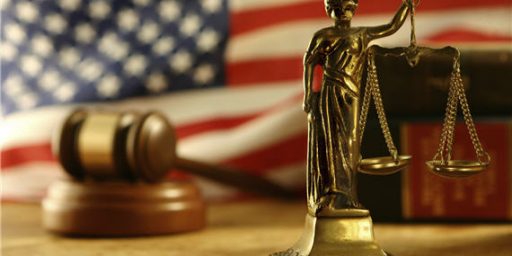
It’s Illegal to Photograph Your Ballot. In America.
Posting pictures of your ballot to Facebook, Twitter, and Instagram is a crime in some parts of America.
Get Ready For The Post-Election Truthers
Will conservatives freak out if Romney loses? That’s pretty much guaranteed.
Report: U.S. Knew Benghazi Attack Was Terrorism Within 24 Hours
The Administration’s decision to stick with the meme that the Benghazi attack was about a movie becomes more puzzling.
Pirate Party Leader Fights Illegal Downloads of Her Book
A Pirate Party leader has been policing illegal downloads of her copyrighted book.


The Sorry State of Science Writing
Seth Mnookin laments a series of embarrassing failures in science writing in recent months but rejoices in the rich dialog that followed.

Judge Rules That What You Post On Facebook Can Be Used As Evidence Against You
As far as the law is concerned, your social media accounts aren’t private at all.
Facebook’s Share Price Continues To Tumble As Reality Sets In
Facebook’s stock has lost nearly 50% of its value since the company went public, and the plunge probably isn’t over.
Civil Rights Group Alleges Discrimination By Chick-Fil-A Because Of Dan Cathy’s Opinion
The latest round of the Chick-fil-A controversy is perhaps the most absurd yet.
NBC’s 20th Century Olympics Coverage In A 21st Century World
NBC’s Olympic coverage doesn’t necessarily recognize the realities of social networking and the 24 hour news cycle.


Citizens United Was About Freedom Of Speech, Not “Corporate Rights.”
Opponents of the Supreme Court’s decision in Citizens United continue to miss the point of what the case was really about.


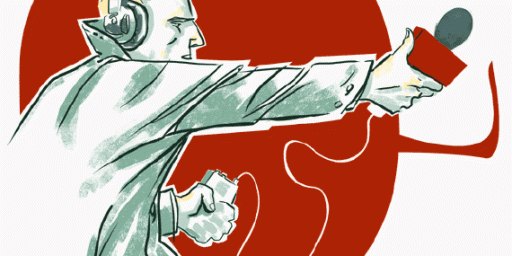
Journalists As Opposition Researchers
Jonathan Chait makes an astute observation about the media’s role in meme generation.

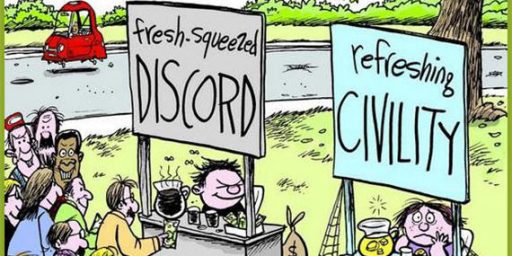
Intellectual Honesty in American Politics: No Good Deed Goes Unpunished
A Bill Clinton parody account created by the Romney campaign is both clever and yet another sign of what’s wrong with American politics.



Braves, Barves, And Intellectual Property Law
An object lesson in the problems with our intellectual property laws
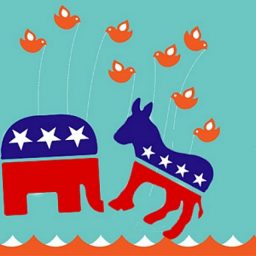

Twitter Wars And The 2012 Election
Will Twitter impact the 2012 elections? The evidence seems thin that it will.


Facts, RIP
Rex Huppke reports, “Facts died Wednesday, April 18, after a long battle for relevancy with the 24-hour news cycle, blogs and the Internet.”
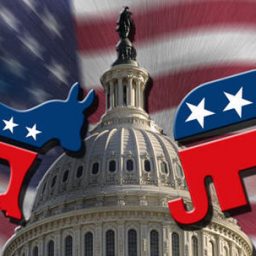

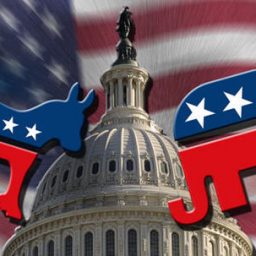
Hilary Rosen, Foster Freiss, And The Permanent Campaign Silly Season
Thanks to a media that focuses obsessively on irrelevancies, we now have a permanent political silly season.


Vetting A Running Mate In A Post-Palin World
The vetting process for a Vice-Presidential running mate will likely be very different with memories of the Sarah Palin debacle fresh in everyone’s mind.

Controversy Erupts Over Employer Requests For Facebook Passwords
Like it or not, what you do online will be of interest to someone looking to hire you.
Joseph Kony, #stopkony, and Ignoring Africa
Today, the #stopkony hashtag is trending on Twitter. Here’s why.

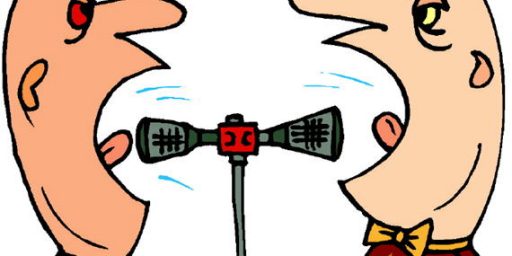
Why Are We Letting Them Fool Us?
There’s an entire industry that profits from exploiting political controversy and division. Why do we let them get away with it?


Whitney Houston, Chris Christie, And America’s Obsession With Celebrity Worship
An object lesson in celebrity worship from the State of New Jersey.
The GOP’s Increasingly Weird Delegate Math
It’s looking increasingly unlikely that anyone will have the race for the nomination wrapped up any time soon.


Breaking and Unbreaking News in Twitter Time
Within an hour last evening, I passed along and retracted two breaking news stories on Twitter.


Bad Journalism, Or A Reason Not To Have Private Conversations In Public?
Should journalists report things they happen to overhear in a public place?


Wikipedia To Go Dark Wednesday To Protest Online Piracy Bills
Wikipedia’s English language site will be offline for 24 hours tomorrow to protest two controversial online piracy bills.
Complaining About Gmail, Facebook, Twitter, and other Constantly Changing Products
Henry Farrell thinks “The New Gmail Sucks” and doesn’t care who knows it.
(Not) Breaking News: People Who Work For The Government Look At The Internet
Apparently, people who work for the government are surfing the World Wide Web.
Associated Press Reporters Reprimanded For Using Twitter To Send Out Breaking News
The Associated Press is trying to fight Twitter rather than engage it.


Gary Johnson Files Complaints With FEC, FCC Over Debate Exclusion
Gary Johnson is right to be upset that he’s been excluded from debates, but he shouldn’t get the government involved.
Facebook v. Google+: Completely Unscientific Case Study
Google+ was supposed to be a Facebook killer. If their social media icons are any indication, it’s not happening.
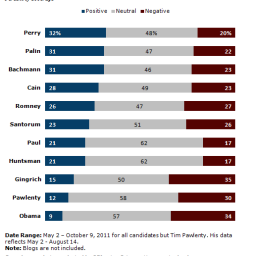
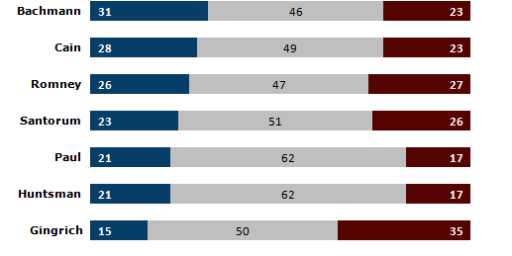
Media Coverage of the Candidates
Rick Perry has gotten the most and best coverage thus far in the campaign. President Obama has gotten mostly negative coverage.