
‘Gay’ Résumé Not Okay?
Listing affiliation with gay activist groups hinders one’s chances of landing a job interview.
Listing affiliation with gay activist groups hinders one’s chances of landing a job interview.


A group of researchers at Texas Tech, The University of Texas, and Yale University are conducting an online survey investigating social media use and political attitudes and behaviors.
A meme is emerging that the Occupy Wall Street protests are America’s version of the Arab Awakening. That meme must die.


The Obama campaign’s new “Attackwatch” site is the latest Outrage Of The Day

The idea that students raised in the Information Age are therefore savvy about information is a dangerous but pervasive myth.
What’s a little thing like freedom of speech when there are shops being looted and burned?
Netflix will charge $7.99 for streaming video; it’s now a $2 add-on.


The biggest news story of the past six weeks was something completely trivial.


When everyone can record video at any time and post it for all the world to see, is there such a thing as privacy anymore?
Where’s the line when a public figure interacts with a teenage fan?


Perhaps understandably, the Anthony Weiner incident seems to have caused some politicians to rethink their Twitter strategy.

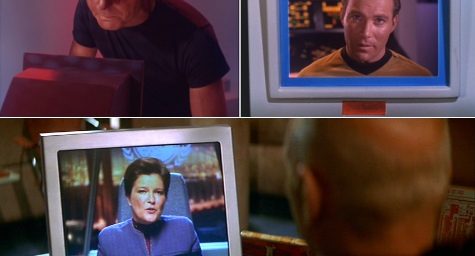
Video calling is becoming widely available. Will it become as common as talking on the phone?


Why the United States has found itself in a seemingly endless series of wars over the past two decades.
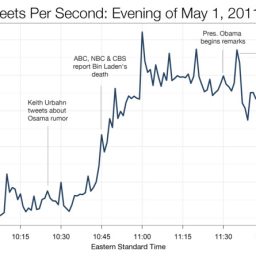
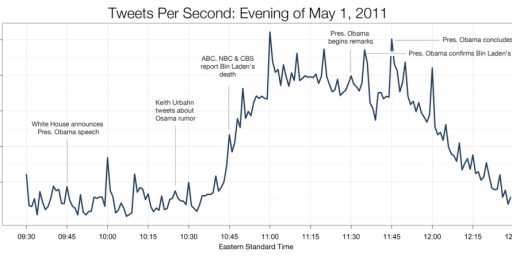
Sunday’s announcement of the death of Osama bin Laden was the latest example of how Twitter has become the go-to source for “Breaking News.”


While complaints that there’s too much information for intellectuals to sort through, much less read, are constant, they’re not new. Harvard historian Ann Blair argues in her new book Too Much to Know: Managing Scholarly Information Before the Modern Age that this stress goes back at least to Seneca’s time.


In less than two weeks, much of the content of The New York Times will go behind a paywall.

Philippa Thomas has a fascinating take on how she broke the news of (now former) State Department P.J. Crowley’s condemnation of the Obama administration’s treatment of Bradley Manning.


Facebook limits accounts to those who say that they are at least 13 years old. Shockingly, some kids lie to get on the popular social network.
Gmail has introduced another feature to help people deal with inbox overload: Smart Labels.
Charlie Sheen was the highest paid sitcom actor on the planet. Until a few minutes ago:


The lines between our public and professional identities and our private and social ones continue to blur.


While the prestige outlets of the halcyon days of the last millennium still hold some cachet for those of us old enough to remember that era, they mean next to nothing on the Web.
Calls are coming from both sides of the aisle for the U.S. to do “something” about the situation in Libya. It would be better if we didn’t get involved.


Should employers be allowed to ask for your Facebook login as a condition of employment?

Facebook has come up with new settings to meet the needs of users in same-sex relationships.


The White House Press Office produces a blog, YouTube channel, Flickr photo stream, Facebook and Twitter profiles, and daily video programming.

Some in Washington are claiming the intelligence community missed the warning signs of unrest in Tunisia and Egypt in what looks like little more than an effort to create scapegoats if things go wrong.
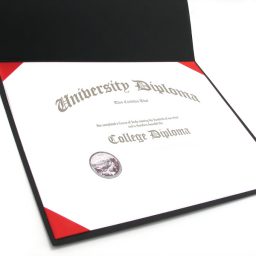
Senate candidate Christine O’Donnell has a history of embellishing her educational history.

Facebook’s 26-year-old founder, Mark Zuckerberg, is one of the wealthiest men in America. Most of his work force is unpaid.
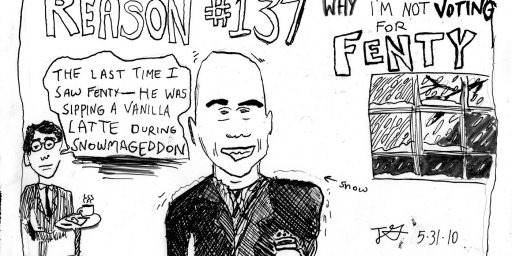
The Tea Party movement and the populist backlash against DC mayor Adrian Fenty are a sign that things are changing so fast that a lot of people simply can’t adjust.
The media is now starting to look at it’s own role in the whole Koran burning story, but the truth is that there really wasn’t any way they could’ve ignored the story.


Has the digitization of entertainment — DVRs, iPods, iPods, digital cameras, Netflix, and so forth — transformed it from fun into work?


Your Tweets, Facebook wall posts, and FourSquare announcements obviously provide a lot of insights into your life. But so does what you’re not posting.


Technology guru Leo Laporte had been using Google Buzz to aggregate his social media presence for a few weeks and discovered that his feed had stopped going out and discovered that nobody gave a damn.