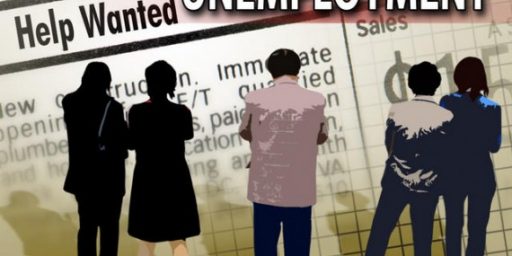
For the most part, April’s jobs report was good news.
Montana Congressman Denny Rehberg is catching some flak for complaining that he’s “struggling like everyone else” despite a net worth in the millions.
Congress is coming back to Washington and gas prices continue to rise. Expect a lot of demagoguery, but very little in the way of solutions.
Three years later, there are no signs that the real estate market is anywhere close to recovering.
Will days of strong economic growth ever return? And what happens if they don’t?
President Obama is suffering in the polls because of high gas prices, but is there really anything he can do about them?
A survey of three studies demonstrates consistently that exposure to certain pesticides used in farming diminishes mental development.
President Obama is vulnerable, but he’s facing a GOP field that is underwhelming even for Republicans.
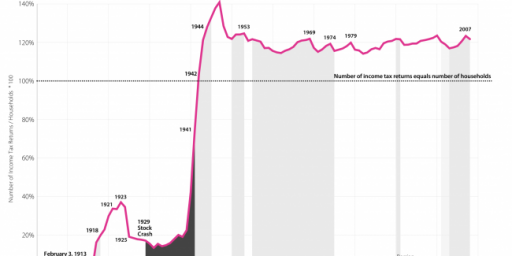
Tax compliance employs more workers than Wal-Mart, UPS, McDonalds, IBM, and Citigroup — combined.
The systemic risks of financial institutions haven’t changed much since 2008.
The story that GE paid zero taxes last year despite mega-billion dollar profits is completely untrue.
Philip Greenspun wonders, “How did the New York Times manage to spend $40 million on its pay wall?”

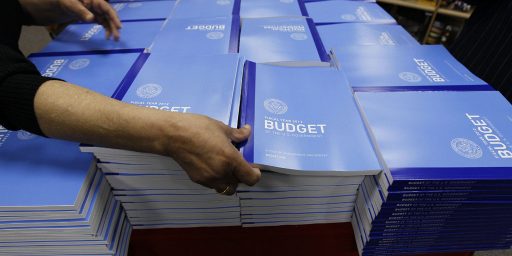
The American people have no idea what’s really in the Federal Budget, which makes any discussion about what to cut virtually impossible.
Since November, the Unemployment Rate has fallen a full percentage point, a sign that this is more than just a minor recovery.
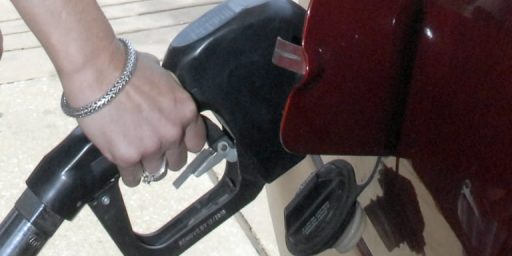
A new study suggests that increases in the price of gasoline have very little impact on consumer behavior. If that’s true, it has serious implications for energy policy.
A new study finds that the robust growth of the financial sector in the United States in recent decades has come at the expense of entrepreneurship.
Customers at a Radio Shack in Montana have an opportunity to get a free gun if they switch to Dish Network.
GE made $14.2 billion in profits last year but paid zero corporate taxes to the United States Government. Legally.
Natural disasters in Japan have lessened the supply of pigments necessary to make black paint.
People and businesses are sitting on cash out of fear, creating a vicious cycle.
In less than two weeks, much of the content of The New York Times will go behind a paywall.
Can the massive destruction caused by the Japanese earthquake, tsunami, and nuclear meltdowns stimulate the economy?
NPR is a collection of local stations, not a single station. And it’s run that way.
We’ve been hearing about peak oil for years. But now some experts are warning of an even more serious crisis: Peak coffee.
We’re heading towards a future of higher food prices and more hunger.