Second Term Blues?
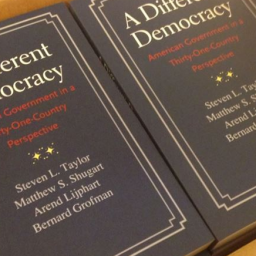
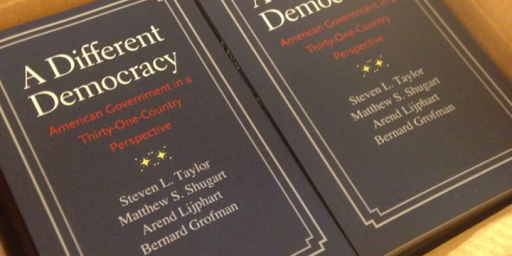
The sixth year of a presidency leads to some predictable commentary (and some comparative notes).
Yemeni Rebels Seize Portion Of Capital
While the world pays attention to Syria and Iraq, Yemen is once against lurching into chaos.
Fixing Comments Sections with Financial Incentives
Jess Zimmerman offers “An ingenious way to save the comments section,” if she does say so herself.
President Obama’s Misplaced Trust In The “Moderate” Syrian Rebels
After keeping his distance from them for three years, President Obama is placing much misplaced hope in the “moderate” Syrian rebels,
Seventh Circuit Strikes Down Indiana And Wisconsin Bans On Same-Sex Marriage
Another Federal appellate Court has struck down state law bans on same-sex marriage, but the only thing that matters now is the Supreme Court.
No, Obama Isn’t Seeking ‘Regime Change’ in Iraq
The United States is, in fact, doing the exact opposite.
Why Debating Districts Misses The Larger Point
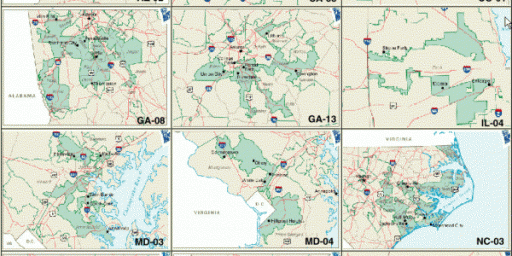
There are plenty of other factors that help our two major parties retain power.
Will the GOP Ever Win Another Presidential Election?
It’s hard for a party to win four straight presidential elections. The Democrats may pull it off.


Viet Xuan Luong Becomes First Vietnamese-American General
Viet Xuan Luong pins on a brigadier general’s star today, becoming the first Vietnamese-American officer to achieve that rank.


Immigration Legislation: Veto Players in Action
The current immigration debate is yet another great example of how our system works (so to speak).
Despite International Pressure, Israeli Public Supports Netanyahu On The War In Gaza
The Israeli public if overwhelmingly behind the war in Gaza, and that means it will probably continue for awhile.


Despite A Plethora Of World Crises, Americans Oppose Greater Foreign Intervention
Crisis seems to be brewing all over the world, but the American people aren’t persuaded that it’s necessary for the United States to act.
Thank God For Negative Campaigning
Rather than being a bad thing, negative campaigning is an essential part of our political system.
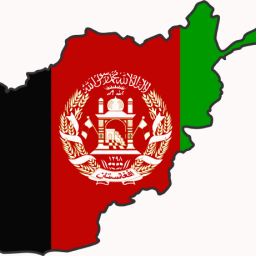

Afghans Agree To Changes In Government In Deal To Resolve Election Dispute
The various factions in Afghanistan have agreed, at least in principle, to alter the nation’s government as part of a deal to resolve election disputes.
Obama Secretly Backing Warren Over Clinton, Declares Lying Hack
Ed Klein says he has “Democrat sources” who Obama wants Warren to continue his mission to “transform America into a European-style democratic-socialist state.”
Institutional Design and Governance
A piece at Foreign Policy provides a chance to give some thought to institutions.


Belief In ‘American Exceptionalism’ Is Declining, And That’s a Good Thing
A new poll shows that Americans don’t buy into the idea of “American exceptionalism” as much as they used to. That’s a positive development rather than a negative one.
Millennials: Less Patriotic, Or Just Differently Patriotic?
Some surveys suggest that younger Americans are less patriotic than older generations.

Democrats Have A 2014 Voter Enthusiasm Problem
If current trends holds, Democratic candidates are going to have a problem turning out voters in November.

A Quick Note on Voters (MS Primary Edition)
Parties do not own voters, and the job of campaigns is to attract voters.


George Will Has A Question For Republicans About Iraq, And So Do I
Some questions for the Republicans who would be President about the actions of the last Republican President.
Mike Huckabee Invokes Martin Luther King Jr. To Argue Against Marriage Equality
Once again, conservatives demonstrate how little they understand minority voters.
Is The Iraq War To Blame For Iraq’s Current Crisis?
Recent events in Iraq have opened up old domestic political arguments in the United States.
The End of History, Continued
Twenty-five years after his seminal “End of History” article, Francis Fukuyama reflects on its legacy.

Insurgents Continue Advance Toward Baghdad
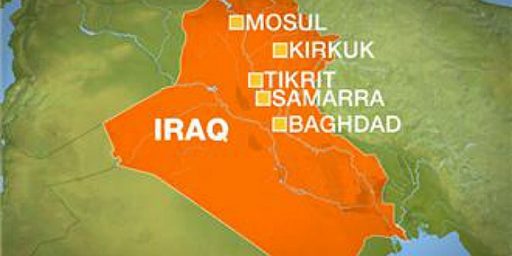
It’s sure beginning to look like a civil war in Iraq, albeit a rather one sided one at the moment.
Eric Cantor, House Republican Leader, Loses in Republican Primary
An unknown Tea Party candidate unexpectedly beat the House Leader in today’s GOP primary.
At Normandy, Obama Continues A Tradition That Reagan Started
For the fourth time in 30 years, an American President spoke at Normandy to honor a day of sacrifice and triumph.


Tiananmen Square 25 Years Later
After two and a half decades, the images of June 4, 1989 resonate with many, unless you happen to live in China.
Hillary Clinton Wasn’t a Horrible Secretary of State
Yet another autiobiography invites public discussion about her accomplishments.
Should We Eliminate The Vice-Presidency?
Does the office of Vice-President serve any useful purpose anymore?


Supreme Court Quietly Revises Opinions With Little Notice To The Public
The Supreme Court, subject to revision.
How America Stopped Thinking Strategically
Today’s foreign-policy disputes rarely consider the way America’s response to one crisis might affect another.
Brian Schweitzer Hits Hillary Clinton Over Wall Street Ties
A prairie populist challenger for Hillary Clinton?