So, to further my previous post on this subject and to acknowledge James’ post about Van Hollen throwing his hat into the ring, I have a few more thoughts about caucus leadership.
First, as I noted before, I am not a pro-Schumer partisan. I would have no problem with a new Majority Leader. Like a lot of people, I find Schumer to be a plain-vanilla old-schooler in an era that seems to demand more energy. I get the urge to want more fight.
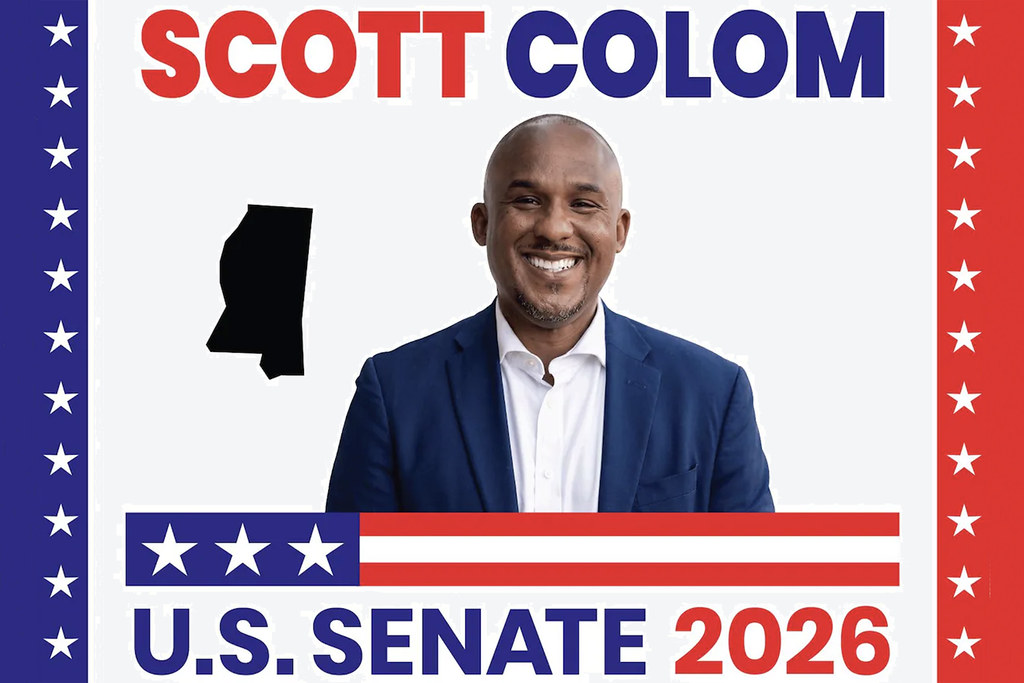
I am ambivalent about Van Hollen, as the only things I really know about him are that 1) he is younger than Schumer, 2) he has made some noise about running for president in 2028, and 3) that he was admirable in his work to bring attention to the plight of Kilmar Abrego Garcia’s plight in CECOT.
I am going to be honest: I think this bid for leadership is more about raising his national profile with an eye toward a possible 2028 run than it is about a real shot at the job.
Second, and really the reason I keep thinking about and writing about this subject: I just don’t think most people understand what the job in question really is or how it works. It all feels a bit like the Green Lantern theory of the presidency: people so want Congressional Democrats to be aggressive that they are hoping that the Majority Leader can force them to do so. I think this is because people are reading a lot into the word “Leader.”
While it is true that the Senate Majority Leader has some powers and authorities, the role is much more one of “first among equals” than it is, as it seems people think, the boss of the caucus. The job is linked to a lot of procedural wrangling and internal negotiation. It is not the case that if the Democratic caucus were to elect a fighter, the caucus would then be forced to fight. The caucus is going to fight if it wants to fight, not because the leader tells them what to do.
In other words: the Majority Leader has limited tools to force other Senators to vote a particular way. Recall how compliant Manchin and Sinema were. Remember why it is that there were fears that 51 seats would be insufficient because of what Fetterman might do.
Georgia State University political scientist Jeff Lazarus has a good thread about this on Blue Sky. A key point he makes, from the get-go, is one I have noted here at OTB over the years: Congressional leadership does not have as much power over its members as people tend to think.
The whole thread is worth a read, but I will highlight this key point:
That last sentence is key and sums up why I worry very little about exactly who gets the job.
In other words, and somewhat to my point in my previous post: the issue of who the Majority Leader is is less important to what the caucus will actually do than the convention wisdom would suggest.
And I will stress that in our system, it simply is not the case that the Senate Majority Leader is ever going to be The Leader of the party.
And FWIW, I think that the place to look for real fight out of both Chambers of Congress is going to emanate from the committees. The Speaker and the Majority Leader are going to have to create the appropriate environment for those fights to manifest, rather than necessarily being obvious pugilists.
I will say this in regard to the Senate: at some point the Democrats are going to have to decide that the filibuster has got to go, else they will be surrendering to the minority veto of the Republicans, thus ceding their majority status and allowing inaction to rule yet again. In other words, if they allow 44 members to essentially control the chamber, who cares who the Majority Leader is?