
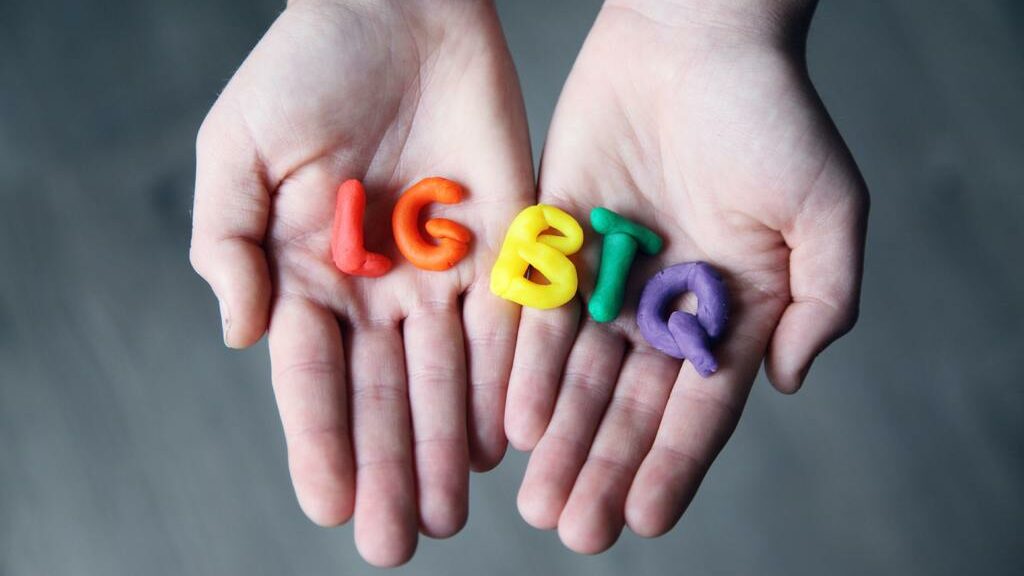

Laura Sjoberg informs us that she is working to form a Lesbian, Gay, Bisexual, Transgendered, Queer, and Allies Caucus of the International Studies Association (the premier organization of academic IR scholars) in order to:
A. To promote fair and equal treatment of members of the Lesbian, Gay, Transgendered, Bisexual, and Queer and Allies (hereafter LGBTQA) community in the International Studies Association (hereafter ISA) and in the profession of international studies, in areas including but not limited to graduate school admission, financial assistance in schools, employment, tenure, and promotion.
B. To combat discrimination against and provide support for LGBTQA faculty, student, and professional members of the International Studies Association.
C. To encourage the application of the skills of scholars and students of international studies to combat discrimination on the basis of sexual orientation.
D. To promote the recruitment of new members to the Caucus specifically and ISA generally.
Leaving aside that the last of the four goals amounts to a self-licking ice cream cone (not that there’s anything wrong with that) how needed are these? Is there really rampant discrimination on the basis of sex in the academy these days? Homosexuality is mainstream in our broader society at this point, much less the relatively liberal halls of academe.
Do LGTBQ types face discrimination in financial aid or grad school admissions? If so, how? That is, how would the bureaucratic offices who make these decisions even know that the people were LGTBQ? (One presumes, irrespective of the answer, that Allies are safe in this regard.)
I suppose that a man showing up for a job interview wearing lipstick and a dress might still be poorly received in many departments across the land. But so might a man showing up with a mustache or blue jeans or a too-nice suit.
Beyond this, what has any of this to do with ISA? It was “was founded in 1959 to promote research and education in international affairs.” Its current purpose is still along those lines:
I. Provide opportunities for communications among educators, researchers, and practitioners in order to continually share intellectual interests and meet the challenges of a changing global environment
II. Develop contacts among specialists from all parts of the world in order to facilitate scientific and cultural change
III. Provide channels of communication between academics and policy makers to promote a successful link between the production of knowledge and its utilization
IV. Improve the teaching and dissemination of ideas, concepts, methods, and information in the field of International Studies
Rather than hijacking a purely scholarly organization with grievance issues, why not form a caucus within, say, the American Association of University Professors?
One possible explanation: Sjobert is also chair of ISA’s Feminist Theory and Gender Studies section. In April, she expressed concern that some LGTBQ members of ISA might chose not to attend the 2010 annual meeting in New Orleans on the grounds that “there is a substantial risk of a lack of equal protection of the laws in the most dire possible situations, including but not limited to critical medical emergencies.” Apparently, this concern was not heeded and the meeting’s still on.
But, if LGTBQ activism can already take place (albeit, not successfully in this case) within the context of an existing organized section, why the need for a caucus?









