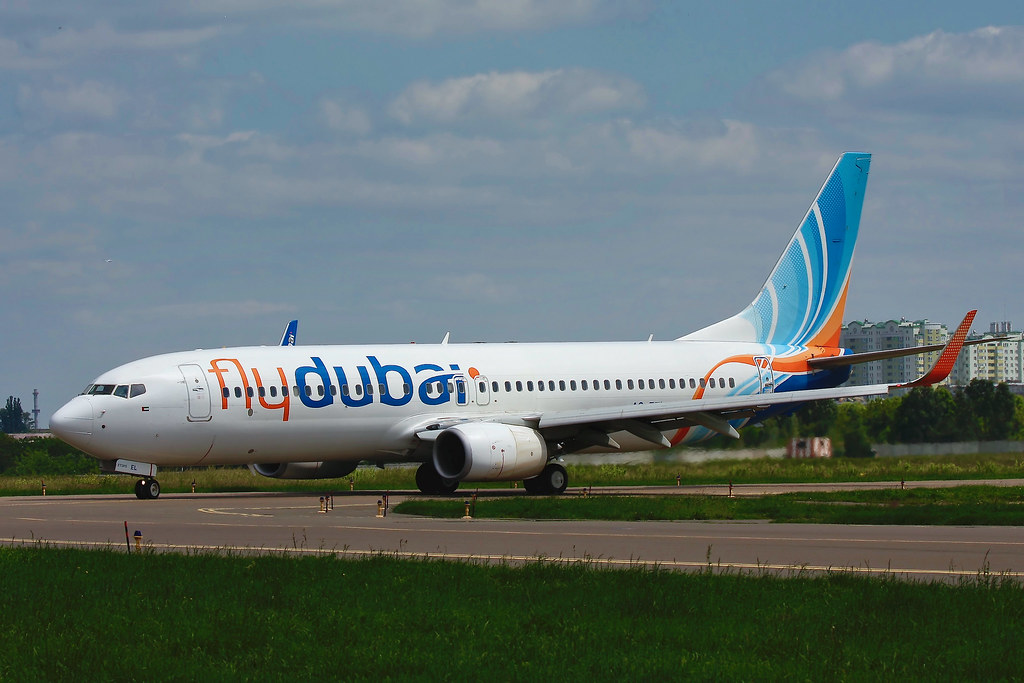
Reacting to the overnight news that Continental and United have agreed to merge, creating the world’s largest airline, satirist Scott Ott coins a new term: “Too big to fly.”
He’s kidding, of course, but in humor, as in wine, there’s often much truth. From the NYT’s non-satirical account:
The all-stock deal would form a coast-to-coast American behemoth with a leading presence in the top domestic markets, including New York, Chicago and Los Angeles, along with an extended network to Asia, Latin America and Europe. The deal was completed in a remarkably swift two weeks, and would give the airlines the muscle to fend off low-cost rivals at home and to take on foreign carriers abroad.
[…]
Combined, United and Continental have 21 percent of domestic capacity, in terms of so-called available seat miles, or one seat flown one mile. Delta has a market share of 20 percent. Globally, the merged companies would have a 7 percent market share.
Once upon a time, this sort of thing would have been subject to enormous scrutiny from federal anti-trust regulators. The merger of behemoths is rather obviously very bad for consumers. And, in this case, that’s the whole point:
For consumers, the merger could eventually result in higher prices. Though the new company does not intend to raise fares, according to people briefed on the matter, one of the rationales for airline mergers is to cut capacity. That reduces the number of seats in the industry and allows airlines to increase fares.
In addition, United and Continental will no longer be competing against each other on some routes, allowing them to save money but offering travelers fewer options.
“Airlines are struggling to find a business model that makes sense,” said Scott Sonenshein, an assistant professor at the Jones Graduate School of Business at Rice University. “Consolidation gives them more leverage. As a consumer, you will have less choices, fewer routes, higher prices and more fees.”
Oh, and it’s going to make it harder for the now-comparatively-smaller airlines to compete, possibly expending United’s advantage.
The merger would put pressure on American Airlines, which was once the market leader, but which would drop to third place. While American’s executives say they do not feel threatened by industry mergers, Wall Street analysts have been displeased by the company’s performance.
US Airways, which three weeks ago began its own merger talks with United, is now left on the sidelines, raising questions about its ability to survive as a stand-alone carrier.
Further, playing off Scott’s riff, doesn’t this merger make the new United too big to fail? There’d be one fewer carrier able to swoop in an take up their routes, after all, and more people whose jobs are directly or indirectly tied to the company’s success.
But I’m not getting any sense that this will have any real trouble going through, even with a Democratic president and in an environment that’s particularly hostile to big business and free markets. [Note: I mean this in a comparative sense. The push toward deregulation began under Jimmy Carter and has continued pretty much unabated until now. The financial crisis and global recession, not to mention the ensuing bailouts, have created huge pressures to break up megafirms and constrain the excesses most blame for the economic mess.] Yes, Jad Mouawad and Michael De La Merced note — deep in their report — that “Unlike the Bush administration’s six-month review of the Delta-Northwest deal, analysts expect a lengthier and more complex review of this merger,” there’s good reason to believe the deal will make it:
Still, in the last decade fares in the United States have declined because of pressure from low-fare airlines like Southwest Airlines and JetBlue Airways, as well as lower passenger demand. As a result, previous mergers have had a muted effect on ticket prices, especially on routes served by low-fare carriers.
Even with the steep cuts made in the last two years, airlines are still losing money, with too many seats chasing too few passengers. For much of the last decade they have suffered a succession of powerful blows — from the terrorist attacks of 9/11 to rapidly rising fuel costs and the recession. They have also been straining to keep up with low-fare competition.
That can’t continue indefinitely, though. Certainly, I’ve noted a pretty sharp increase in fares of late — precisely in the less competitive routes. DC to Atlanta remains fairly reasonable. DC to Minneapolis, though, not so much. With fewer carriers competing on the basis of price for what has become a commodity service, I expect the trend to continue.