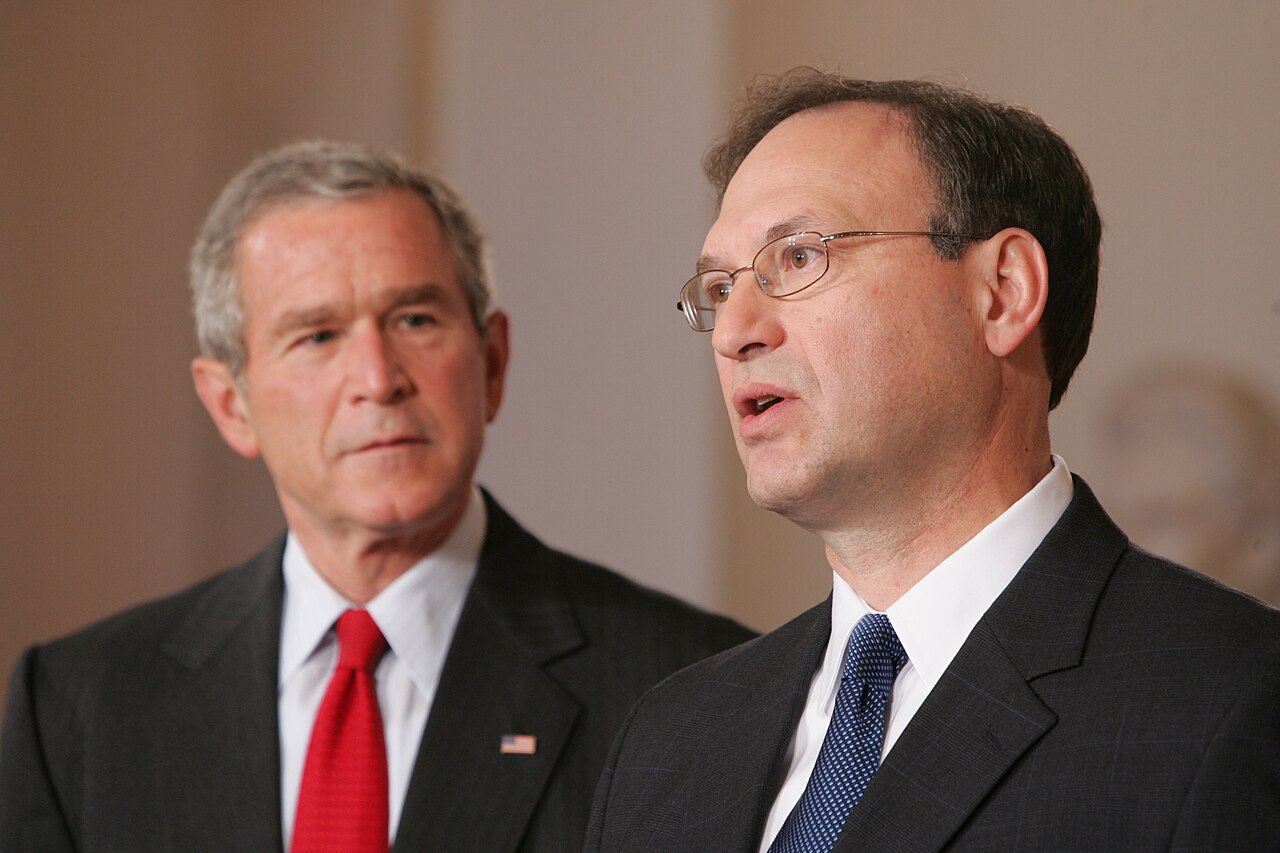
David Broder argues that, like Bill Clinton in 1994, George W. Bush is using the loss of Congress in midterm elections to reassess his tactics and thereby mounting a surprising political comeback. In addition to some deft moves in deflecting the debate over his proposed Iraq troop surge, Broder believes Bush is broadening his support by reaching out and making nice:
He has been far more accessible — and responsive — to the media and public, holding any number of one-on-one interviews, both on and off the record, leading up to Wednesday’s televised news conference. And he has been more candid in his responses than in the past.
While forcefully making his points, he has depersonalized the differences with his critics and opponents. He has not only vouched for the good intentions of congressional Democrats, he has visited them on their home ground, given them opportunities to question him face to face, and repeatedly outlined areas — aside from Iraq — where he says they could work together on legislation: immigration, energy, education, health care, the budget.
Given Nixonian poll numbers and the most unpopular war in more than thirty years, simple regression to the mean should bring Bush’s public standing up. Big Tent Democrat is right, too, that the new majority is likely overplaying its hand, which will bring the president’s relative standing up. To extend Broder’s comparison, Newt Gingrich and company did as much as Bill Clinton to restore the latter’s standing.
Joe Gandelman sees this happening now, as the new congressional majority is forced to take action rather than merely criticize, thus risking alienating their base, moderate voters, or both.
That’s all right, I think. Bill Clinton had two advantages, though over Bush, in his attempt to regain “relevance.” First, Clinton was a great communicator and natural empath who was able to charm his way back into the public’s good graces. Bush has his moments but he’s mostly still incredibly awkward in his public appearances. Second, Clinton was riding the wave of peace and prosperity occasioned by the end of the Cold War and the emergence of the World Wide Web almost at the exact moment he assumed the presidency. Bush inherited a post-bust economy and the 9/11 attacks then got bogged down in a nasty guerrilla-terrorist war in Iraq. Under those conditions, he’s can only bounce so high.