
My initial reaction to the NYT headline “The Biden administration, under fire for supply chain woes, says stores will be fully stocked for the holidays” was that the President is making promises he can’t keep. Indeed, that was the subhed of this post even after I read enough of the story to decide it was worth taking the time to blog.
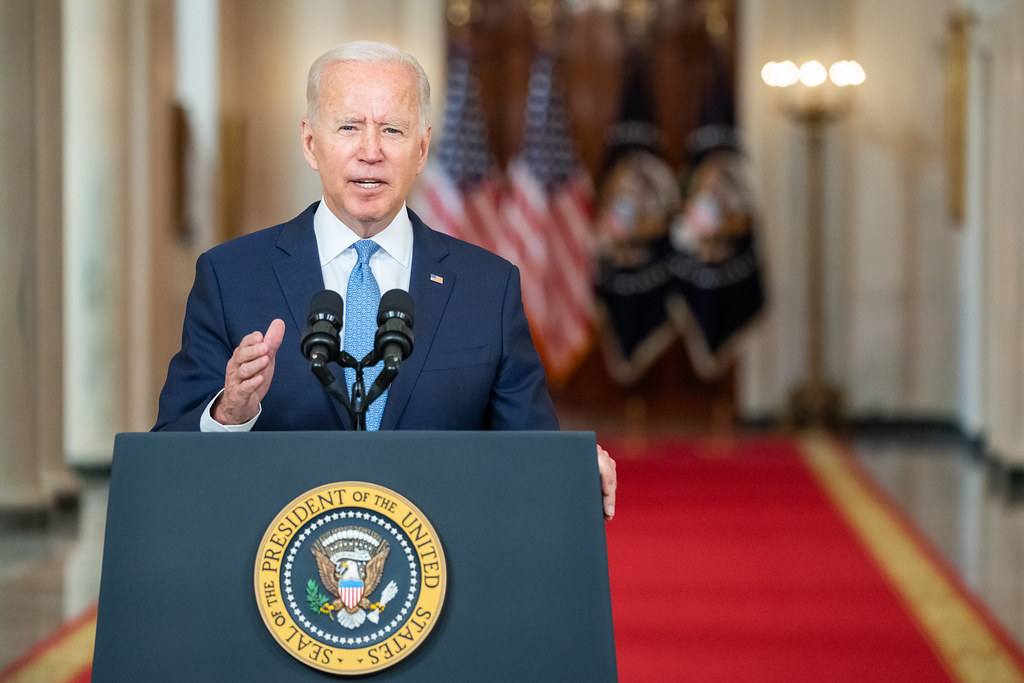
President Biden told executives from some of the nation’s largest retailers on Monday that his administration was committed to partnering with them to untangle supply chains and ensure that American consumers can find everything they want this holiday season, as a surge in shopping tests an already strained global delivery system.
[…]
The meeting was part of a larger effort by the president to show he is doing everything he can to combat inflation and ensure a more normal holiday shopping season as Covid-19 continues to persist. Mr. Biden has made a push to unclog ports, address trucker shortages and take other steps to alleviate the pressure created by consumers looking to buy couches, cars and electronics instead of eating out or going to theme parks.
But the White House has limited reach to affect a supply chain that is controlled by private companies and shaped by larger forces, like the pandemic and consumer demand.
Still, top officials tried to reassure a nervous public on Monday that consumers would be able to purchase what they want.
“There are going to be toys on your shelves,” Jen Psaki, the White House press secretary, told reporters after noting that Black Friday sales were up by nearly a third this year in preliminary estimates. “There is going to be food in your grocery stores.”
Shipping costs have begun to recede slightly from stratospheric highs as West Coast ports work to reduce congestion. Officials announced new measures on Monday to incentivize night and weekend container pickup at ports, and they highlighted data showing a continued decline in the backlogs of unloaded containers.
But many trade experts say the supply chain crisis is far from over. Extraordinarily high demand in the United States for products made in Asian factories, combined with a shortage of truckers and warehouse workers, means supply chain issues are likely to be long-lived.
Phil Levy, the chief economist at Flexport, a freight forwarder, said that the organization’s data “does not show things getting much better. Not yet.”
He said the dramatic increase in demand in the United States for goods had created a backlog of orders that will take months to fulfill. Congestion could even persist through next year, he said, unless an early end to the pandemic or a market crash suddenly encourages Americans to curtail their spending.
While I don’t blame Biden—or, hell, even former President Trump—for the supply chain mess, it struck me as foolish for him to tell the American people that he was going to somehow fix it within the next few days. It just struck me as an unnecessary own-goal.
Then I read the next paragraph:
While companies of all sizes continue to face shipping delays and elevated transportation costs, most major retailers have said they expect their shelves to be fully stocked during the holidays. Companies have gone to extraordinary measures to procure goods in time for the holidays, including chartering their own vessels and shipping products by air instead of by sea.
That’s the eleventh paragraph (granted, newspaper paragraphs can be quite short). And yet it completely changes the story!
So, basically, the President is promising to do all he can to partner with businesses to hasten up the opening of the supply chains and his people are reassuring the American people that these issues won’t impact their ability to put food on the holiday table or toys under the Christmas tree because retailers have already ensured that will be the case. If anything, he’s taking credit for something he had nothing to do with, which is a time-honored tradition of effective politicians everywhere.