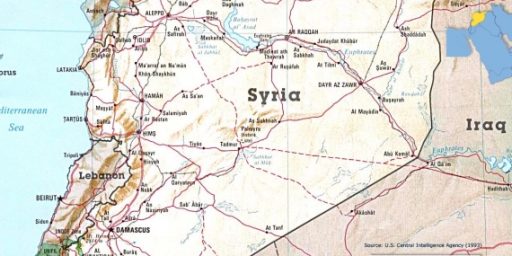
Is the Syrian Military Fracturing?
It appears that the Syrian military is starting to fracture. Exactly how widespread this is remains to be seen.
It appears that the Syrian military is starting to fracture. Exactly how widespread this is remains to be seen.
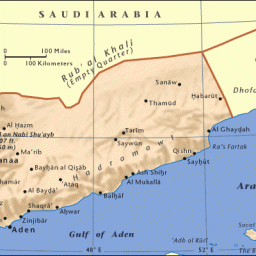
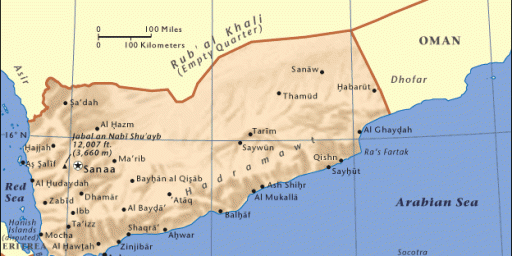
American drone strikes in Yemen are intensifying. Is this a new war. or just the same one we’ve been fighting since October 2001?


Some people still think Mitt Romney’s religion is a relevant issue.


Sure, there’s a lot of crap out there. But it’s easier to find good information and engage with experts than ever.
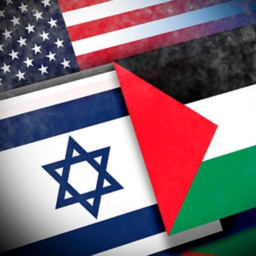

I get the impression that a lot of people don’t even know what “the 1967 borders” are or why they tend to be considered the logical point of departure for any type of peace negotiations.
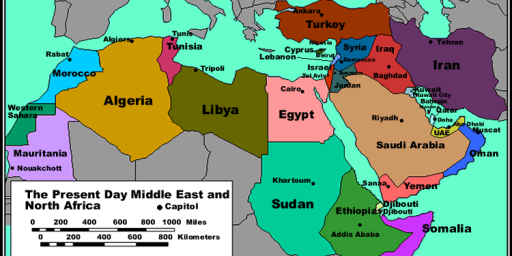
A summary of the status of the “Arab Spring” uprisings with links to news coverage and commentary.
The US-Israeli relationship is not one of equals.
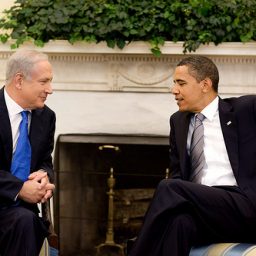
President Obama doubled down in his speech before this year’s AIPAC conference. Why he did so only he understands.


Once again, an American President thinks he can bring peace to the Middle East.


Foreign Policy’s David Kenner has a reading list for President Obama to help him get read for his big speech to recast our relationship with the Arab world. Topping the Persian Gulf section is Crossroads Arabia, by our own John Burgess.
Texas Congressman Ron Paul, who will enter the Presidential race tomorrow, says he wouldn’t have tried to have Osama bin Laden killed.
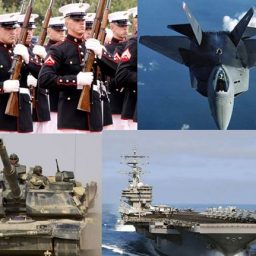

I’ve begun to wonder about the future of U. S. security policy. This isn’t a serious analytical post; it’s just what I call “musing”—committing disorganized thoughts to writing.
Did a deal between the U.S. and Pakistan during the infancy of the war against al Qaeda play a role in the raid against Osama bin Laden?
Pakistan is trying to explain how the world’s most wanted man was able to hide in plain sight for six years, and failing badly.
Bin Laden spent the last half-decade in a compound where his only contact with the outside world was a few couriers.


Congress is coming back to Washington and gas prices continue to rise. Expect a lot of demagoguery, but very little in the way of solutions.
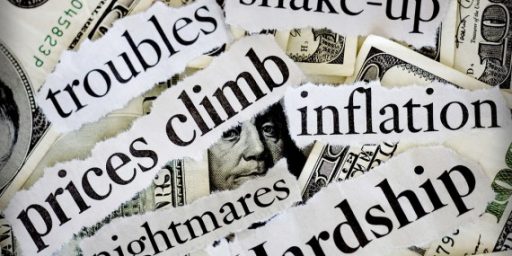
Will days of strong economic growth ever return? And what happens if they don’t?
An aide’s compliment about the president “leading from behind” has generated controversy.

President Obama is suffering in the polls because of high gas prices, but is there really anything he can do about them?


The NYT says it’s time for U. S. advisers and military air traffic controllers on the ground in Libya.
Events in Syria, and the world’s response to them, are revealing the moral bankruptcy of the justification for the war in Libya.
Is there a magic formula to fix soaring gas prices? A Washington Examiner editorial claims to have found it.
Francis Fukuyama: “In the developed world, we take the existence of government so much for granted that we sometimes forget how difficult it was to create.”
Stephen Walt doesn’t expect Obama’s foreign policy to change along with the names on the org chart.