
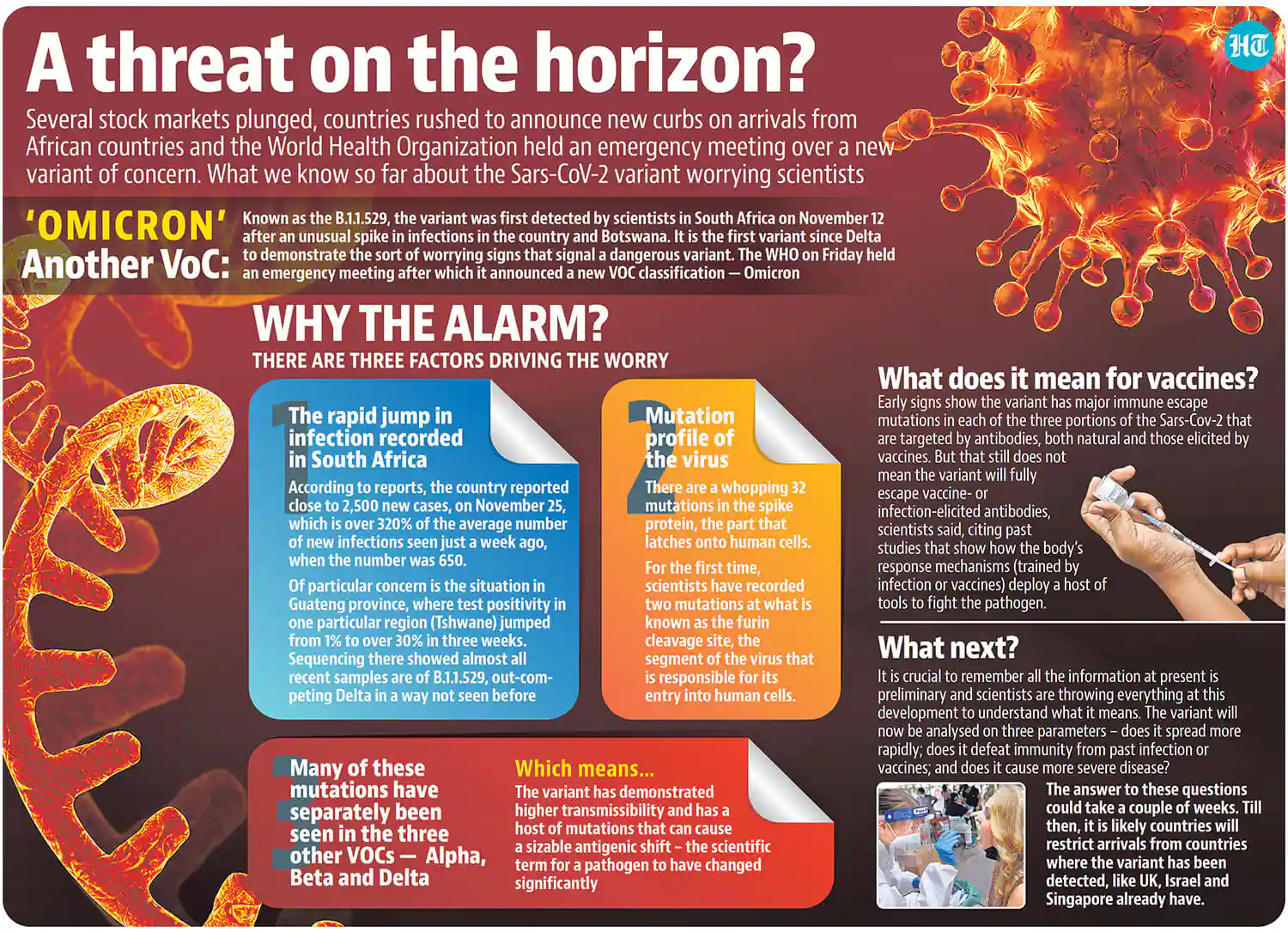

At NYT, David Leonhardt proclaims “Omicron Is in Retreat.” His evidence is familiar and reassuring.
BLUF:
The latest Omicron developments continue to be encouraging. New Covid-19 cases are plummeting in a growing list of places. The percentage of cases causing severe illness is much lower than it was with the Delta variant. And vaccines — particularly after a booster shot — remain extremely effective in preventing hospitalization and death.
More granularly:
Since early last week, new cases in Connecticut, Maryland, New Jersey and New York have fallen by more than 30 percent. They’re down by more than 10 percent in Colorado, Florida, Georgia, Massachusetts and Pennsylvania. In California, cases may have peaked.
“Let’s be clear on this — we are winning,” Mayor Eric Adams of New York said yesterday. Kathy Hochul, the governor of New York State, said during a budget speech, “We hope to close the books on this winter surge soon.”
If anything, the official Covid numbers probably understate the actual declines, because test results are often a few days behind reality.
[…]
The U.S. seems to be following a similar Omicron pattern as South Africa, Britain and several other countries: A rapid, enormous surge for about a month, followed by a rapid decline — first in cases, then hospitalizations and finally deaths.
Further,
Some of the clearest research on Covid’s risks comes from a team of British researchers led by Dr. Julia Hippisley-Cox of the University of Oxford. The team has created an online calculator that allows you to enter a person’s age, vaccination status, height and weight, as well as major Covid risk factors. (It’s based on an analysis of British patients, but its conclusions are relevant elsewhere.)
A typical 65-year-old American woman — to take one example — is five foot three inches tall and weighs 166 pounds. If she had been vaccinated and did not have a major Covid risk factor, like an organ transplant, her chance of dying after contracting Covid would be 1 in 872, according to the calculator. For a typical 65-year-old man, the risk would be 1 in 434.
Among 75-year-olds, the risk would be 1 in 264 for a typical woman and 1 in 133 for a typical man.
Those are meaningful risks. But they are not larger than many other risks older people face. In the 2019-20 flu season, about 1 out of every 138 Americans 65 and older who had flu symptoms died from them, according to the C.D.C.
And Omicron probably presents less risk than the British calculator suggests, because it uses data through the first half of 2021, when the dominant version of Covid was more severe than Omicron appears to be. One sign of Omicron’s relative mildness: Among vaccinated people in Utah (a state that publishes detailed data), the percentage of cases leading to hospitalization has been only about half as high in recent weeks as it was last summer.
For now, the available evidence suggests that Omicron is less threatening to a vaccinated person than a normal flu. Obviously, the Omicron wave has still been damaging, because the variant is so contagious that it has infected tens of millions of Americans in a matter of weeks. Small individual risks have added up to large societal damage.
This is, indeed, hopeful news. Signs have been pointing in this direction for weeks now and many, myself included, have expressed hope that the combination of vaccinations and natural immunity from relatively low-impact infections would wipe this thing out.
But, as the Wolf cautions, let’s not start celebrating just yet. Daily new cases and daily new deaths in the US are still are near-peak highs. Hospitals are still having trouble meeting the demand for new COVID patients. And, while Omicron certainly seems far less deadly than Delta and other previous incarnations, “natural immunity,” much like the “immunity” conferred by vaccination, is far from total or permanent. [For new readers: I’m vaxxed and boosted as are my family members and strongly advocate people get their shots. But the reality is that breakthrough cases exist and immunity, even from boosters, seems to decline relatively quickly.]
There’s room for hope that this is the beginning of the end. But it would be foolish, indeed, to condition our public health policy or our personal behavior based on these hopes. Indeed, doing so might well lead to a self-negating prophecy. It’s certainly no time to let up on masking—indeed, we should all be in K/N95s now—and boosting.
Nor is there any guarantee that whatever variant follows Omicron will be as mild or milder. And, while the developed world is vaccinated and boosted at disappointing levels, it’s light years beyond where most of the Global South is. New strains will continue coming.









