The controversial Vietnam-era practice of reporting enemy body counts as a way of guaging progress has quietly been revived by military leaders.
Enemy Body Counts Revived (WaPo, A1)
Eager to demonstrate success in Iraq, the U.S. military has abandoned its previous refusal to publicize enemy body counts and now cites such numbers periodically to show the impact of some counterinsurgency operations.
The revival of body counts, a practice discredited during the Vietnam War, has apparently come without formal guidance from the Pentagon’s leadership. Military spokesmen in Washington and Baghdad said they knew of no written directive detailing the circumstances under which such figures should be released or the steps that should be taken to ensure accuracy. Instead, they described an ad hoc process that has emerged over the past year, with authority to issue death tolls pushed out to the field and down to the level of division staffs.
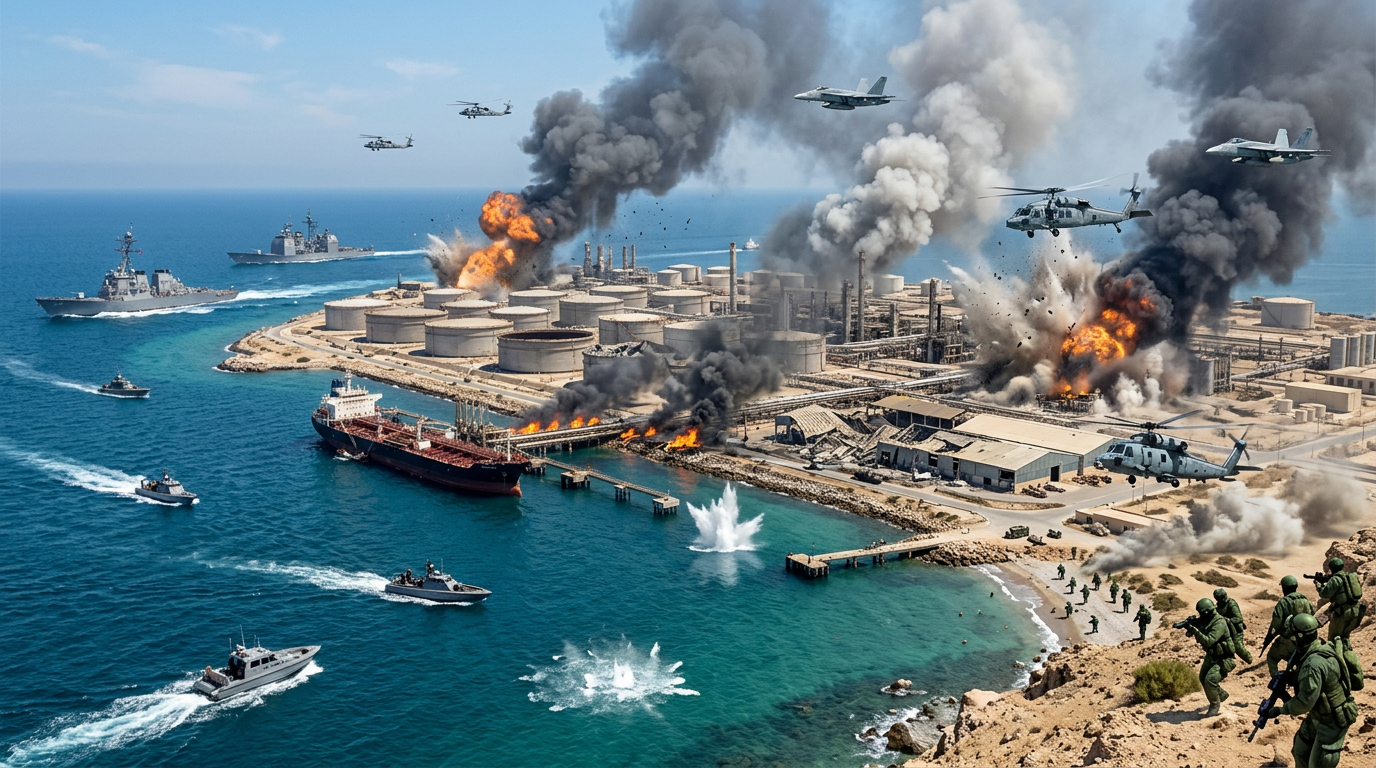
So far, the releases have tended to be associated either with major attacks that netted significant numbers of enemy fighters or with lengthy operations that have spanned days or weeks. On Saturday, for instance, the U.S. military reported 20 insurgents killed and one captured in raids on five houses suspected of sheltering foreign fighters in a town near the Syrian border. Six days earlier, the 2nd Marine Division issued a statement saying an estimated 70 suspected insurgents had died in the Ramadi area as a result of three separate airstrikes by fighter jets and helicopters. That Oct. 16 statement reflected some of the pitfalls associated with releasing such statistics. The number was immediately challenged by witnesses, who said many of those killed were not insurgents but civilians, including women and children.
Privately, several uniformed military and civilian defense officials expressed concern that the pendulum may have swung too far, with body counts now creeping into too many news releases from Iraq and Afghanistan. They also questioned the effectiveness of citing such figures in conflicts where the enemy has shown itself capable of rapidly replacing dead fighters and where commanders acknowledge great uncertainty about the total size of the enemy force.
The use of the “body count” is problematic on a number of levels. First and foremost, as noted in the piece, its association with Vietnam has forever tainted it. This is doubly true in a counter-insurgency operation that has many critics citing inaccurate comparisons with that conflict. Moreover, it takes the focus away from the real mission at hand: providing security, establishing a self-sustaining government, and building trust. Killing insurgents may be a necessary means to all of those things but it is not an end to itself.
That said, it’s hard to blame the military for using these numbers when talking to reporters. People like statistics because they have an air of scientific precision. Given that the papers are full of figures of how many people are killed in each and every terrorist/insurgent attack, the desire to provide countervailing evidence is understandable.