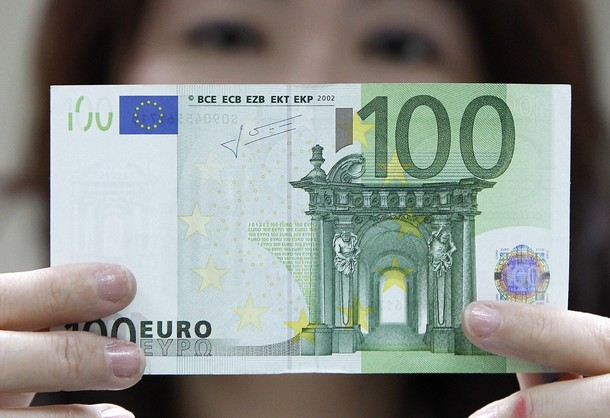
 After months of dithering on a Greek bailout that no one thinks will work, European leaders — seemingly out of nowhere — agreed to a €750 billion reserve fund to bolster the Euro.
In my New Atlanticist piece, “Trillion Dollar Bet on the Euro,” I round up the expert commentary and wonder whether this stunning development is a one-off or a signal of major reform to come. My strong inclination is to wager on the latter.
NYU economist Nouriel Roubini, famous for predicting the financial crisis during the fattest days of the bubble, predicts a “double dip” for Europe, telling Spiegel, “The Continent is vulnerable to falling back into recession. Even before the Greek shock, the outlook was rather moderate, but now euro zone growth is closer to zero.”
And FT’s Gideon Rachman is particularly scathing:
Many have come to regard early retirement, free public healthcare and generous unemployment benefits, as fundamental rights. They stopped asking, a long time ago, how these things were paid for. It is this sense of entitlement that makes reform so very difficult. As the British election has just amply illustrated, politicians are extremely reluctant to confront voters with the harsh choices that need to be made.
It’s a good thing that could never happen here in America, what with our Protestant work ethic and pioneer, can-do spirit.
Photo credit: Reuters Pictures.