NYT (“Inside Elon Musk’s $276 Million Midterm Rescue Mission for Republicans“):
Elon Musk has quietly funneled more than $276 million into Republican groups and his super PAC since the start of July, building a huge turnout operation to help the party battle headwinds in the midterm elections.
The staggering amount of money makes Mr. Musk, the richest person in the world, by far the largest known donor in the midterms. Representatives for Mr. Musk supplied the previously unreported figures on his political giving to The New York Times before a federal filing deadline on Thursday.
In an effort to save Republicans’ Senate majority, gave a total of $158 million this summer to the Senate Leadership Fund, the main super PAC backing the party’s candidates for the chamber, according to his team. In sum, that is one of the largest political donations in American history, and more than the group’s Democratic rival raised from all of its donors that quarter.
Mr. Musk has also built a major Republican turnout operation through a super PAC he founded in 2024, America PAC. He donated over $76 million this summer to the group, which in turn spent that much on building a sprawling canvassing program to try to turn out hard-to-reach Republican voters. The group is active in seven Senate battlegrounds and nearly three dozen House races.
Mr. Musk has already given far more money, about $366 million, to federal committees during the 2025-26 election cycle than he did during the 2024 election, when he laid out roughly $290 million to help return President Trump and Republicans to power. He has given even more in undisclosed donations during both elections, according to people briefed on the giving.
The latest torrent of spending has helped give the Republican Party a financial advantage in the midterms, as well-funded outside groups like Mr. Trump’s powerful super PAC flood the airwaves with advertising in the final weeks. No Democratic billionaire is spending nearly as much as Mr. Musk, and money remains a central worry for the party in an otherwise favorable political environment.
The donations also clear up the mystery of how much staying power Mr. Musk wants to have in American politics.
$656 million—that we know of—over two cycles is, well, a lot of money. And, certainly, it buys Musk a lot of influence.
Mr. Musk, who oversees a vast business empire that has benefited from enormous federal contracts, is famously unpredictable and often jumps from one project to another. He has been far quieter about his political work since his dramatic blowup with Mr. Trump last year. After months of wielding vast influence inside the White House and overseeing Mr. Trump’s government cost-cutting project, he raged against the president’s major domestic policy bill and floated threats to start a third party.
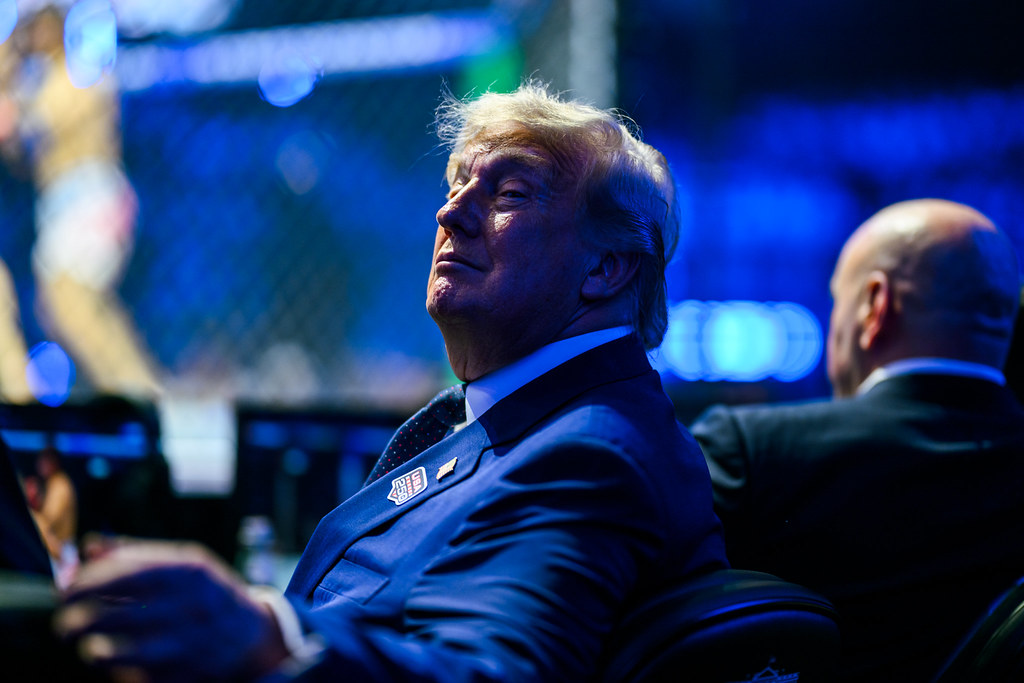
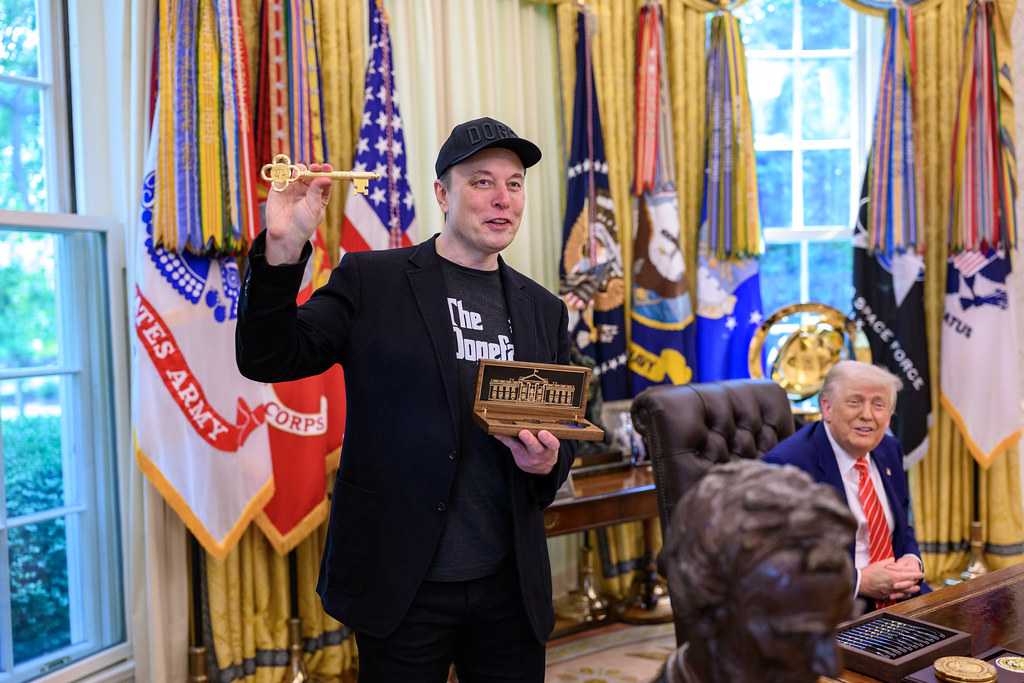
But the two men have warmed back up, appearing together at three events in the last two weeks and praising each other.
To the extent we want our elected representatives to represent us rather than a handful of rich donors, that’s troublesome.
That said, Musk’s $366 million is still a small fraction of the overall spending in this cycle. Through June 30, Congressional candidates had spent a little over $2 billion, party committees a little over a billion, and PACs a little over $6.5 billion. That’s roughly $9.6 billion disbursed. And they combined to raise just under $12.5 billion. And, again, that’s just through the end of June.
So, while Republican candidates and their party apparatus are certainly happy to have Musk’s cash, it still amounts to a rounding error in the overall campaign expenditures. It’s unlikely to make much difference in the outcome. Indeed, I suspect we’re well past the point of diminishing returns on advertising for this cycle.
And one wonders whether influence peddling works both ways. Democrats will likely take back at least one, and possibly both, Houses of Congress in less than three months. It wouldn’t surprise me in the least if they applied extra scrutiny to government contracts with Musk’s companies.