In a somewhat surprising move, the Supreme Court has denied the appeals that were filed in all of the same-sex marriage cases before it, meaning that same-sex marriage is now legal in five states and will likely soon be legal in six others:
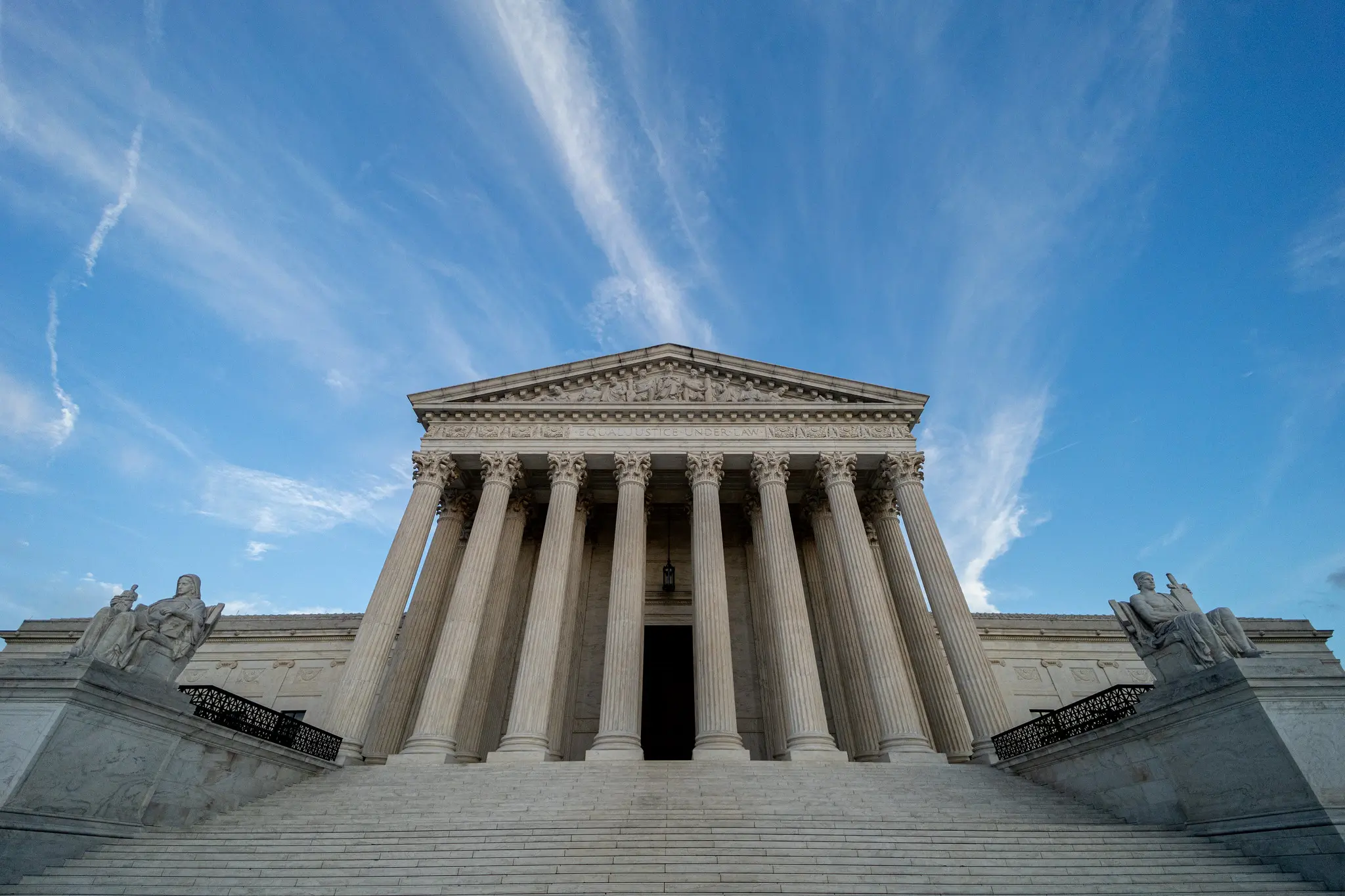
WASHINGTON — The Supreme Court on Monday denied review in all five pending same-sex marriage cases, clearing the way for such marriages to proceed in Indiana, Oklahoma, Utah, Virginia and Wisconsin.
The move was a major surprise and suggests that the justices are not going to intercede in the wave of decisions in favor of same-sex marriage at least until a federal appeals court upholds a state ban.
The move will almost immediately increase the number of states allowing same-sex marriage from 19 to 24, along with the District of Columbia.
The justices had earlier acted to stop same-sex marriages in Utah and Virginia, issuing stays to block appeals court rulings allowing them. Other appeals court decisions had been stayed by the appeals court themselves.
The all but universal consensus from observers of the Supreme Court had been that the stays issued by the justices indicated that the justices wanted the last word before federal courts transformed the landscape for same-sex marriage. But in recent remarks, Justice Ruth Bader Ginsburg said there was no urgency for the court to act until a split emerged in the federal appeals courts, all of whose recent decisions have ruled in favor of same-sex marriage.
The immediate effect of this ruling is that same-sex marriage will become virtually instantly legal in the five states whose laws were the subject of the appeals before the Court; Virginia, Utah, Oklahoma, Wisconsin and Indiana. That will happen as soon as the stays that were put in place after the respective Circuit Court rulings in each case are lifted. Additionally, the rulings in the cases that dealt with these state laws will become law will become the law in the three Circuits where the rulings were made. These states include West Virginia, North Carolina, South Carolina, Colorado, Wyoming, and Kansas. In those cases, the process may take a little longer because it will take action by the Courts that are considering same-sex marriage bans in those states to strike down the laws, this could potentially be done sua sponte by the Courts in question or on motion by the parties challenging the laws. In either case, though, the District Court Judges involved in these cases are effectively bound by the decisions of their respective Circuit Courts and any ruling in disagreement with those decisions would likely quickly be set aside on the Circuit Court level. This impact on the laws in other states could happen relatively quickly, or it could take some time depending on how quickly the Courts and the parties move in each case. However long it takes, though, we are essentially now at the point where legal recognition of same-sex marriage is the law of the land in eleven additional states, bringing the nationwide total up to 30 states, plus the District of Columbia and several Indian Reservations where Tribal Courts have ruled in favor of marriage equality. Incidentally, there are two states that are covered by this ruling, Illinois and New Mexico, where the ruling is somewhat without meaning since they have already legalized same-sex marriage through either legislative or state court action.
This development comes as something of a surprise given that most legal observers had expected that the Court would eventually accept one or more of the cases before it, not the least because in each of those cases both sides of the case had filed briefs urging the Court to accept the case so that the issue could receive a final resolution. When I wrote about the issue in July when it first became apparent that, at the very least, the cases from the 10th and 4th Circuits would be headed for Supreme Court review, I was personally expecting that this is just what would happen. The lack of a Circuit split was certainly an argument against the Court accepting the appeals, of course, but some legal scholars had argued that there already was a split between the Circuits based on a 2006 ruling from the Eighth Circuit Court of Appeals that found that there was no Constitutional right to same-sex marriage. That ruling, however, was handed down before the Supreme Court’s decision in United States v. Windsor, which has been the impetus for the long string of court opinions since July 2013 that have struck down state laws banning same-sex marriage, so it was unclear whether the Justices would consider that to be relevant when it came to determining if there is a split among the Circuit Courts of Appeal. These denials would suggest that they did not.
Since there are no opinions issued regarding these denials, we cannot be sure exactly why the Justices declined to hear these cases. The best we can say that we know is that there were not four Justices who were willing to vote in favor of accepting the appeals on either side of the ideological divide notwithstanding the argument that some had made that either the four liberals or the four conservatives would see this as an opportune time to resolve the issue. In retrospect, however, I think Jonathan Adler is correct in his observation that the lack of a Circuit split should not have made an outcome like this surprising. This is would seem to be especially true in light of the remarks that Justice Ginsburg last month in which she seemed to pour some cold water on the idea that we’d see some kind of immediate resolution of this issue from the nation’s highest court. In those remarks, Ginsburg specifically mentioned the circuit split issue in talking about the criteria that the Court looks to in deciding whether or not to take a case, and also told the audience to pay attention to what happens in the Sixth Circuit. Ginsburg was referring in that remark to a series of cases before the Sixth Circuit Court of Appeals dealing with the marriage laws of four states. The Court heard those appeals exactly two months ago today, but has yet to issue a ruling. Many observers at the time, however, came away from oral argument believing that it was quite possible that the Sixth Circuit would decide to uphold the state laws before it, as recently happened with a U.S. District Court Judge in Louisiana. If that happened, obviously, there would be the Circuit split that doesn’t exist today. At the time of Ginsburg’s remarks, I posited that the Court could hold on to the appeals that it denied today until the Sixth Circuit has ruled, but obviously the Justices did not feel inclined to do that.
Without question, today’s developments are good news for those fighting against laws barring same-sex marriage nationwide. While a Supreme Court ruling on the issue would have obviously had a much greater and more immediate impact on the nation, at the very least the Court’s action-by-inaction will have the effect of greatly expanding the number of states in which same-sex marriage is legal to the point where it will eventually encompass a majority of the states. Additionally, while the denial of an appeal by the high court does not have any binding value as precedent, it’s probable that Judges outside of the affected Federal Circuits will see it as a signal to the the Judiciary of where the Court would head on this issue if the time ever came that it did have to issue a ruling. Obviously, that time is likely to come much sooner if the Sixth Circuit or another Circuit rules in favor a a state-law ban on same-sex marriage, possibly even before the end of the term that began today. At the very least, though, it strikes me that, while it falls short of the marriage equality movement’s Loving v. Virginia at this time, today’s developments will only hasten the day when same-sex marriage is legal nationwide. Whether that happens through one Supreme Court ruling or through ruling in the remaining nine Circuit Courts of Appeal is something that only time will tell.