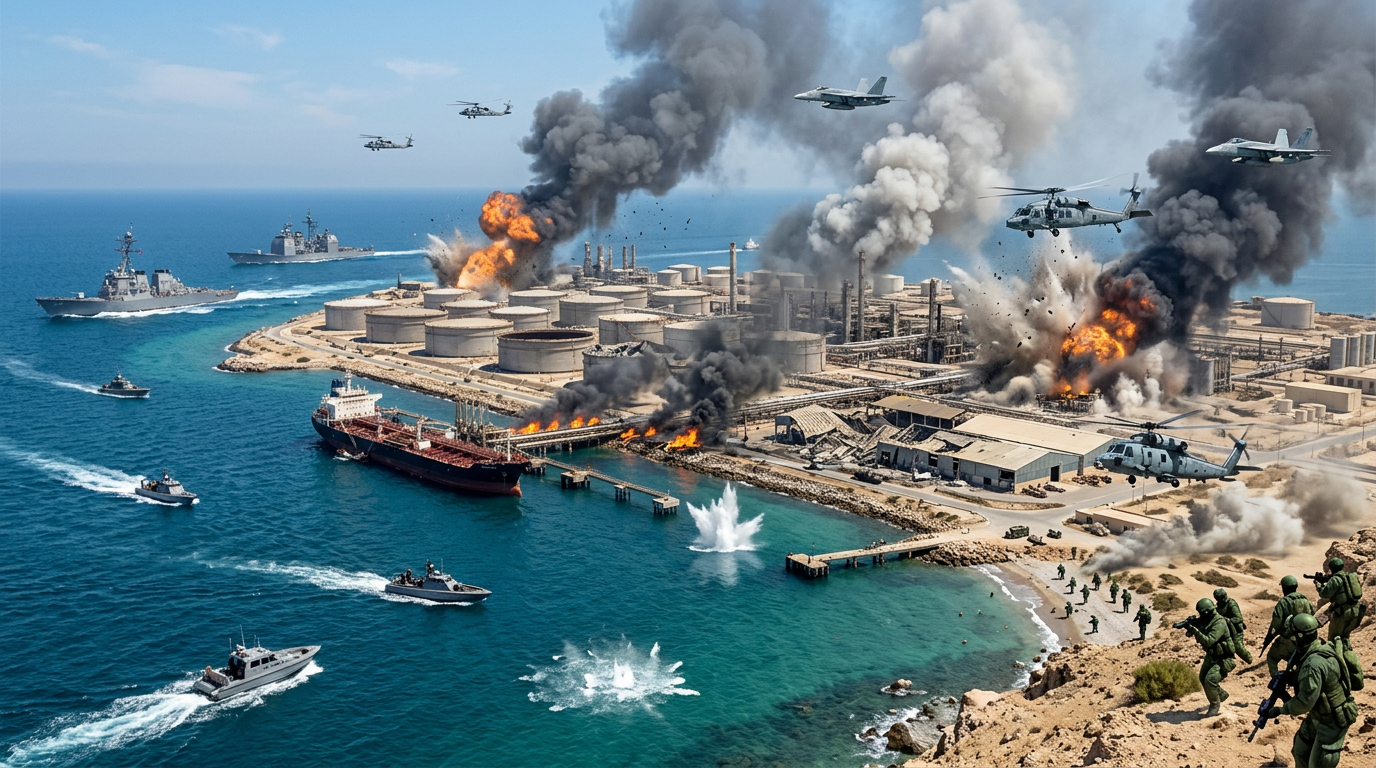
Today’s WaPo editorial argues that the Turkish government has thus far refrained from launching a military strike into northern Iraq in response to repeated incursions by PKK guerrillas because of smart calculations of costs and benefits, not “merely statesmanlike restraint or responsiveness to U.S., European and Arab appeals.” Not only would an invasion be militarily costly with no certainly of accomplishing Turkey’s objectives, but it would be harmful to Prime Minister Recep Tayyip Erdogan’s party domestically.
This leads, however, to a tepid conclusion:
The reality is that the PKK threat cannot be quickly eliminated by military means. Iraqi Kurdish leaders, especially regional president Massoud Barzani, should pressure the PKK to cease any operations across the Iraqi border and to release any Turkish prisoners held in Iraq. The Bush administration should make clear to Mr. Barzani that failing to apply such pressure will endanger relations between the United States and Kurdistan. At the same time, Mr. Erdogan should lower his country’s expectations and his own regarding how much can be done immediately to eliminate the Iraqi bases of the PKK — which is, after all, a Turkish insurgent group that has been active for decades. Neutralizing it will require closer cooperation between Turkish and Iraqi Kurdish authorities, more effective Turkish military operations inside Turkey, and more political reforms in both countries.
That’s the nature of counter-terrrorism and counter-guerrilla operations, generally. Experts like John Robb have counseled that, essentially, these phenomena are akin to crime; we can take measures to protect ourselves and punish perpetrators but they’re simply realities of life. That may well be true.
Politically, however, that’s a mighty hard sell. Patience and resorts to diplomatic efforts will generally get leaders branded as weak and ineffective. It’s far more rewarding to take action and appear tough and decisive, even if failure is the ultimate result.