

WaPo (“U.S., China agree to lower most tariffs for 90 days amid trade talks“):
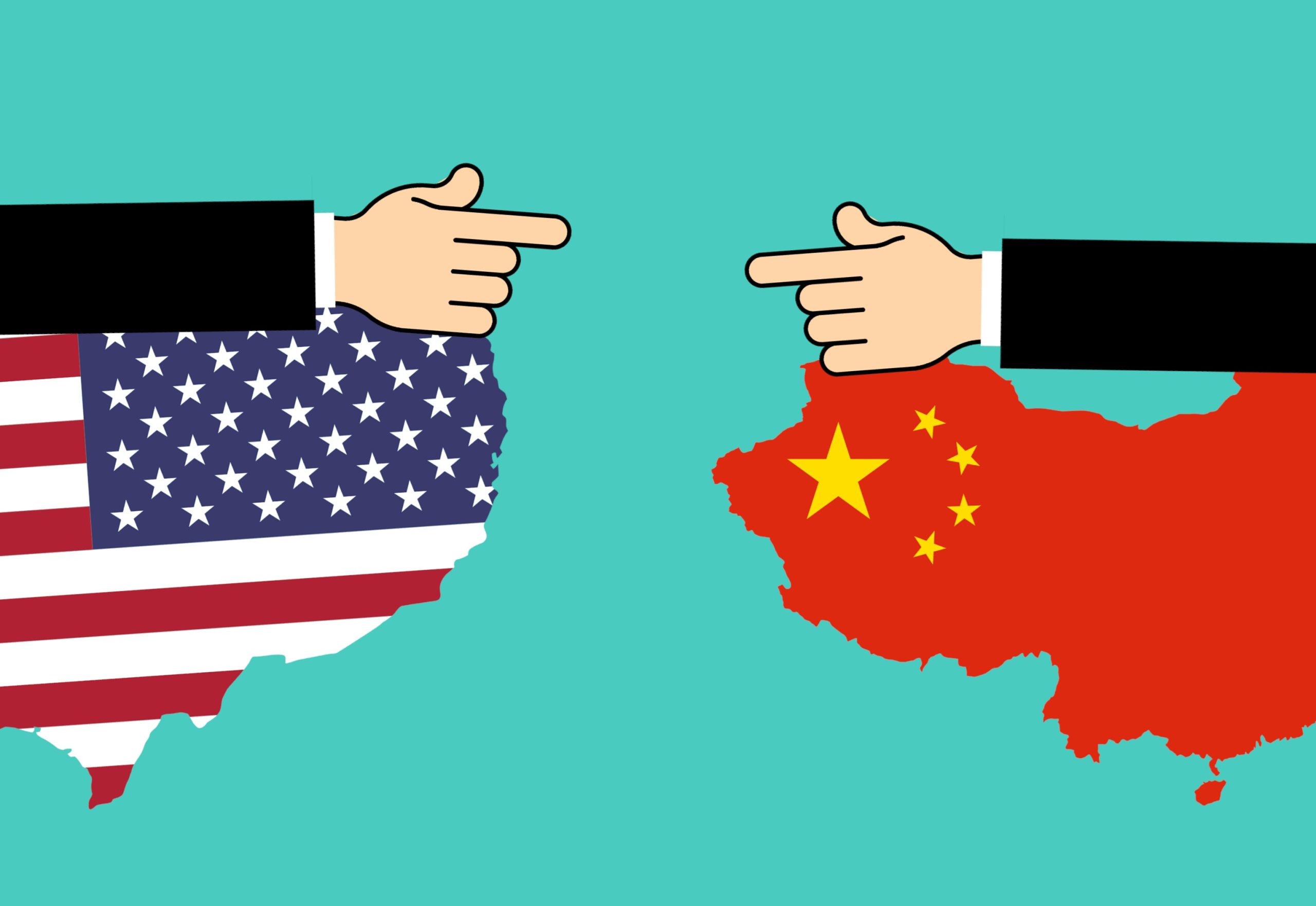
China and the United States have agreed to lower tariffs on goods from each other’s countries for 90 days, offering a temporary reprieve in a trade war that threatens to cause a global recession and deepen a widening rift between the world’s two largest economies.
Treasury Secretary Scott Bessent and U.S. Trade Representative Jamieson Greer said Monday, after weekend talks in Geneva with a Chinese delegation led by Vice Premier He Lifeng, that U.S. tariffs on Chinese goods would be reduced from 145 to 30 percent.
Beijing said it would cut its blanket tariffs on American products from 125 to 10 percent. Both reductions will take effect on Wednesday.
Stock markets across Asia rose on Monday as investors waited for details of the talks, including hopes of a partial rollback of the tariffs. But analysts cautioned that the announcement fell far short of a trade deal and was merely the beginning of more rounds of negotiations.
[…]
“The consensus from both delegations this weekend is that neither side wants a decoupling, and what had occurred with these very high tariffs was the equivalent of a trade embargo, and neither side wants that,” Bessent said in a news conference in Geneva.
“We do want trade. We want more balanced trade and I think both sides are committed to achieving that,” Bessent said, adding that the Trump administration would push for China to open up more to U.S. goods. China’s trade surplus with the United States topped $100 billion last year.
Greer said the two sides had agreed on a pause to continue negotiations, which “both the Chinese and the United States remain very committed to,” but did not offer any clues as to how the underlying issues might be addressed.
[…]
The agreement, although temporary, marks the first tangible move to de-escalate tensions that have been rising since Trump took office in January and almost immediately began imposing tariffs on China.
Since then, Trump and Chinese leader Xi Jinping have been engaged in a high-stakes game of chicken that has seen both sides levying higher and higher duties on the other.
[…]
Analysts said Monday’s joint statement lowers the temperature in their trade war but does little to change the overall direction of deteriorating ties between Beijing and Washington, which are closer than ever to a full economic break.
“It’s a more civilized way to divorce. The bifurcation will continue,” said Alicia Garcia-Herrero, chief economist for Asia Pacific at the investment bank Natixis.
“The deal is not a solution. It’s a smoothing of the impact of the bifurcation, just to happen more slowly and less costly. This meeting is a basically an attempt, hopefully successful, of avoiding a global recession,” she said.
This morning’s episode of The Daily, “A Vulnerable China Comes to the Table,” featured an interview with NYT Beijing bureau chief Keith Bradsher. It’s worth a listen. The transcription won’t be available until tomorrow morning but the gist was:
- China’s economy is in much worse shape than commonly understood
- It’s almost entirely dependent on exports owing to a series of longstanding government policies
- Relatedly, almost all private Chinese assets are invested in real estate, especially apartments and factories, and the bubble burst years ago
- Massive government investments in factories and automation were banking on continued access to the US market
Bradsher is extremely pessimistic that the negotiations will amount to much. While there are marginal compromises to be had, the two governments have mutually incompatible goals. China wants to dominate the world export market and US and EU leaders increasingly want to protect domestic jobs and reduce dependence on China.









