Ross Douthat, examining the controversy over late-term abortions that was brought back into the public spotlight with the murder of Dr. George Tiller, observes:
The argument for unregulated abortion rests on the idea that where there are exceptions, there cannot be a rule. Because rape and incest can lead to pregnancy, because abortion can save women’s lives, because babies can be born into suffering and certain death, there should be no restrictions on abortion whatsoever.
As a matter of moral philosophy, this makes a certain sense. Either a fetus has a claim to life or it doesn’t. The circumstances of its conception and the state of its health shouldn’t enter into the equation.
But the law is a not a philosophy seminar. It’s the place where morality meets custom, and compromise, and common sense. And it can take account of tragic situations without universalizing their lessons.
I think that’s right. Intellectually, it’s impossible to justify both forbidding abortion because we deem it the killing of a human being and yet allowing exceptions if the father is a rapist or pedophile. Because those cases are so extreme — and, frankly, rare — many are nonetheless willing to grant that exception.
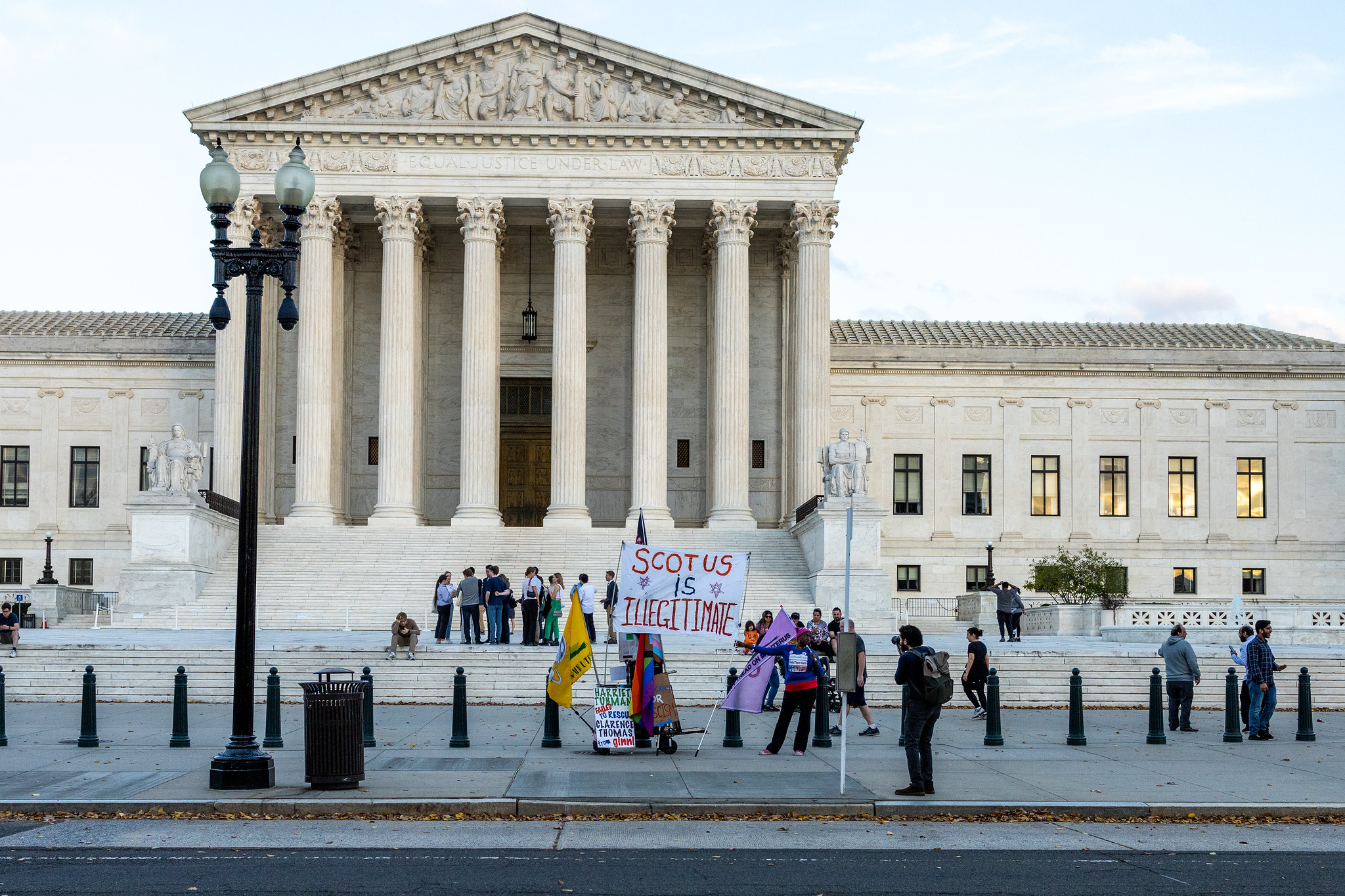
Beyond that, I agree with Ross’ larger point, discussed in parts of the column I didn’t excerpt, that this should be a matter for public debate and consensus rather than judicial dictat. The fact that the Court made up, out of whole cloth, a Constitutional Right to Abortion in 1973 is the primary reason this issue is fought over in such a polarizing, shrill, uncivil manner.
UPDATE: Freddie objects to Douthat’s suggestion that abortion has been taken out of the democratic process.
Setting aside the banal fact that the judicial system is a part of our democratic process, there is a clear, straightforward and well-known way to overturn Roe v. Wade— pass a constitutional amendment criminalizing abortion. That’s how you override Supreme Court decisions; that’s how Dred Scott was effectively overturned. That’s how the federal income tax was passed. There’s a method for overturning Supreme Court law you don’t like, it’s well known, it’s time tested, and it’s as open to abortion foes as it is to anyone else. If anything, a constitutional amendment is more democratic, because it has to be approved by a larger number of representatives and clear more hurdles before it passes.
Under that logic, however, EVERYTHING is theoretically part of the democratic process.
The Constitution was itself essentially an amendment to the Articles of Confederation and passed according to strict guidelines. Subsequently, it has been formally amended 27 times, with 13 of those coming as as two blocs (the Bill of Rights and post-Civil War amendments). The problem with Roe and other clearly activist rulings by the Supreme Court is that it bypasses this process, creating a de facto sitting constitutional convention of nine judges — who then need only a simple majority! To say that, well, the citizenry can simply assemble a huge supermajority and go through a labyrinthine process to overturn the dictat of unelected judges is well beyond the scope of democracy.
To clarify a side discussion going on in the comments, this is entirely a discussion about process rather than results. As a matter of public policy, I’m not horribly distressed with the current state of abortion law, which the Supremes have amended dozens of times since Roe and is based on fetal viability and recognizes the right of society to impose certain limits, especially in late term and with respect to abortions by minor children.