Steve Bainbridge is quite frustrated with the Bush Administration so far, arguing that the war in Iraq has been a boondoggle that has diverted us from more important objectives and that the Republicans in general have spent money like drunken sailors.
We control the White House, the Senate, the House of Representatives, and (more-or-less) the judiciary for one of the few times in my nearly 5 decades, but what have we really accomplished? Is government smaller? Have we hacked away at the nanny state? Are the unborn any more protected? Have we really set the stage for a durable conservative majority?
LaShawn Barber does her best Smokey Robinson impression and “second[s] that emotion.”
Steven Taylor sympathizes, too, but argues that there’s only so much a president can do given the national political climate:
[T]he institutional structures of our national government so lend themselves to pork barrel spending that there is little hope that either party will ever take control of Congress and then actively work to contain spending in any serious fashion. The only solace I have in regards to the Republicans versus the Democrats is the Republicans are willing to cut taxes, while the Democrats are not so disposed, and are more likely to raise them, plus continue to spend. As such, we have the Spend Party and the Spend a Lot Party, we do not have any Spend Less parties.
Meanwhile, Michelle Malkin’s guest blogger Bryan Preston has a long point-by-point refutation arguing that things are a whole lot better than Bainbridge thinks and that Bush is more conservative than Ronald Reagan in many ways.
On the other side of the aisle, Kevin Drum, who more or less agrees with Bainbridge’s criticisms, is under no illusion that Bush is weakening the conservative movement.
Drum and Preston are quite right that Bush is, judging from policy rather than rhetoric, demonstrably more socially conservative than Reagan. On the fiscal side, Taylor hits the nail on the head: The nature of our system (435 House Members serving 435 districts and up for re-election every two years plus 100 Senators representing the interests of 50 states) is such that the courage to pursue fiscal austerity is quite unlikely to manifest itself, let alone persist for any length of time.
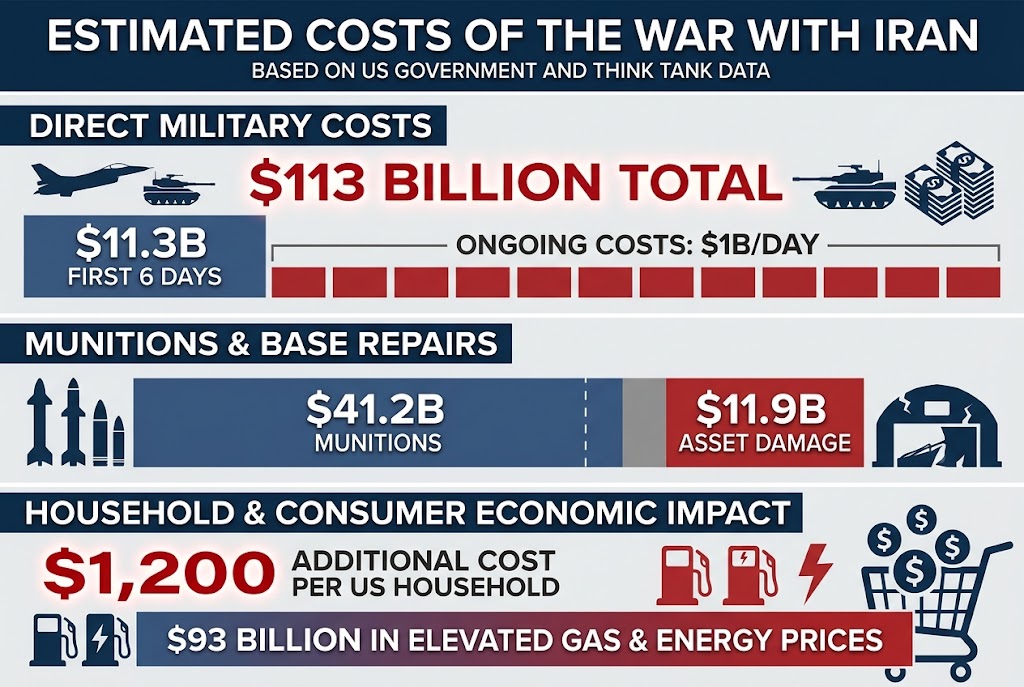
The war in Iraq has gone on much longer and consumed far more resources than I would have liked or predicted three years ago. If a stable, democratic Iraq emerges from this mess, it will certainly be worth far more than the price paid; if it doesn’t, then maybe not.
I would remind Bainbridge and others, though, that the bulk of the problems have come from the post-war “nation building” phase rather than from the quick war which took out the despot Saddam Hussein or the ill fated WMD boondoggle. If the war is ultimately a failure, it will be because of an overly ambitious agenda to reshape the Arab Middle East, not flawed intelligence on the nuclear program or miscalculations as to the danger posed by Saddam.