Matthew Shugart argues of the Fort Dix Six, “If they were really preparing to attack a military base, that, by definition, would not be terrorism.” Steven Taylor agrees, “One could call this a paramilitary operation (or some other term), but not terrorism.”
Well, no.
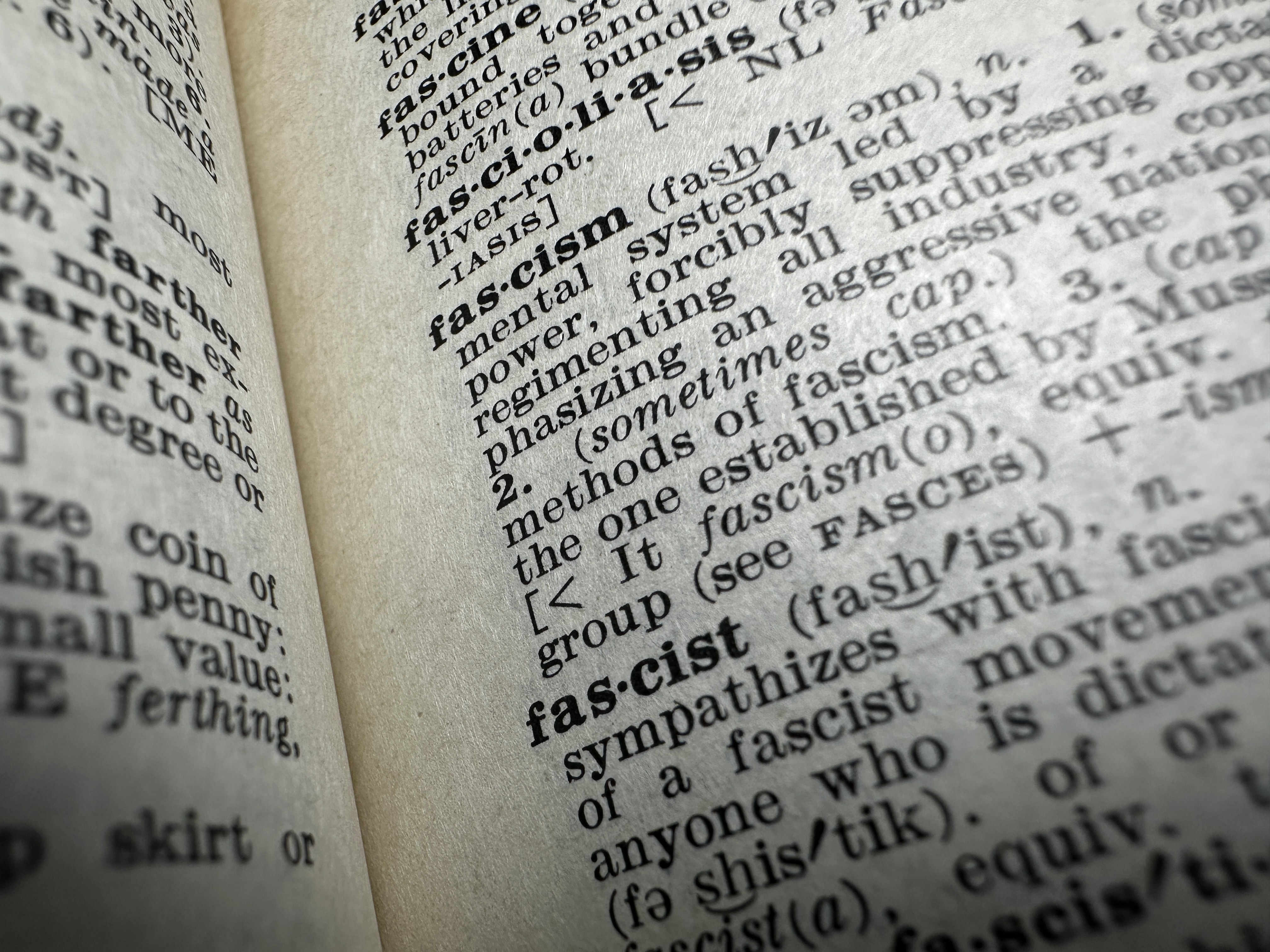
There are numerous definitions of “terrorism” but none of them exclude acts against military personnel per se.
- “[A] premeditated, politically motivated violence perpetrated against noncombatant targets by subnational groups or clandestine agents, usually intended to influence an audience.” – Title 22 of the US Code, Section 2656f(d)
- “All criminal acts directed against a State and intended or calculated to create a state of terror in the minds of particular persons or a group of persons or the general public.” – League of Nations Convention (1937)
- [C]riminal acts intended or calculated to provoke a state of terror in the general public, a group of persons or particular persons for political purposes are in any circumstance unjustifiable, whatever the considerations of a political, philosophical, ideological, racial, ethnic, religious or other nature that may be invoked to justify them”. – UN GA Res. 51/210 Measures to eliminate international terrorism (1999)
- “Terrorism is an anxiety-inspiring method of repeated violent action, employed by (semi-) clandestine individual, group or state actors, for idiosyncratic, criminal or political reasons, whereby – in contrast to assassination – the direct targets of violence are not the main targets. The immediate human victims of violence are generally chosen randomly (targets of opportunity) or selectively (representative or symbolic targets) from a target population, and serve as message generators. Threat- and violence-based communication processes between terrorist (organization), (imperilled) victims, and main targets are used to manipulate the main target (audience(s)), turning it into a target of terror, a target of demands, or a target of attention, depending on whether intimidation, coercion, or propaganda is primarily sought” – Academic Consensus Definition (Schmid, 1988)
- Systematic use of violence, terror, and intimidation to achieve an end. – Webster’s University Dictionary
- “The calculated use of violence or the threat of violence to inculcate fear; intended to coerce or to intimidate governments or societies in the pursuit of goals that are generally political, religious, or ideological.” – US Dept of Defense
- “Terrorism is the unlawful use of force or violence against persons or property to intimidate or coerce a government, the civilian population, or any segment thereof, in furtherance of political or social objectives.” – FBI
(Note that the academic definition is longer than all the rest combined.)
The confusion arises because acts that would be considered “terrorism” are sometimes deemed legitimate when directed against combatant targets during a war. Arguably, therefore, the 1983 suicide bombing that killed 241 U.S. servicemen was “guerrilla warfare” rather than “terrorism,” depending on whether one considers the Marines to have been peacekeepers or combatants.
Soldiers at Fort Dix, thousands of miles away from a hostile fire zone, are not “combatants” in any sense of the word. They are not, therefore, legitimate military targets.
Furthermore, even if one disagreed because Dix is a staging ground for departure for war, is training soldiers for war, or some such rationale, the perpetrators are not lawful combatants in a war.
UPDATE: Taylor weighs in with a lengthy reply in the comments section and legion has an interesting response to the last sentence above. I agree with both that this is a very complicated issue, mostly because mass international terrorism is relatively new compared to warfare, and much less philosophical brain power has gone into parsing the subject.