The Atlantic’s Conor Friedersdorf exhorts, “Don’t Fire People for Making Pornography in Their Free Time.” Which, in the abstract, seems like a reasonable position.
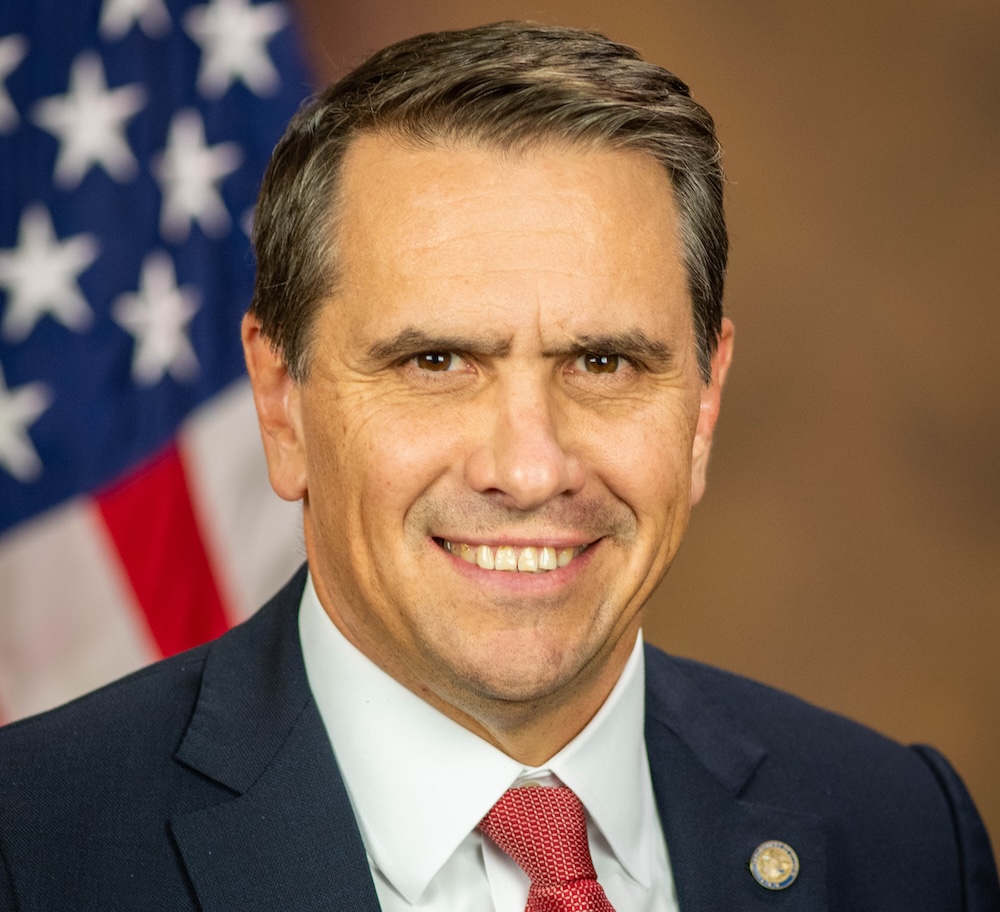
The particular case upon which Friedersdorf builds the argument, though, is less than straightforward. The person in question was Joe Gow, a long-time chancellor of a state university who has spent years filming and selling pornographic videos with his now-wife. NBC has a fairly detailed accounting of the specifics for those who are interested.
Said chancellor is feigning shock at his firing and claims his First Amendment rights are being violated. Ken White rather thoroughly eviscerates that argument. The tl;dr version: While the Supreme Court has, on First Amendment grounds, made it very difficult for the state to prosecute people for filming ordinary pornography, the state has much greater leeway in firing employees for doing so.
[A] court must engage in a balancing test, weighing the employee’s interest in their free speech against the government employer’s interest in workplace harmony and effective operation. Here, the fact that Mr. Gow’s job of Chancellor requires him to represent the university as its public face, and interact with alumni, donors, and the state legislature, probably plays a determinative role. Even if a court found that Mr. Gow’s pornographic videos represented speech on a matter of public concern, it would likely find that the university could fire him on the grounds that appearing in the videos was detrimental to his public role and therefore to the university. That’s how several courts have ruled — for instance, finding that sheriff’s deputies’ appearance in pornographic videos undermined their fitness and the reputation of the department. You could say that this analysis reflects a prudish and outdated attitude towards sex and/or pornography, but the point is that it’s a very practical and plausible concern about the reaction of the people Mr. Gow has to deal with on the job.
While Friedersdorf doesn’t dispute that, he argues that doesn’t mean the university has to fire a chancellor for making and selling porn:
They should simply ignore it. (Indeed, I myself have chosen not to watch.) Sure, I can understand why various UW officials might feel frustrated with Gow or a need to feign disapproval. Public support for higher education is cratering. Factions hoping to defund state universities are eager for any pretext to portray these schools as decadent enclaves with contempt for the values of most Americans. One needn’t believe that porn is immoral or disgusting to know that millions judge it so: A 2023 Gallup poll found that 58 percent of Americans, a clear majority, believe that pornography is morally wrong, while just 39 percent believe that it is morally acceptable. If Gow was paid partly to bolster UW-La Crosse’s public standing, an argument can be made that he failed at his job.
Then again, Gallup also found that 85 percent of Americans believe that having an extramarital affair is immoral. And few people would expect the chancellor of a public university to lose his job for that transgression.
Pornhub is watched by more people than Netflix. OnlyFans, a site that is best known and substantially used for adult content, reports more than 3 million creators worldwide. Almost inevitably, in the coming years more and more people in public roles will be outed for making porn. Broadly, our digital culture gives Americans opportunities to judge and to be judged. Educators will be caught on cellphone cameras or CCTV drinking at bars, participating in street protests, being rude to waiters, entering strip clubs, leaving abortion clinics, failing to pick up after dogs, running red lights, and imperfectly disciplining their children.
To be sure, there’s a slippery slope here. But, first, Gow wasn’t inadvertently caught in a private moment; he not only deliberately filmed his sex acts but actively uploaded them to various pay-per-view porn sites and promoted them on social media. Second, while it’s doubtless true that a lot of people are hypocritical on the issue of pornography— simultaneously consuming and condemning it—it’s nonetheless the case that Gow’s actions make it harder for him to do a public-facing job and have all manner of repercussions for his university. Firing him was perfectly reasonable.
Friedersdorf’s demurral is unconvincing:
Karen Walsh, the president of the UW Board of Regents, said she was “alarmed” and “disgusted” by Gow’s actions, which were, she stated, “wholly and undeniably inconsistent with his role as chancellor.” But Gow’s actions were neither consistent nor inconsistent with being chancellor. Strictly, his actions were outside the scope of that role. Or they could be considered so, if most Americans simply chose to see the situation that way.
There are all manner of perfectly legal off-the-job activities that, if made public knowledge, impact one’s job. There would simply be no question whether, if Gow’s private hobby was, say, membership in the Ku Klux Klan, the university should terminate him. While it’s perhaps unjust, a lot of people that Gow would need to deal with as chancellor—government officials, potential donors, potential administrative and faculty hires, students, etc.—will now view him differently, making it much harder for him to lead a university.
Now, there’s the separate matter of whether the university can deny him the right to return to the faculty as a tenured professor. The Foundation for Individual Rights in Education makes a half-hearted effort to argue that they can not. White cites a different FIRE opinion noting that college faculty enjoy certain free speech rights that other government employees do not; but any argument that Gow’s pornographic films are protected by academic freedom is risible.
Given the sheer proliferation of “amateur” pornographic videos that Friedersdorf notes, it’s quite possible that our attitudes will evolve on this matter. Further, the fact the vast preponderance of said porn features women may well lead to some disparate impact rulings that change the state of play on employment law.
As it now stands, though, I would suggest that those employed in prominent leadership roles not make porn on the side to supplement their income.