Lately that has been one of the big things I hear on the radio and see in print journalism (link, link, link, link). Some of those articles even note that the stock market is rising despite these new “records”. So what is going on? Isn’t the conventional wisdom that oil is a big driver for the economy. Higher prices lead to less growth and maybe even a recession, while lower prices just the opposite?
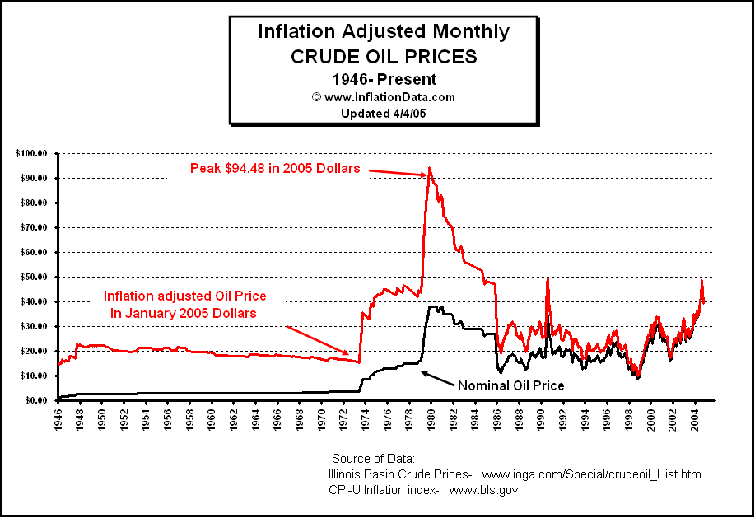
Well, how about the “record” isn’t a really a record. Sure it is a record in nominal dollars, but this is like looking at your paycheck and saying you are rich because you are earning so much more than you did 25 years ago. You see, 25 years ago the price of oil was just under $40/barrel. So what is $40 from 1980 worth today? Ninety four dollars and 42 cents. Or think of it this way, would you like it if I told you your salary/wage was going to increase from this point forward at 1%/year no matter what. In 25 years you’d be making 26% more than you are now! What a deal. You’d be an idiot to not take such a deal. Or is it? What if inflation was 2% (on average)? You’d actually end up with a 21% pay cut.
Of course the best way to make this point is with a picture. In other words, we have about $30 dollars to go till we get to the real record.
So, is the increase in oil prices irrelevant? No. Rising oil prices can, even when rising from a fairly low price, can still be bad. After all the sudden run up in oil prices shown in the graph around 1990 probably didn’t help with the restrictive monetary policy and the decline in consumer and business confidence (here is an article from the San Francisco Federal Reserve that looks at the issue). So the current run up in oil prices is not a good thing, but it certainly isn’t a record by any means that actually matter.