
OTB relies on its readers to support it. Please consider helping by becoming a monthly contributor through Patreon or making a one-time contribution via PayPal. Thanks for your consideration.

Sunday’s Forum
3
Comments
Categories
Tags
3 responses to “Sunday’s Forum”
-
In good news, The race for governor in Alaska has been called for the Democratic candidate. CNN has a vote breakdown.
On other news, war is again wide awake in the Persian Gulf.
-
NASA’s Voyager 1 closes in on a light-day in interstellar space for a new distance record
NASA’s Voyager 1 is about to become humanity’s first object to reach one light-day from Earth as it pushes ever deeper into interstellar space.
That’s a mind-blowing distance of more than 16 billion miles (26 billion kilometers) for the spacecraft launched 49 years ago.
When Voyager 1 reaches that remarkable milestone on Wednesday, its radio signals will take precisely 24 hours traveling at the speed of light to reach Earth — in other words, one light-day. NASA is looking at another 18,000 years before the spacecraft achieves a full light-year and more than double that before it comes near another star.
To celebrate this moment, NASA is urging people from all corners to grab their phone or a flashlight to create a wave of golden light after sunset Tuesday, using Morse code to spell the letters V-G-R, Voyager’s call sign, into the night sky.
-
For years it has been convenient for pro-Russian organizations and advocates to say that the Ukrainian claims of Russian casualties (which certain western intelligence agencies considered credible) were wildly inflated. It was said that there was no way that the Russians could have lost so many dead, and moreover Mediazona, which was operating by using released Russian figures, had a number much, much lower.
Well, we finally have some figures that have been taken from hacked Russian documents, and they tell a very different story. A group of hackers from Ukraine and Belarus were able to get their hands on 23 terabytes of data from the official Russian state statistics agency, Rosstat.
And these documents look absolutely legitimate. They have been reported on widely from the Moscow Times to the Financial Times. Moreover, they cover all deaths, so can be used to cross-check with non battlefield deaths (and the figures match).
Now, what the documents showed was twofold. The first is that Russian reporting of their war dead is months behind—there seems to be a long lag between the death occurring on the battlefield and it being recorded. The second was that even with this lag, Russian deaths as of August were recorded as landing somewhere between 400,000 and 450,000.
Some statisticians have taken these official figures and done some basic calculations. If that was the state (with a lag) in August, the real death toll at that time was probably between 500,000 and 550,000. The larger figure was one reached by the Financial Times. Furthermore, the FT then calculated out where things should stand by the end of the year, and they came to the conclusion that Russian deaths in the war were “on track” to reach 650,000.


Leave a Reply
You must be logged in to post a comment.
Latest Posts
-

Peltola Likely to Win, Bringing Democratic Caucus to 56
-
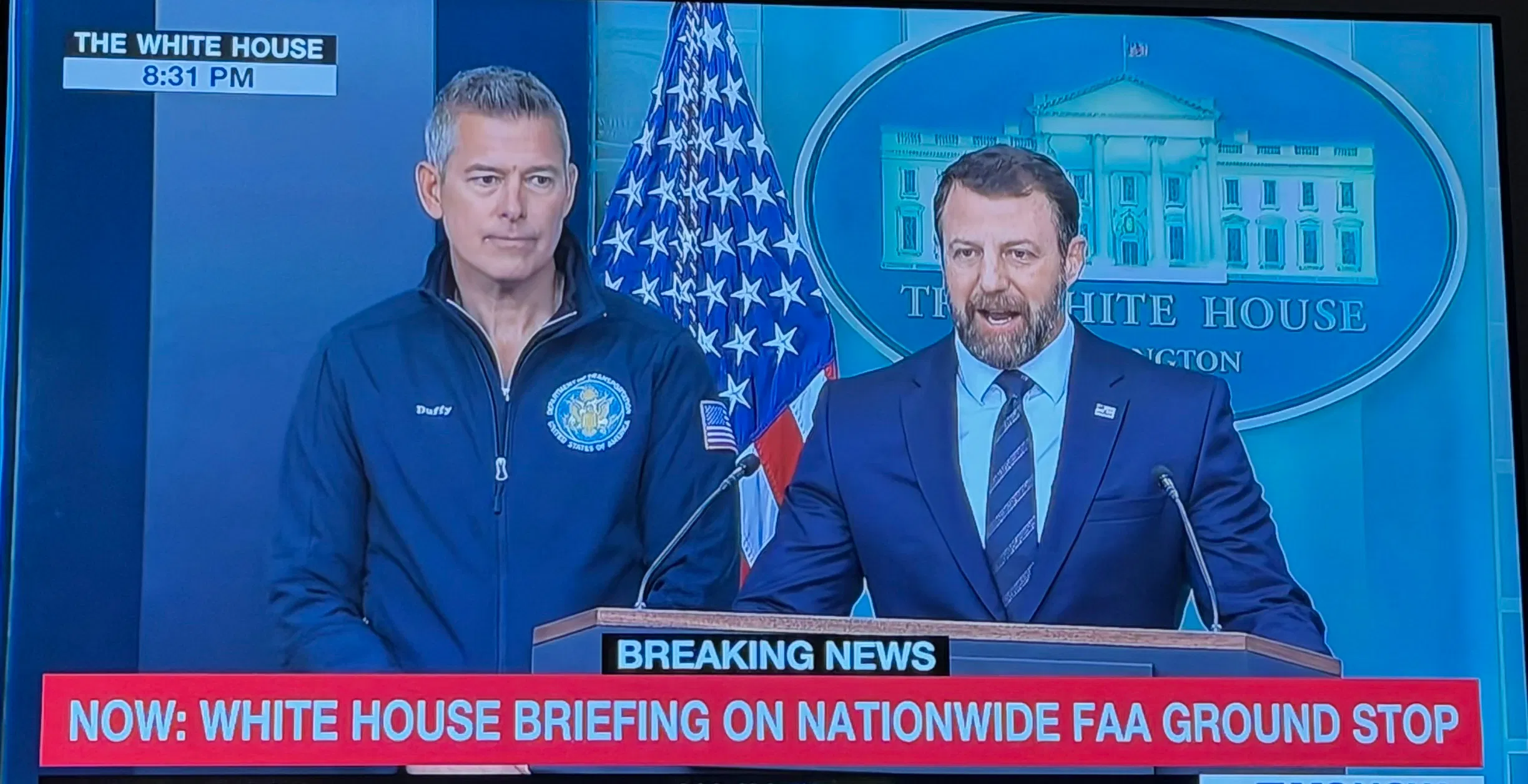
“This is what the leadership of President Trump looks like.”
-

Flights Resumed But Schedule Snarled
-
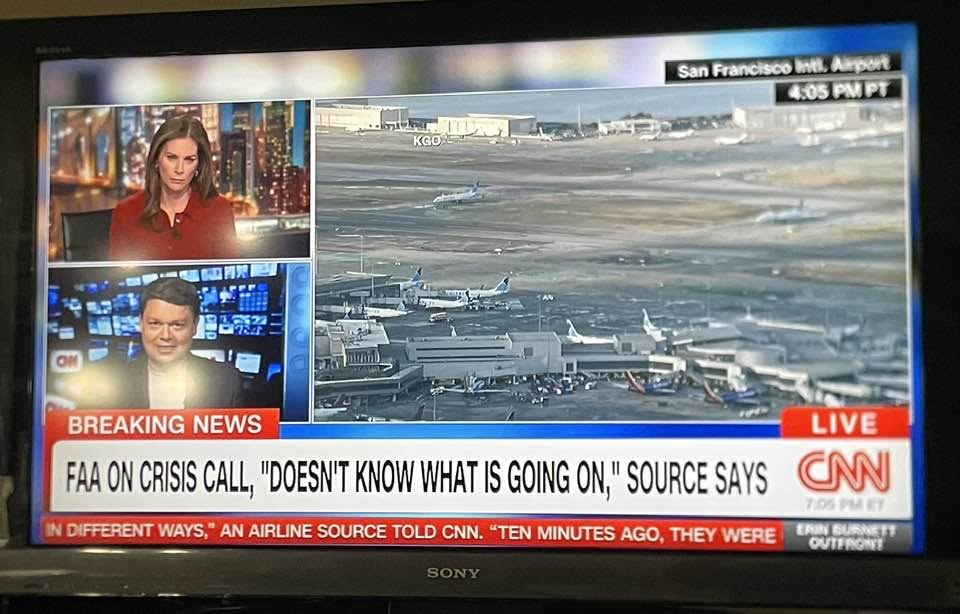
National Ground Stoppage and A Mostly Silent Federal Government
-

More on Caucus Leadership
-

Van Hollen Challenges Schumer for Senate Majority Leader
-

MAGA is Not Dead, and the Trump Administration is Not Over
-

Nvidia CEO Jensen Huang Resigns Under Scandal