NYT (“Senate Races in Republican States Tilt Toward Democrats, Polls Find“):
A month before the midterm elections, Democrats have opened leads or battled their way to ties or near-ties in five reliably Republican states where they are trying to flip Senate seats to win control of the chamber, according to new New York Times/Siena University polls.
Democrats lead among likely voters in the Senate races in Texas and Alaska, two states that consistently vote Republican, the polls found. They have an edge in Ohio, which has been tilting rightward for years. Republicans have a slim edge in Iowa, and Democrats are neck-and-neck with Republicans in Kansas, which has not voted for a Democratic senator since 1932.
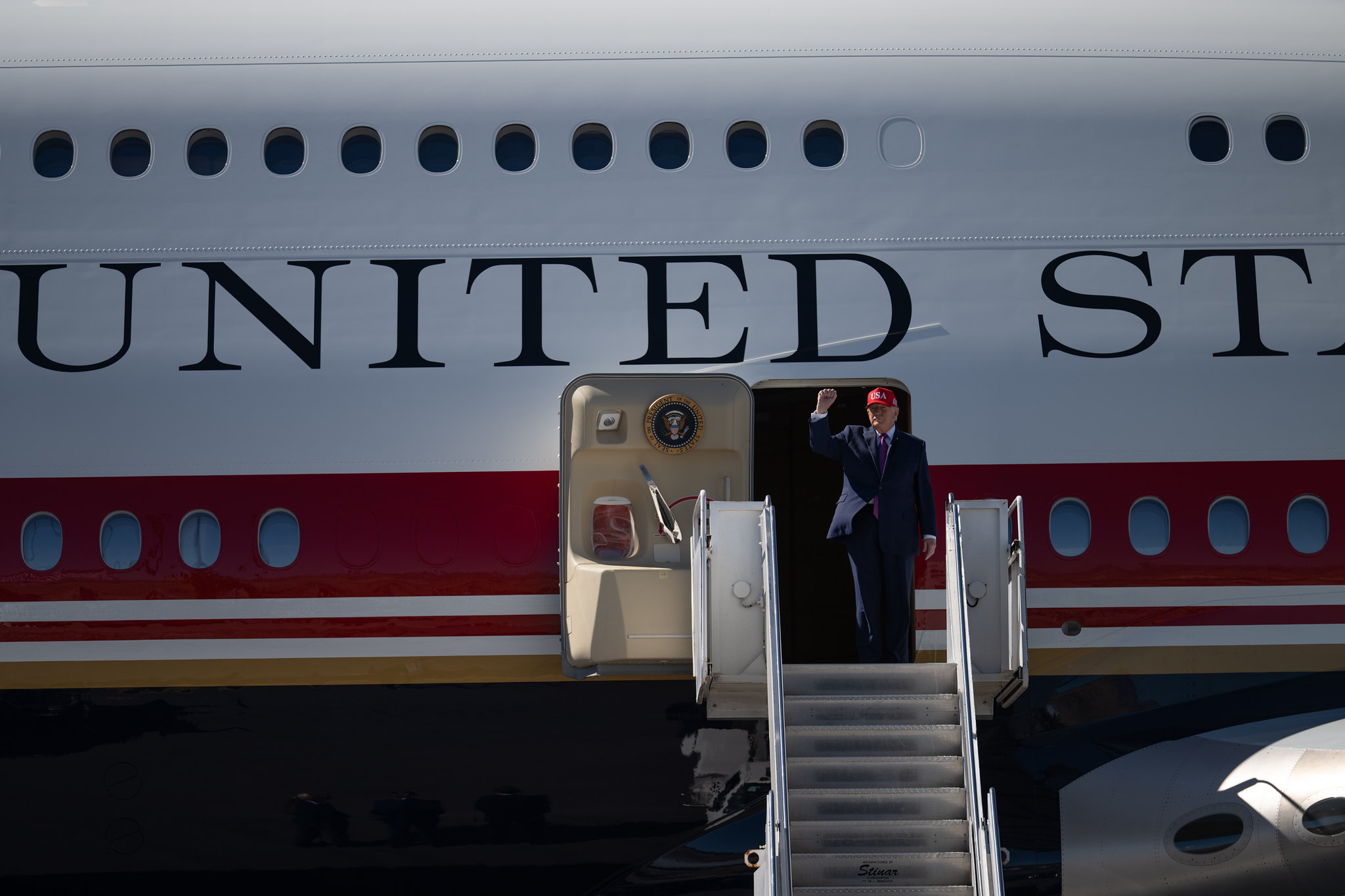
President Trump’s deep unpopularity, disapproval of the Iran war and frustration over high gas prices and the cost of living are reshaping the electoral landscape, the polls found.
Taken together, the new polls suggest that the Democrats have multiple paths to retake the Senate majority, despite a challenging map that had favored Republicans going into the midterms. To win Senate control, Democrats need to flip four Republican-held seats while holding on to their current seats in three battleground states, a difficult task.
Here’s a graphic look at the key races:

That Democrats are not only competitive but have consistently led in Alaska and Texas suggests either a wave election or serious systematic polling bias. Because it’s not just the NYT/Sienna poll. As Nate Cohn (“Democrats May Have Found the Recipe for Flipping Red-State Senate Seats“) notes, it’s pretty much every poll:

The fact that Republicans have all but conceded North Carolina is strong evidence they think the polls are accurate.
Still, Cohn is cautious:
This is an extraordinary run of polls for Democrats, most of all in Texas and Alaska. The Times/Siena polls — and others over the last month — show Democrats building a consistent and potentially meaningful lead in both states. If Democrats won Texas and Alaska, held their own seats and added North Carolina, as expected, they would need to win only one more Republican-held state, whether in Maine, Ohio, Iowa or Kansas, or elsewhere.
Of course, leading polls in September is not the same thing as winning in November — especially in Republican-leaning states, where polls have often overestimated Democrats. And even if they’re not overestimating them this time, Republicans need only to win back reliably Republican voters over the next month to prevail. This is harder than it sounds in this political environment, but it would not be a surprise if they did so. Republicans will have the financial resources they need to make their case.
Nonetheless, just about everything has gone right for the Democrats so far. They enter the final month of the campaign in a better position than anyone would have imagined when the year began. While the story varies somewhat by state, Democrats are cooking with the same recipe across all five contests: At a time when Mr. Trump is very unpopular, Democrats have nominated popular, relatively moderate candidates against surprisingly unpopular Republicans.
The other NYT report notes that
It is a striking transformation in five states Mr. Trump won every time he was on the ballot. In Ohio, which he carried with 55 percent of the vote in 2024, only 38 percent now approve of Mr. Trump’s job performance, down from 44 percent in June.
Soaring gas prices, which were driven above $4 a gallon by the Iran war, have continued to hurt the president’s popularity, particularly in the Midwest. About half of Republicans in Iowa and Ohio said that they disapproved of Mr. Trump’s handling of gas prices. Across all five states, Democrats are now more trusted than Republicans to handle the cost of living — reversing the advantage Mr. Trump had on the issue in those states just two years ago.
The combination of a bad economy and a demoralized base is usually bad news for the President’s party. But the Democrats’ challenge in flipping so many seats is daunting. It’s not inconceivable that the polls are just way off.
We’re exactly a month out from the election, so we’ll know soon enough.