Matthew Yglesias and Kevin Drum both argue that the Democratic Party would be wise to pick their battles on religious issues more wisely.
Matt began with a TAPPED post Wednesday citing a Pew survey reaffirming the extent to which Americans hold religious values and that only a very small, mostly white, elite is strongly against such things as public displays of the Ten Commandments. Today, on his own site, he offers:
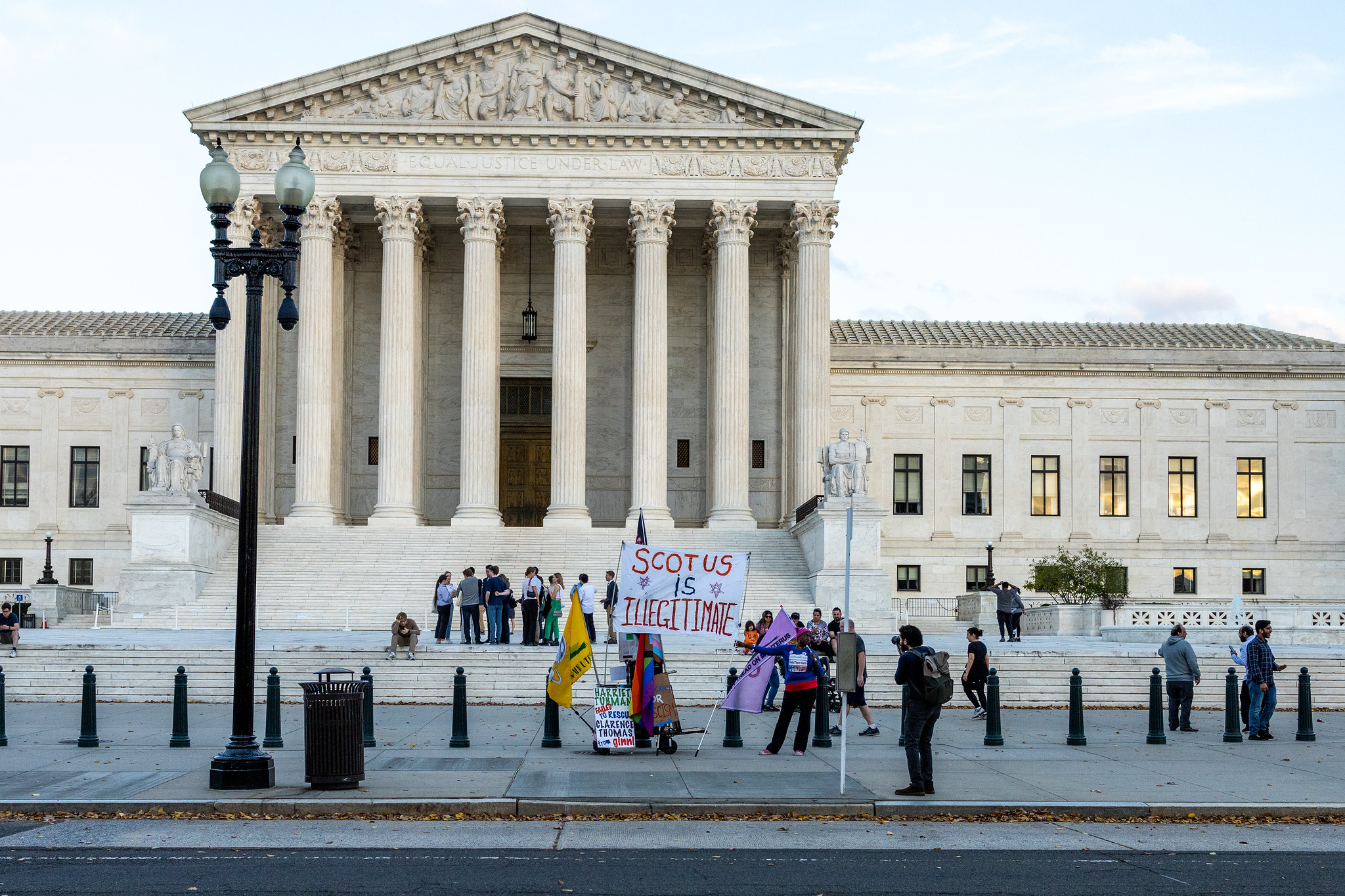
If you ask me this and related issues would be fruitful areas for compromise. I wouldn’t say posting ten commandments on public buildings is a good idea. It strikes me as slightly silly, mildly wasteful, and vaguely offensive. But it’s honestly not a big deal. Abortion and reproductive rights matter. A lot. So does trying to maintain forward motion on the gay rights front. So do the basic economic issues, so does foreign policy. Ten commandments? “Under God” in the pledge of allegiance? Taxpayer dollars financing Christmas displays in the town square? That stuff doesn’t really matter. I’d be happier were it otherwise, but if that kind of token gesture toward the concept that this is a Christian (or, as they say, “Judeo-Christian,” whatever that means) country is what it takes to get support for a progressive political agenda, then sign me up.
Kevin agrees:
I think he’s right, and I say that from the perspective of someone who’s such a stone atheist that I’m pretty sure it’s not philosophically possible to be more atheist than me. Still, there are fights and there are fights, and some are more worth fighting than others.
Evolution? Worth fighting over, even if it costs us. Prayer in public classrooms? I’m agin it, but let’s face facts: we won 98% of this battle long ago. The last 2% probably isn’t worth too much bloodshed. Creche scenes in front of city hall? Lighten up.
My religious views mirror Kevin’s, although my political ideology often doesn’t. I’ve largely come to the same conclusions, though, in terms of intra-Republican Party squabbles. The social conservatives have more sway than I’d like over the party, but I’ve come to terms with the fact that there views are in accord with a far larger slice of the electorate than mine and that motivating that part of the base is crucial to getting what I want in other, more important, matters.
Ideally, of course, both parties would adopt the “it ain’t worth fighting for” stance on the more extreme parts of their platforms. Like it or not, though, party activists are–almost by definition–much more ideological than ordinary Americans. Because the activist core is more organized, more likely to contribute, and more likely to vote, they hold sway far out of proportion to their size.