 Hilzoy wonders why we take counterterrorism more seriously than food inspection.
After all, food-borne illness kills about 2,000 more people every year than died on 9/11; why we should spend over half a trillion dollars a year defending ourselves against human invaders while leaving ourselves open to bacteria that are every bit as lethal is a mystery that passeth all understanding.
Oh, c’mon. We’re comparing apples and skyscrapers here.
The 9/11 attacks happened in three locations — the Twin Towers, the Pentagon, and a passenger jet over the skies of western Pennsylvania — within the one a single day. They were a deliberate act of murder that only government could have conceivably prevented.
Meanwhile, there are 306-odd million Americans spread over a giant continent. Each of them eats 365 days a year, usually more than once. Further, the lion’s share of the cases of serious food poisoning could have been prevented by individuals with better sanitary procedures, proper food storage, or more thorough cooking.
I’ve got no real opinion on the Waxman-Dingell bill that Hilzoy points to as “one of those dull bills that really matters.” According to Lyndsey Layton‘s story in WaPo, it
would give the Food and Drug Administration broad new enforcement tools, including the authority to recall tainted food, the ability to “quarantine” suspect food, and the power to impose civil penalties and increased criminal sanctions on violators.
Among other things, the proposal would put greater responsibility on growers, manufacturers and food handlers by requiring them to identify contamination risks, document the steps they take to prevent them and provide those records to federal regulators. The legislation also would allow the FDA to require private laboratories used by food manufacturers to report the detection of pathogens in food products directly to the government.
Offhand, it sounds like a good idea. But there’s no such thing as “e. coli conservatism.” While there are a handful of anarco capitalists out there, even those of us who prefer our government small recognize the need for the FDA and USDA in a globalized world. The fact of the matter, though, is that, while it may well make sense to increase the number of food inspectors and the like, we’re simply not going to be able to inspect every batch of food that goes out to consumers. Our country is just too vast and our food supply too differentiated for that. Could, say, tripling the number of inspectors have prevented a few deaths from, say, contaminated peanut butter or unwashed spinach? Maybe. Maybe not.
Then again, the same thing is true of terrorist attacks, too. We can throw tens of billions at killing bad guys and trying to improve the lives of people in the countries likely to breed future terrorists but, as Jim Jones noted earlier this week, “perfection is an impossible standard” in the national security business.
I could, therefore, pretty easily be convinced that shifting a few billion dollars from homeland security to food safety makes sense. But let’s talk about logistics rather than intentions.
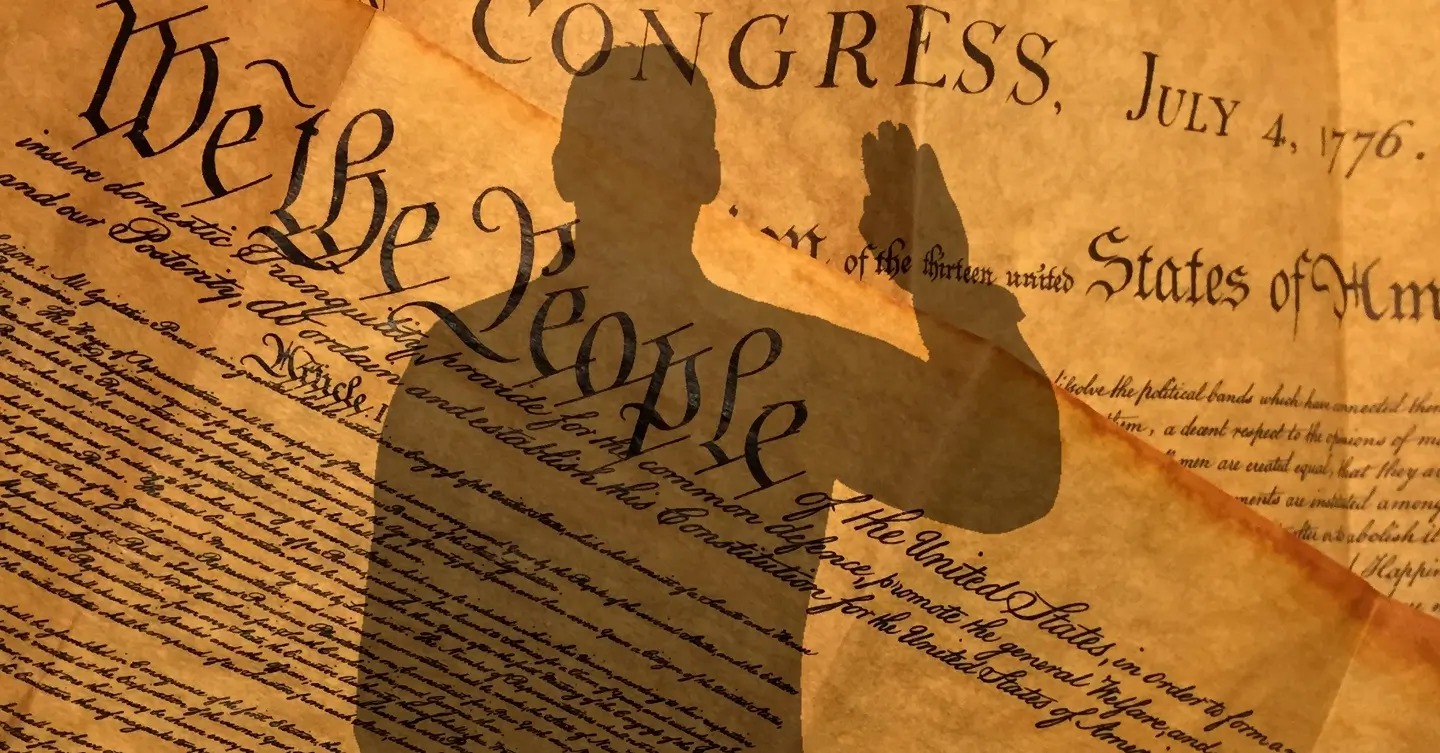
Photo by Flickr user Chu under Creative Commons license.