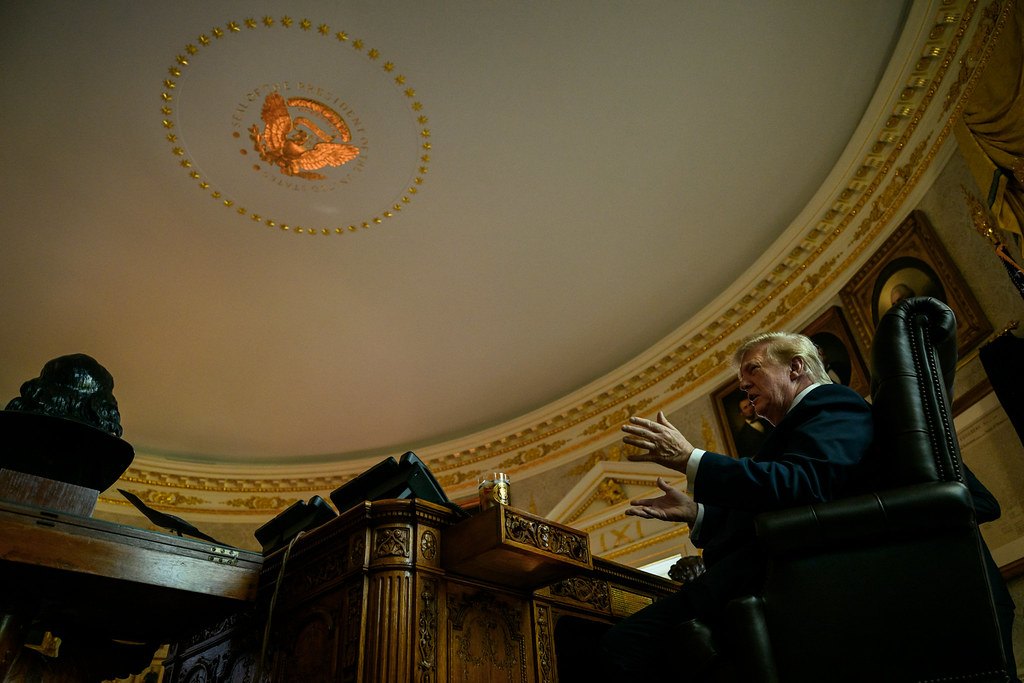
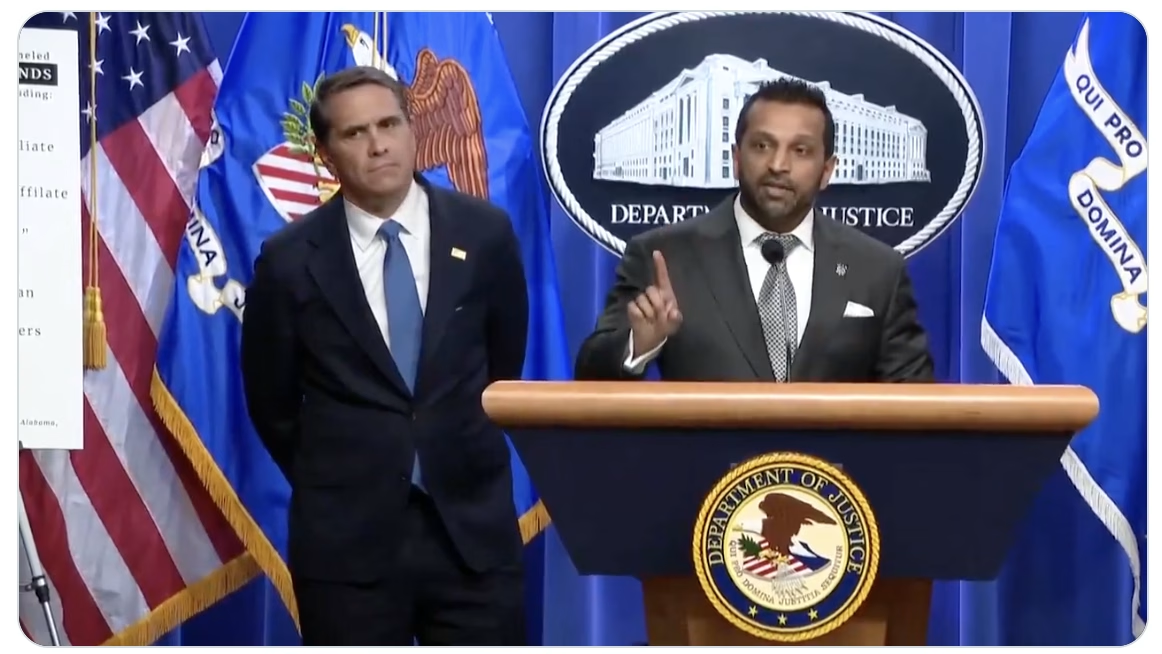
This week, in two seemingly unrelated decrees, Trump World moved again to reshape America’s culture. First, President Trump signed an executive order renaming the Department of Defense as the Department of War. Then, news broke that “The alumni association at the U.S. Military Academy at West Point has canceled an award ceremony for actor and veterans advocate Tom Hanks.”
Hanks was scheduled to receive the Sylvanus Thayer Award on September 25. The honor goes to a non-West Point alumni citizen who embodies West Point’s ideals of “Duty, Honor, Country.” The cancellation was rationalized with the baffling explanation that West Point is now focusing on preparing future officers for war. “Sorry Tom, nothing personal, we just don’t have time to honor you for your support and prepare for war.” (It’s worth mentioning that presently America’s National Guard is busy in Washington D.C., spreading mulch, erasing graffiti, and picking up trash–all of the classic war-preparation drills.)
New names and canceled awards, all in the name of politics. It’s a phenomenon deserving of a label, though I’m simply not creative enough to invent a clever one. Let’s just be literal and for now call it “Cancel Culture.”
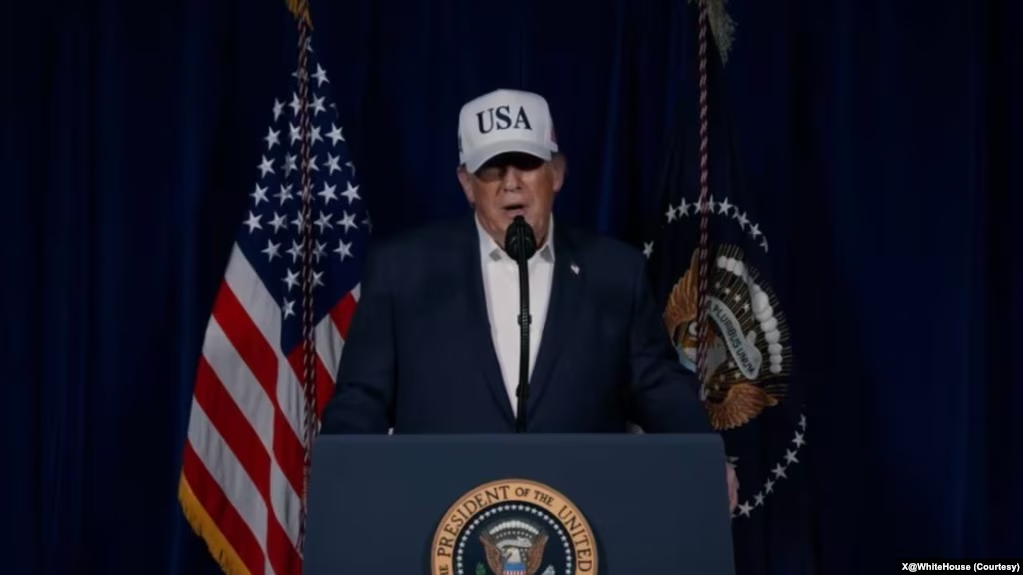
But wait—isn’t cancel culture supposed to be over? Trump himself has railed against it time and again. In his 2020 Republican National Convention acceptance speech, he warned:
“Americans are exhausted trying to keep up with the latest list of approved words and phrases, and the ever-more restrictive political decrees. Many things have a different name now, and the rules are constantly changing. The goal of cancel culture is to make decent Americans live in fear of being fired, expelled, shamed, humiliated, and driven from society as we know it.”
Let me confess (no sarcasm here) that Trump’s critique sounded (kinda sorta) reasonable to me. Before MAGA turned “cancel culture” into just another talking point (see my earlier post on Harry Frankfurt’s discussion of “bullshit”), I had countless discussions and friendly-ish debates with left-leaning friends and colleagues whether cancel culture really existed and whether it was as dangerous as those on the right claimed. Compared with many of my colleagues, I was an alarmist. My colleagues dismissed my examples of disinvited speakers or chilled campus speech as merely anecdotal. And they were right—they were anecdotal. But they still disturbed me.
My instincts on free speech are broadly J.S. Millian: maximum liberty. Now admittedly, no “outsider” has a first amendment right to a campus podium or is entitled to receive an honorary award, but rescinding an invitation under political pressure always struck me as cowardly and, frankly, stupid. Canceling speakers, it seemed to me, served more than not to amplify their message rather than to silence it.
So although I was troubled by Trump in countless ways, I nonetheless (kinda sorta) agreed with his anti–cancel culture critique. He may not have had the details straight, but he was, as his allies like to say these days, basically “directionally correct.”
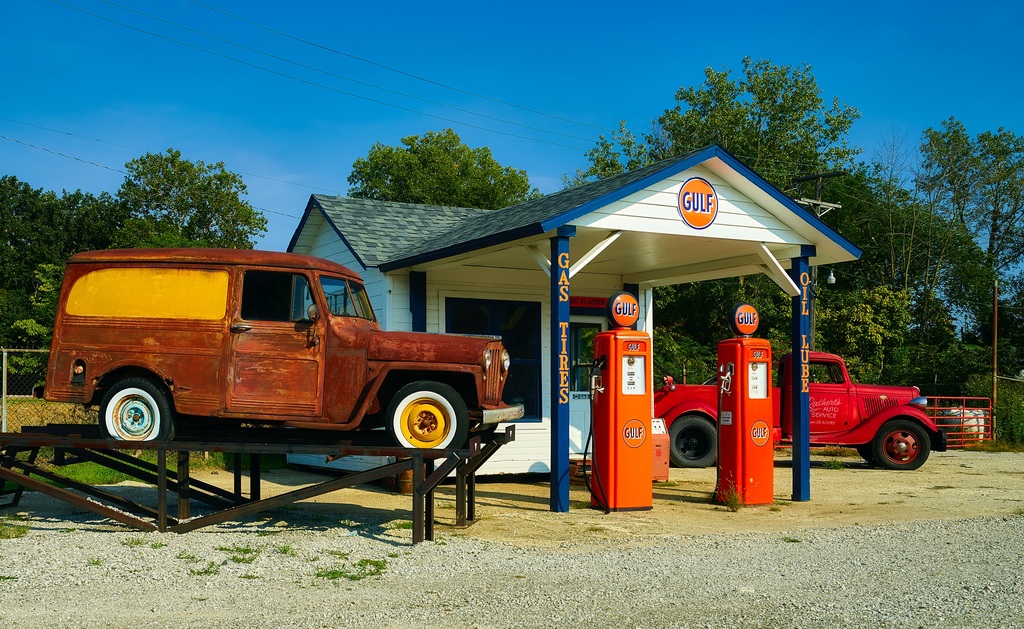
Here’s the problem: whatever cancel culture existed before Trump has, under his second term, become far more widespread, more dangerous, and infinitely more chilling. He punishes universities and law schools for dissenting ideals. A “big part” of why he has acted to move the U.S. Space Command headquarters from Colorado to Alabama is because Colorado uses paper ballots–a fact that has nothing to do with the merits of the move. He renamed the Gulf. While war rages on in Gaza and Ukraine, he has worked to reshape the Kennedy Center’s culture, leadership, and guest list. He ordered his DOGE team to scour the internet for mentions of DEI or climate change for their removal. He’s attacked the Smithsonian for accurately describing slavery as horrific. He’s reverted military base names and mountain names to suit his politics.
Trump is the Cancel Culture King.
The result of Trump’s petulance and insistence on remaking the world in his image is a government and culture in which people are afraid to speak. His own party is terrified to criticize him. The chilling effect is beyond debate.
Which is why “cancel culture” is no longer quite the right name for chilling speech under the Trump administration. Cancel Culture is almost too cute. “Police state” doesn’t quite fit either, however. “Patriotic correctness” comes closer, but it lacks the menace. Political theorists have distinguished between institutions that shape values through culture and those that impose order through violence or its threat. Trump has shifted the world of cancellations from the realm of culture into the power of the state itself. There’s a vast difference between someone getting dogpiled on social media and the most powerful man in the world using the machinery of the state to target dissent by, say, abolishing your institution or denying it hundreds of millions of dollars in funds or grants. Neither Twitter mobs nor government punishment are good for free speech, but only one is deserving of constitutional protection.
So perhaps we should retire the phrase “cancel culture” for now. What we are facing–or will soon be facing if our current trajectory continues unchecked–is much closer to this: the Repressive State.