Via ABC News: Will RFK Jr. and third-party contenders even make the ballot in November?
So far, the Libertarian Party looks likely to appear on at least 37 state ballots…the Greens look to have access in about 21 states…No Labels…in 18 states…. Meanwhile, the conservative Constitution Party has also made 12 state ballots.
[…]
Beyond these party or quasi-party organizations, Kennedy’s campaign has officially made the ballot in one state — Utah — and claims to have qualified in three others, while an allied super PAC claims to have sufficient signatures for Kennedy to make the ballot in four more. For his part, West claims to have made the ballot in four states so far.
The deadlines are largely this summer so they all still have time to qualify.
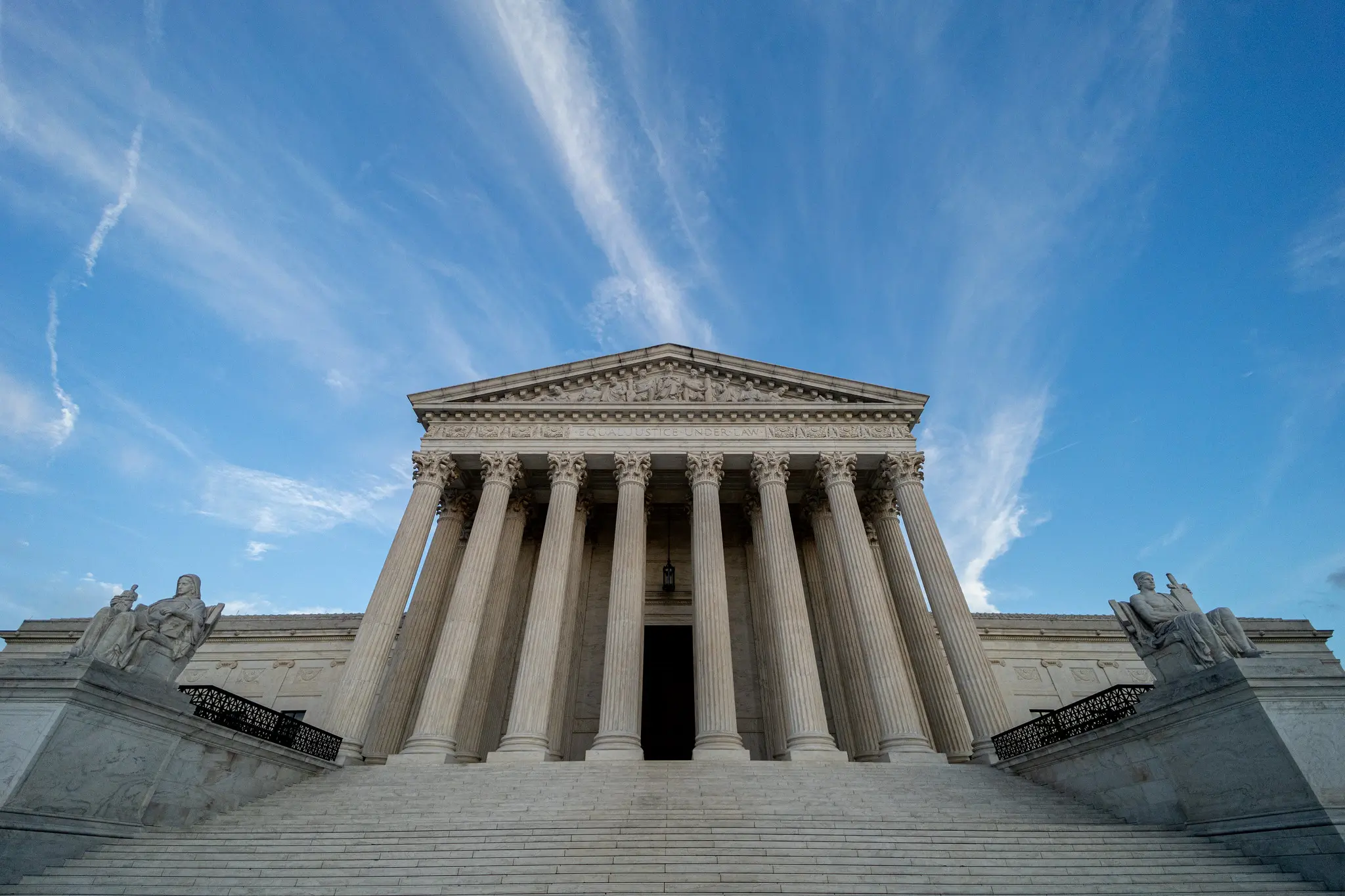
I would note that while we can certainly continue to debate section 3 of the Fourteenth Amendment, all of this rather clearly underscores a point I made earlier: states can absolutely keep candidates off the ballot based on state-level procedures. All of the talk by SCOTUS about the national nature of that process was well off the mark in my view.
some states could prove especially difficult to qualify in, whether they’re competitive or not. Perhaps the hardest could be New York, which has increased the electoral support threshold for parties to maintain ballot access from 50,000 votes to 130,000 votes in the last gubernatorial election. Last fall, the Supreme Court refused to hear a legal challenge to the 2020 state law that raised the threshold. As a result, unrecognized parties in New York — like the Libertarians and Greens — will need to meet the same requirements as independent candidates: collect at least 45,000 valid signatures by May 28, with at least 500 from each of half of the state’s congressional districts.
Recognizing the dramatic nature of section 3 and the topic of insurrection (and acknowledging that the decision was 9-0–although with caveats and conflicting dissents), the facts above were in my head when I noted the following from the transcript of oral arguments:
JUSTICE KAGAN: But maybe put most boldly,
25 I think that the question that you have to confront
1 is why a single state should decide who gets to be
2 president of the United States. In other words, you
3 know, this question of whether a former president is
4 disqualified for insurrection to be president again
5 is, you know, just say it, it sounds awfully national
6 to me. So whatever means there are to enforce it
7 would suggest that they have to be federal, national
8 means.
9 Why does — you know, if you weren’t from
10 Colorado and you were from Wisconsin or you were from
11 Michigan and it really — you know, what the Michigan
12 secretary of state did is going to make the
13 difference between, you know, whether Candidate A is
14 elected or Candidate B is elected, I mean, that seems
15 quite extraordinary, doesn’t it?
Well, every election there are candidates denied the right to be on a given ballot, so it just throws Kagan’s logic out the door and is why of the arguments that might be proffered for not allowing Colorado to rule as it did, the notion that “it sounds awfully national to me” flies in the face of pre-existing reality.
Moreover, different states are currently making (and will make) decisions about Candidate A and Candidate B. Or, maybe, more accurately, Candidate E and Candidate F–which is really the issue insofar as we are collectively comfortable with third-party types being second-class candidates, but less so about Rs and Ds whom we see as deserving their privileged positions. Quite frankly, if Colorado had been trying to deny some third-party candidate from being on the ballot based on section 3, I think SCOTUS would have allowed it (and yes, I acknowledge that is rank speculation). But since it would have opened a massive can of worms around the two major parties, they punted.
The fact that elections are administered by the state, and the fact the US Constitution gives the power to regulate the selection of Electors specifically, makes SCOTUS’ logic strained, in my view.
Likewise, I definitely do not think that originalism saves them from their decision. For example, from contemporaneous debate (emphases mine):
Sen. John Henderson (R-Mo.) made clear that this wasn’t just about ex-Confederates, saying, “The language of this section is so framed as to disfranchise from office the leaders of the past rebellion as well as the leaders of any rebellion hereafter to come. It strikes at those who have heretofore held high official position.”
Section 3’s framers and critics in the Senate agreed that it disqualified insurrectionists from office whether they had been convicted of a crime or not.
“The guilt or innocence of the party was not the matter at issue,” Willey said. “We were not trying them for their crimes, but we were providing security for the future peace of the country.”
Henderson concurred: “It is said that these leaders ought not to be condemned unheard, that they should not even be disqualified for official position until their guilt is established in a court of justice. … But when it is only proposed to fix a qualification for office and deny them future distinctions, which would rather make their treason honorable than odious, I do not hesitate to act.”
I will conclude, however by noting that I remain unsurprised by the decision and, moreover (and despite my protestations) I understand the decision to keep Trump on the ballot because of the firestorm that keeping him off would have created and the Court didn’t want to be responsible for that. I just think that the logic they used to reject the claim was rationalization needed to reach the conclusion they wanted, rather than the result of Principled Legal Wisdom.
Although by the same token the reason I still intellectually support the application of section 3 to Trump is because I think he did, in fact, support insurrection and that he is a real danger to the republic should he be elected. Further, I think that section 3 is there is try and project us against such a person regaining power.
I do hope that enough voters have to wisdom to reject him and agree that it is likely better for the nation that he lose (again) at the ballot box than it would be for him to be disqualified. I am just not pleased with the gamble inherent in that pathway (especially given the Electoral College).