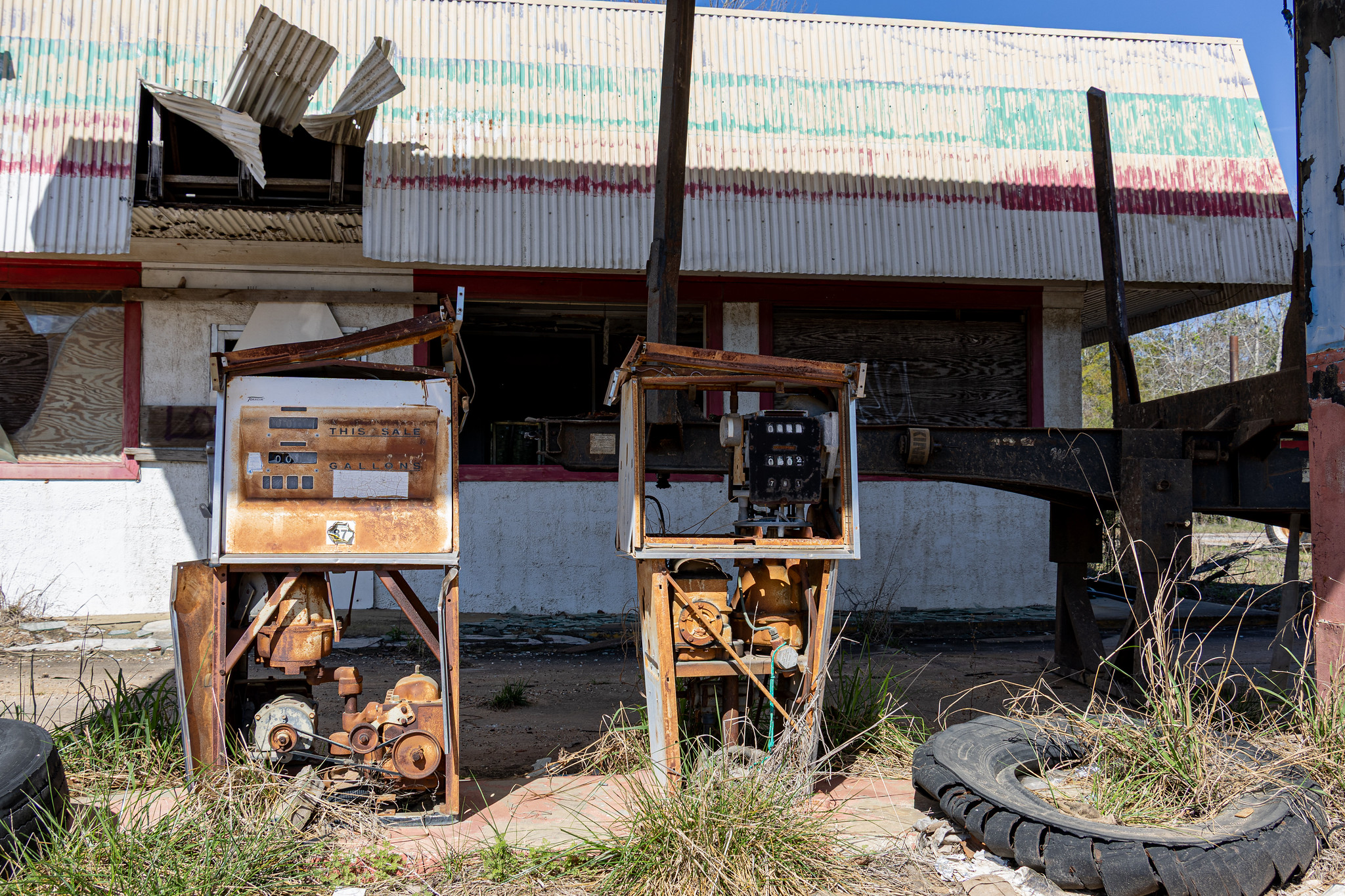
Continuing to follow the developments in biofuels is interesting because the things you know from two months ago are supplanted by new developments. There are numerous objections to the way ethanol is being handled in this country — the massive subsidies, the 54% tariff on imported ethanol — that make ethanol itself an objectionable solution. Technology also makes it an objectionable solution — corn-based ethanol is a very weak technology for producing ethanol, and ethanol itself only has about 75% of the energy you can get from gasoline.
Dupont and BP have created a new biofuel, biobutanol, that looks very promising. It provides 95% of the energy of gasoline and is not ethanol. That means that, for the time being, it can be imported without the hideous tariff and could possibly be used in existing cars without modification, or lighter modifications, once the technology has matured.
FT.com / Companies / Energy Utilities Mining – DuPont, BP claim biofuel breakthrough
The companies will make the fuel in an Associated British Foods factory that was being built to produce ethanol from sugar, with production of 9m gallons of biobutanol expected in 2007.Whereas ethanol produces only about three-quarters of the energy of conventional petrol when burned, biobutanol could produce as much as 95 per cent.
Conventional engines can cope with fuels that incorporate 5-10 per cent ethanol, but can take much higher levels of biobutanol without modification. But biobutanol is more difficult and expensive to produce than ethanol.
BP and DuPont said they would use existing technology, “but enhanced”, to make biobutanol at first, to get it to market quickly.
Work on more advanced technology would be completed by 2010. Tom Frost, associate director at Numis Securities, said the market for biofuels was looking strong. “It’s clearly a benefit if you can use this without changing engines.” Chad Holliday, chief executive of DuPont, said the fuel would not be competitive with petrol: “We have not been able to make [biobutanol] at a cost and a price point that our customers would use it. We believe we can accomplish that [in the future].”
Right now, biobutanol is not efficient, but it looks promising. We’ve wasted so much money on corn-based ethanol, to little effect, that it seems to be waiting to be made obsolete. That’s what I’m waiting for.
James has an earlier post on using moonshine to power cars.