
Andrew Exum notes that most analysts who call for military intervention–Syria is the particular case, but I’d argue it’s true in almost all cases–fail to specify the particulars.
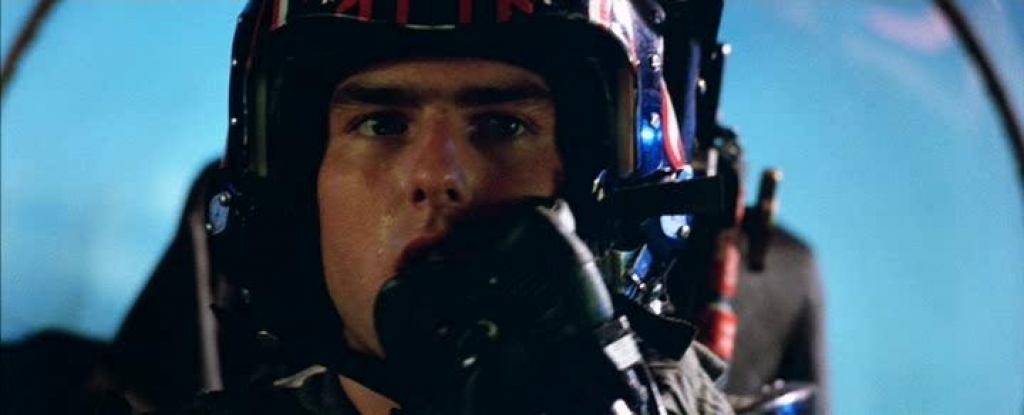
I’m reminded of a line from Top Gun in which Goose exclaims, “Come on, Mav, do some of that pilot shit!”
On the one hand, it’s not a particularly useful bit of advice. The pilot is well aware of a need to do some of what it is he does and needs no additional encouragement. The problem is making a choice under the worst kind of stress–when making the wrong one will get you dead.
On the other hand, it’s a perfectly understandable thing for Goose to say: he’s under stress, too, and perfectly helpless in dealing with the situation.
With respect to bad things happening across the world being shown on Western television screens, Don Snow, my major professor in grad school, coined “the Do-Something Syndrome.” Like Goose, they’re horrified by a situation and want America to do something–anything–to fix it. Naturally, that “something” is often coming to the rescue with our powerful military.
The problem, even aside from niceties like national sovereignty, the rule of law, and regional spillover effects, is that military force is very seldom the ideal tool to deal with the situation at hand. In the particular case of Syria, it’s not at all clear what form intervention would take. We could set up a no-fly zone but, since the problem is ground action not aerial attacks, what would be the point? We could set up aerial patrols and take out bad guys shooting at civilians–but we’d probably kill as many civilians as we’d save. We could send in ground forces. But to do what? A regime change? And then what? As we’ve seen recently, taking out a Ba’athist regime doesn’t necessarily mean the end to violence.
Exum adds,
A broader problem here, as I was discussing with both Adam Elkus and Robert Caruso, is that regional specialists rarely understand military capabilities and options well enough to make an argument for or against, and those who understand military capabilities and options rarely understand the regional dynamics well enough to make an argument for or against.
This is indeed problematic. I’m a former Army officer with a PhD specializing in national security policy and some 25 years experience in the field. I’ve got a reasonable clue about the nature of the military problem from both the 10,000 feet and the platoon view. But I’ve got only a tangential understanding of the nature of the opposition forces in Syria or the dynamics likely to play out if all the al-Assads were suddenly terminated.