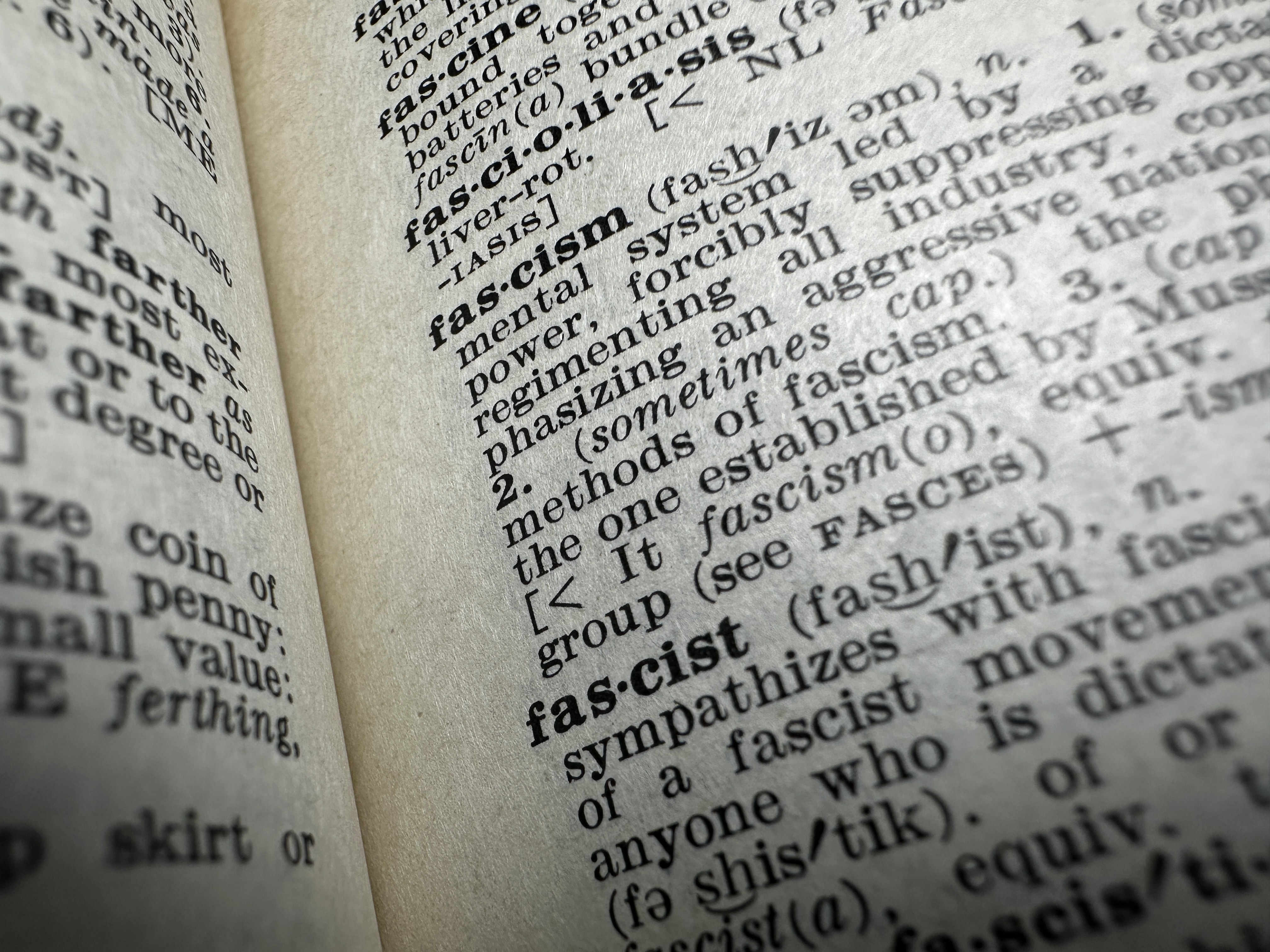
Oliver Kamm declares himself “an enemy of Wikipedia” because its “purpose is to secure consensus rather than accuracy.” Norm Geras demurs:
This is a metaphysical rather than practical objection. In matters of information, of truth and falsehood, I, too, am for accuracy. But when I go to Wikipedia I am not doing philosophy, I am not researching a scientific paper, I am not seeking medical advice for a desperately ill person that I will then get him or her to act upon, and I am not figuring out how to construct a bridge over which millions of tons of traffic are to pass. I am mostly trying to get a quick answer to some factual question – such as what is someone’s date of birth, what is the location of a certain town, in what order did Darryl Heimschmarrel write his 15 books, and where is the Droke of Garwinton. Most of the information I get off Wikipedia is accurate. I am at liberty to check anything I doubt, or anything at all.
As with my discussion with Stacy McCain on cultural literacy, I find myself strangely on the populist side.
No, Wikipedia isn’t a scholarly tome or even Encyclopedia Britannica. Then again, my very expensive volumes of the latter are no longer even displayed on valuable bookshelf space, having escaped the rubbish bin only because my visceral self has not caught up to my intellectual self on the matter of sunk costs.
Wikipedia is convenient, incredibly up-to-date, and generally quite good. Only on the most controversial and timely topics is it sometimes wildly inaccurate — and even then for short periods. (See British Conservative Party Edits Wikipedia to Back Brown Claimfor an amusing recent example.)
Photo by Flickr user Todd Mecklem, used under Creative Commons license.