
 Pilots will be allowed to fly while taking the most common antidepressant drugs and those who lied about doing so in the past will be granted limited amnesty.
The government is lifting a 70-year-old ban on letting pilots fly while on antidepressants, citing improvements in the drugs and an unforeseen side effect of the restriction: Depressed pilots kept flying but just kept their conditions secret.
“Our concern is that they haven’t necessarily been candid,” Federal Aviation Administrator Randy Babbitt told reporters in a conference call.
The change in policy, which includes a degree of amnesty for pilots who lied about their diagnosis and treatment on medical certification forms, is aimed in part at clueing the government in on how many pilots suffer from a disease whose symptoms can include thoughts of suicide, FAA officials said.
The National Institute of Mental Health estimates that about 9.5 percent of people 18 and older suffer from a mood disorder. A 2009 study by Columbia University showed that as many as 10 percent of Americans were taking antidepressants. FAA officials assume the percentage is about the same among pilots.
But the agency has no hard numbers because the ban gave pilots a disincentive to report depression or treatment for it. Under the ban, airline and other pilots who suspected they were depressed but wanted or financially needed to fly generally faced a choice: seek no medication for treatment, because doing so would disqualify them, or self-medicate and lie about it on a required medical certification form — a federal crime. Neither, Babbitt said, is acceptable. “We need to change the culture and remove the stigma associated with depression,” Babbitt said. “Pilots should be able to get the medical treatment they need so they can safely perform their duties.”
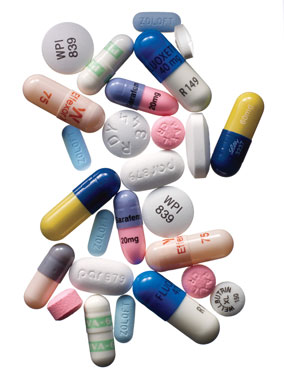
Under the new policy, pilots who take one of four antidepressants — Prozac, Zoloft, Celexa or Lexapro — or their generic equivalents will be allowed to fly if they have been successfully treated by those medications for a year without side effects that could pose a safety hazard in the cockpit. The antidepressants are classified as SSRIs, which help regulate mood.
The old policy was decidedly counterproductive. To the extent that the FAA was testing for these medications, depressed pilots were flying will suffering the symptoms of their disease. Given the nature of their occupation, that strikes me as scary, indeed.
Indeed, I’m reminded of “Don’t Ask, Don’t Tell” in at least two ways. First, longstanding policies based on prejudice are changing well after the targeted behavior has been normalized. Second, the policies weren’t having the desired effect but rather incentivizing people to lie.
Interestingly, I’m not sure the changed policy will solve the second problem. If someone is making their living as a pilot, gets diagnosed with clinical depression, and prescribed an antidepressant, the prospect of sitting out for a year to prove that they’re not suffering from side effects is decidedly unpleasant. Further, unless the pilot feels that the side effects are truly dangerous, they’re strongly incentivized to hide them in order to maintain their livelihood.









